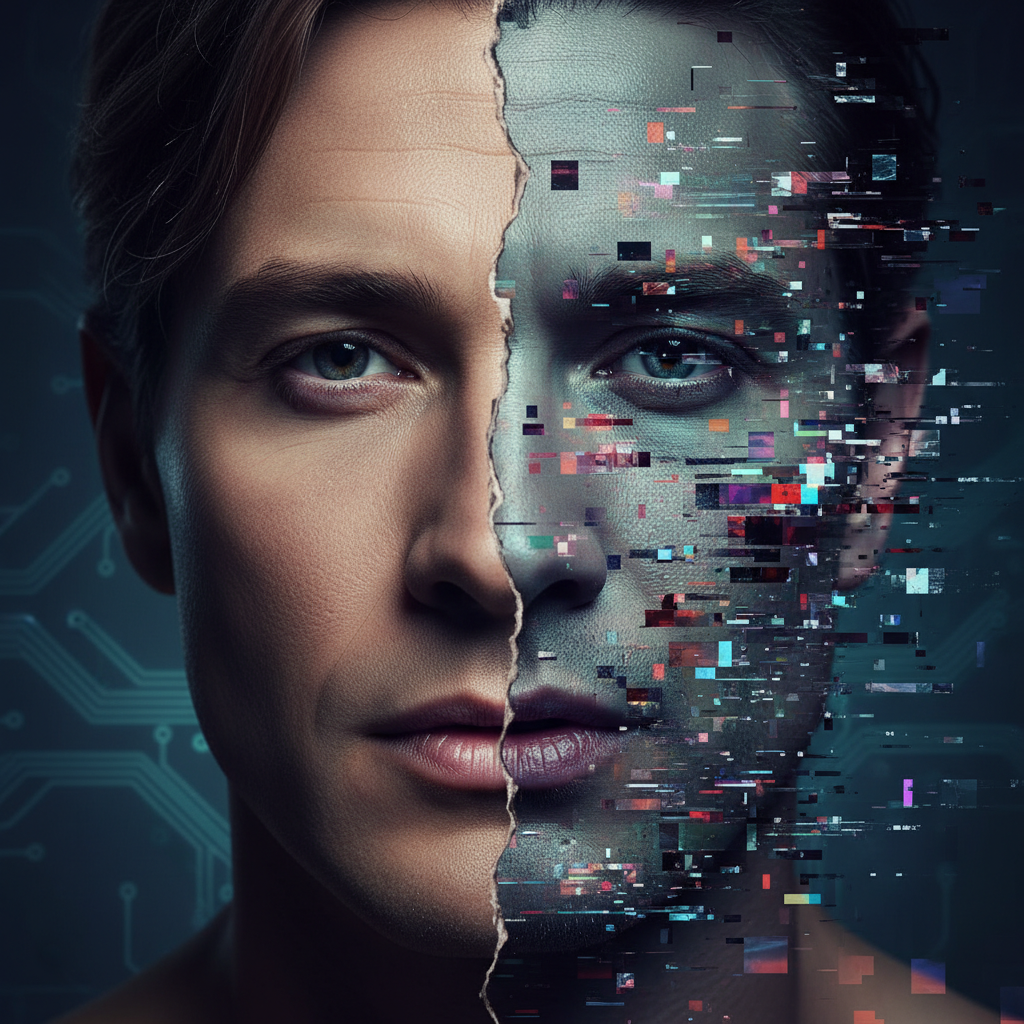
Pop superstar Taylor Swift recently made headlines by filing a trio of trademark applications, a strategic move aimed at protecting her invaluable image and distinctive voice. These filings come at a crucial time, reflecting growing concerns among public figures about the rapid proliferation of sophisticated AI deepfakes and their potential for exploitation.
Among the trademarks is one for a universally recognized photograph of Swift holding a pink guitar during her record-breaking Eras Tour concert. Additionally, she’s seeking protection for two simple yet highly identifiable sound phrases: “Hey, it’s Taylor Swift” and “Hey, it’s Taylor.” Such proactive measures highlight the evolving challenges celebrities face in maintaining control over their digital likenesses.
Protecting a Billion-Dollar Brand in the AI Era
The urgency behind Swift’s actions is palpable, given the current landscape where anyone can become a victim of nonconsensual AI-generated material. Earlier this month, an Ohio man became the first person convicted under a new federal law criminalizing “intimate” visual deceptions of this nature, underscoring the severity of the issue.
For celebrities, the stakes are even higher, as they face risks ranging from explicit deepfakes to false endorsements that can damage their reputation and financial standing. Protecting a brand as massive as Taylor Swift’s, which is valued in the billions, necessitates comprehensive legal strategies against these rapidly advancing threats.
The Alarming Rise of Celebrity Deepfake Scams
A recent report from AI detection company Copyleaks sheds light on the specific ways celebrities are being exploited by scammers. Researchers uncovered a cluster of sponsored videos on TikTok that falsely depicted Swift, Kim Kardashian, Rihanna, and other stars promoting “potentially fraudulent or malicious services.”
These deceptive clips are meticulously crafted, employing “realistic-sounding voices” and “textured filters” to cleverly mask the inherent flaws in AI-generated visuals. The goal is to create a seemingly authentic endorsement that tricks viewers into engaging with harmful schemes.
The fake ads often show these AI-generated celebrities in what appear to be genuine interview settings, such as red carpet events or talk show sets. Instead of answering typical questions, however, they promote supposed rewards programs like “TikTok Pay,” promising users payment for providing feedback on content.
One particularly insidious example features a deepfaked Swift, using manipulated footage from her real appearance on The Tonight Show Starring Jimmy Fallon. This imposter declares, “I was reading about digital behavior this week and came across a testing feature called TikTok Pay,” then encourages viewers to check their eligibility, adding, “If the page opens for you, don’t overthink it.”
Unmasking Sophisticated Online Fraud
The path for users who click on these convincing deepfake ads quickly leads away from TikTok’s official platforms. Despite often featuring TikTok names and logos, these ads funnel users to a third-party service, cleverly “vibe-coded” with the branding of the AI platform Lovable, visible in its URL and on the page itself.
Once on this external site, users are promptly prompted to begin entering their personal information, including their name. While the ultimate intentions behind collecting this data are not always clear, it’s a hallmark of many common online scams designed for identity theft or further illicit activities.
The prevalence of such fraudulent advertisements is a growing concern, impacting millions. Just last week, the nonprofit Consumer Federation of America filed a lawsuit against Meta, alleging that the tech giant misled users about its efforts to combat scam ads on Facebook and Instagram, while reportedly profiting from their proliferation.
Echoing these concerns, the US Federal Trade Commission (FTC) reported a significant surge in social media scams overall. According to their findings, scams originating on Facebook accounted for the highest total financial losses among consumers, highlighting the urgent need for greater digital protection.
It’s clear why celebrities like Taylor Swift are taking decisive legal action to safeguard their identities and distance themselves from this burgeoning fraudulent economy. While Swift hasn’t publicly detailed the precise reasoning for her trademark filings, the immense reputational and financial damage posed by deceitful deepfakes to her brand is undeniable.
The challenge intensifies daily, as the technology behind these AI manipulations becomes increasingly sophisticated and harder to detect. For public figures and everyday internet users alike, understanding and defending against these advanced forms of digital deception has never been more critical.
Source: Wired – AI
