At ZDNET, our commitment is to provide you with the most reliable and insightful advice in the fast-paced world of technology. We understand that trust is paramount, which is why we meticulously test and research products to bring you our honest recommendations. Our editorial integrity is the cornerstone of everything we do.
Our “ZDNET Recommends” badge signifies countless hours of rigorous testing, in-depth research, and extensive comparison shopping. We delve into a wealth of information, from detailed vendor and retailer specifications to insights from other respected independent review sites. Crucially, we also pore over customer reviews to grasp what truly matters to people using these products in their daily lives.
You might notice that when you purchase a product or service through a link on our site, we may earn an affiliate commission. This financial support is vital for funding our work and maintaining the high quality of our content. Rest assured, these commissions never influence our editorial coverage, our ratings, or the price you pay.
Neither ZDNET nor our authors receive direct compensation for these independent reviews. We adhere to strict guidelines that completely insulate our editorial content from advertiser influence. Our unwavering goal is to serve you, our reader, by delivering accurate information and expert advice, empowering you to make the smartest buying decisions for all your tech needs.
The Enduring Appeal of Wearables and Our Latest Test
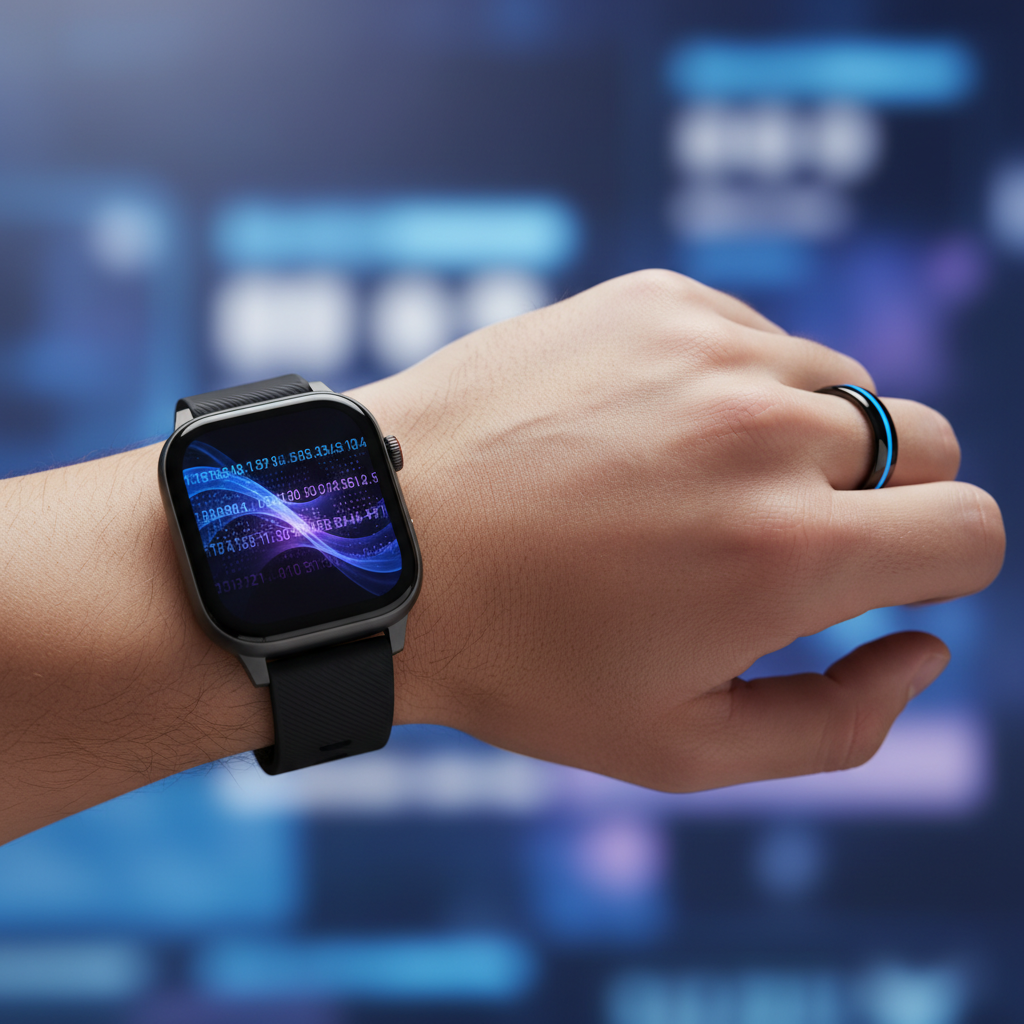
It’s been over a decade since the Fitbit sparked a global obsession with step counting, and our collective drive to hit those daily movement goals remains stronger than ever. Wearable devices offer a practical and powerful way to monitor your activity and ensure you stay active throughout the day. Whether worn on your wrist or as a sleek ring, these gadgets provide constant, gentle nudges to keep you moving, using haptic alerts or dynamic digital dashboards to track your progress.
However, a bigger question often looms: how accurately do these popular step counters truly perform? Companies behind your favorite smartwatches invest millions in research and development, constantly refining their step and calorie tracking algorithms. They aim to capture every stride and integrate it seamlessly into their operating systems.
To put this to the test, I recently took three leading health trackers through their paces. I specifically focused on the Oura Ring, the Apple Watch Series 11, and the Google Pixel Watch 4. My goal was to see if their step-tracking functionality lived up to their claims in a real-world scenario.
Our Real-World Accuracy Test: What We Did
My testing grounds were the scenic paths of Brooklyn’s Prospect Park. I simultaneously recorded walking and running workouts on all three devices, carefully counting 1,000 steps during each trial. Once I reached my 1K target, I stopped the trackers.
I repeated this process twice for walking and once for running, wearing all three devices on the same arm for consistency. It’s important to note that while these trials offer valuable real-world insights, they are not as extensive or scientifically exhaustive as the multi-million-dollar development processes these companies employ. This test is a fun, comparative exercise rather than a definitive scientific study.
During my analysis, I encountered an interesting challenge with data retrieval. While both the Oura Ring and Google Pixel Watch 4 readily display workout-specific step counts after logging an activity, the Apple Watch proved less straightforward. I had to navigate deep into sub-tabs of Apple’s Health app – not even the primary exercise app – to find this crucial information for my logged workouts. This is a feature I hope Apple addresses in future software updates for improved user experience.
The Results Are In: Which Tracker Stepped Up?
Here’s how the devices performed across my three trials:
- On the first walking trial, Oura recorded 909 steps, the Apple Watch recorded 977 steps, and the Google Pixel Watch recorded 964 steps.
- During the running trial, Oura recorded 949 steps, the Google Pixel Watch recorded 1,018 steps, and the Apple Watch recorded 1,091 steps.
- For the final walking trial, Oura recorded 1,013 steps, the Apple Watch recorded 1,092 steps, and the Google Pixel Watch recorded 992 steps.
Based on these three trials, the health tracker with the lowest mean absolute error was the Google Pixel Watch 4, averaging just 18 steps off per trial. The Apple Watch came in second, with an average of 53.3 steps off, and the Oura Ring last, averaging 56.3 steps off. These figures, while not conclusive for all scenarios, certainly show variation in data aggregation among these popular devices.
The Google Pixel Watch 4 consistently recorded the most accurate steps among the three devices during my tests, adding another point to its impressive list of features. I’ve previously praised the Pixel Watch 4, and this quick comparison further highlights its capabilities. The Oura Ring and Apple Watch remain highly competitive devices, and I would still readily recommend them, especially the Oura Ring for those not interested in a full smartwatch experience.
The Oura Ring 4 is particularly renowned as a comprehensive wellness wearable, offering extensive sleep tracking and even illness detection features. While historically not its strongest suit, recent advancements from Oura have significantly improved its step and activity tracking algorithms. Conversely, the Apple Watch Series 11 and Google Pixel Watch 4 are more overtly geared towards activity tracking, with designs that are less discreet for continuous sleep wear. Ultimately, I prefer the Oura Ring 4 for detailed sleep analysis and the Apple Watch or Pixel Watch for robust exercise tracking.
Source: ZDNet – AI
