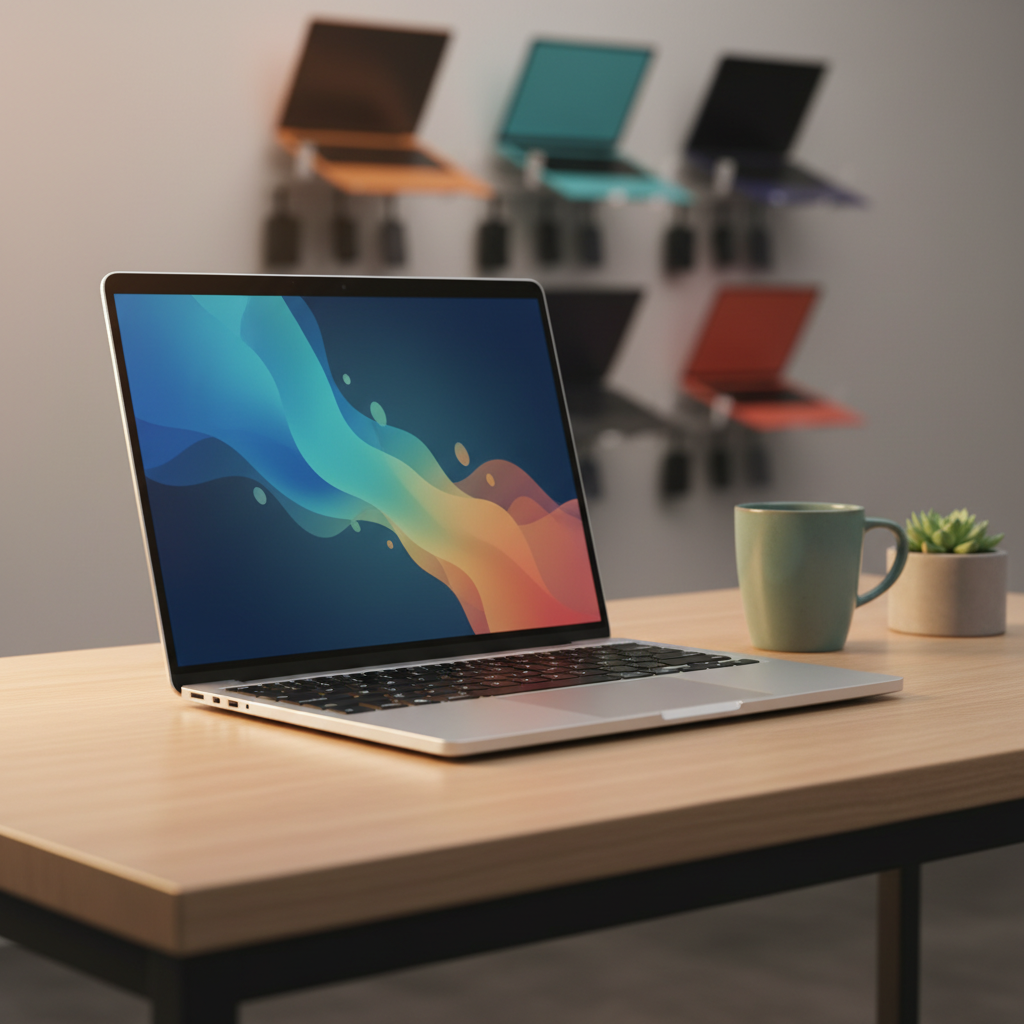
Navigating the bustling world of tech can be tricky, especially when you’re on the hunt for a great deal that doesn’t compromise on quality. That’s why independent testing and expert recommendations are more crucial than ever. At ZDNET, we dedicate countless hours to meticulously researching and testing products, ensuring our advice empowers you to make smarter buying decisions.
Our commitment means we dive deep into vendor and retailer listings, analyze other reputable reviews, and most importantly, pore over customer feedback. We want to understand what truly matters to real people using these products every day. When you see a recommendation from us, you can trust it’s backed by thorough investigation.
Apple’s Game-Changing MacBook Neo
The tech world recently experienced a significant shake-up with the introduction of Apple’s $599 MacBook Neo. This device wasn’t just another laptop; it was a direct challenge to the budget Windows PC market, offering a premium Apple experience at an unprecedented price point. Its arrival has sent ripples through the industry, forcing competitors to rethink what’s possible in affordable computing.
Before the Neo, the low-end of the PC market often felt uninspired, characterized by dull displays, clunky designs, and underwhelming performance. While you generally get what you pay for, the MacBook Neo defied expectations, punching well above its price tag. Since its March 2026 release, it has been flying off shelves, far exceeding Apple’s sales projections and leading to significant backlogs on their official site.
Neo vs. The Windows World: A Closer Look
Apple’s entry into the budget segment has undoubtedly pushed Microsoft and its partners to innovate. We’re already seeing the first wave of Windows PCs attempting to rival the Neo’s value proposition. But how do these competitors truly measure up when placed side-by-side with Apple’s latest marvel?
Traditional PC makers have long settled for certain compromises in this price range, typically opting for lower-resolution displays, less expensive build materials like plastic, and modest processors. This starkly contrasts with the Neo’s more premium approach. Let’s consider the LG Gram Book 15-inch, also priced at $599, which seems like a strong contender on paper.
The Gram Book boasts 8GB of RAM and 512GB of storage, matching the Neo’s specifications. Its Intel Core Ultra 5 115U processor, part of Intel’s 2024 Meteor Lake series, is also comparable to the Neo’s A18 Pro chip from the same year. Furthermore, the Gram Book offers a wider array of ports, including two USB-Cs, two USB-As, an HDMI, a headphone jack, and a lock slot, easily outnumbering the Neo’s more minimalist port selection.
However, the MacBook Neo truly shines in the details. While its display is physically smaller, it features a crisp 2408 x 1506 resolution, significantly sharper than the Gram Book’s 1920 x 1080 FHD panel. The Neo’s all-glass display panel exudes a premium feel, a stark contrast to the Gram Book’s matte screen bordered by plastic bezels. Moreover, the Neo’s elegant aluminum construction feels far more robust and luxurious than the Gram Book’s predominantly plastic chassis.
Beyond hardware, the Neo offers seamless integration for iPhone users, a significant advantage that Windows’ smartphone app struggles to replicate. Features like Messages, FaceTime, Phone Mirroring, and the sheer convenience of AirDrop create an unparalleled unified experience. This ecosystem advantage makes the Neo a particularly compelling choice for those already invested in Apple’s mobile devices.
The Chromebook Challenge: A Different Path
While the MacBook Neo has certainly swayed some Windows users, it’s not the only alternative to Microsoft’s dominant operating system. Google’s ChromeOS offers a distinct, lightweight, and streamlined platform, often powering incredibly affordable devices. We’ve highlighted the Lenovo Chromebook Plus 14 as arguably the closest Chromebook competitor to the Neo, even surpassing it in a few key areas.
The Chromebook Plus 14 impresses with a stunning OLED display, a remarkably lightweight build, and fantastic keyboard and speakers. Its MediaTek Kompanio ARM-based processor delivers fast performance and excellent battery efficiency. However, it typically comes at a higher price point, meaning the Neo still holds the edge in terms of sheer value for money.
ChromeOS, while excellent for web-centric tasks, still has some functional limitations compared to the decades of maturation seen in macOS. Yet, Google is not standing still; rumors of a significant ChromeOS redesign have been circulating for months. This presents a huge opportunity for Google to directly challenge Apple by enhancing Android integrations, unifying the laptop and smartphone experience in a way Windows currently cannot.
Why You Can Trust Our Recommendations
Our goal is to deliver the most accurate information and knowledgeable advice to help you navigate complex tech decisions. Our editorial team rigorously reviews and fact-checks every article to ensure it meets our highest standards of quality and impartiality. If an error is found or misleading information published, we are committed to correcting or clarifying the content promptly.
You might wonder about our revenue model; when you click through our links to a retailer and make a purchase, we may earn affiliate commissions. This helps support our work and independent journalism, but it never influences our coverage, editorial choices, or the price you pay. Our strict guidelines ensure our content remains uninfluenced by advertisers, allowing us to serve you, our reader, with unbiased expert insights.
One thing is clear: the MacBook Neo has undeniably set a new benchmark for budget devices across the board. This renewed competition is excellent news for consumers, promising a future of higher-quality, more feature-rich affordable laptops. We eagerly await to see if Microsoft and its partners can truly rise to the occasion in 2026 and offer devices that can genuinely rival Apple’s king of budget computing.
Source: ZDNet – AI
