At ZDNET, our mission is to empower you with the most reliable and insightful tech advice available. We dedicate countless hours to independent testing, research, and careful comparison shopping, ensuring our recommendations are always based on solid data and real-world experiences. When you see our “ZDNET Recommends” badge, you can trust it’s backed by thorough investigation, including deep dives into customer reviews and expert analysis.
Our commitment to editorial independence means that while we may earn an affiliate commission when you purchase through our links, this never influences our coverage or the price you pay. Our content is written solely with you, our reader, in mind, to help you make smarter buying decisions. With that dedication to accurate information, we bring you crucial news that could impact your upcoming travel plans.
New Flight Rules for Your Portable Chargers
If you’re planning to fly with American Airlines, be aware that new restrictions on portable chargers are now in effect, as of May 1. These updated guidelines impact how passengers can carry and use power banks during their flights. The goal is to enhance safety for everyone on board.
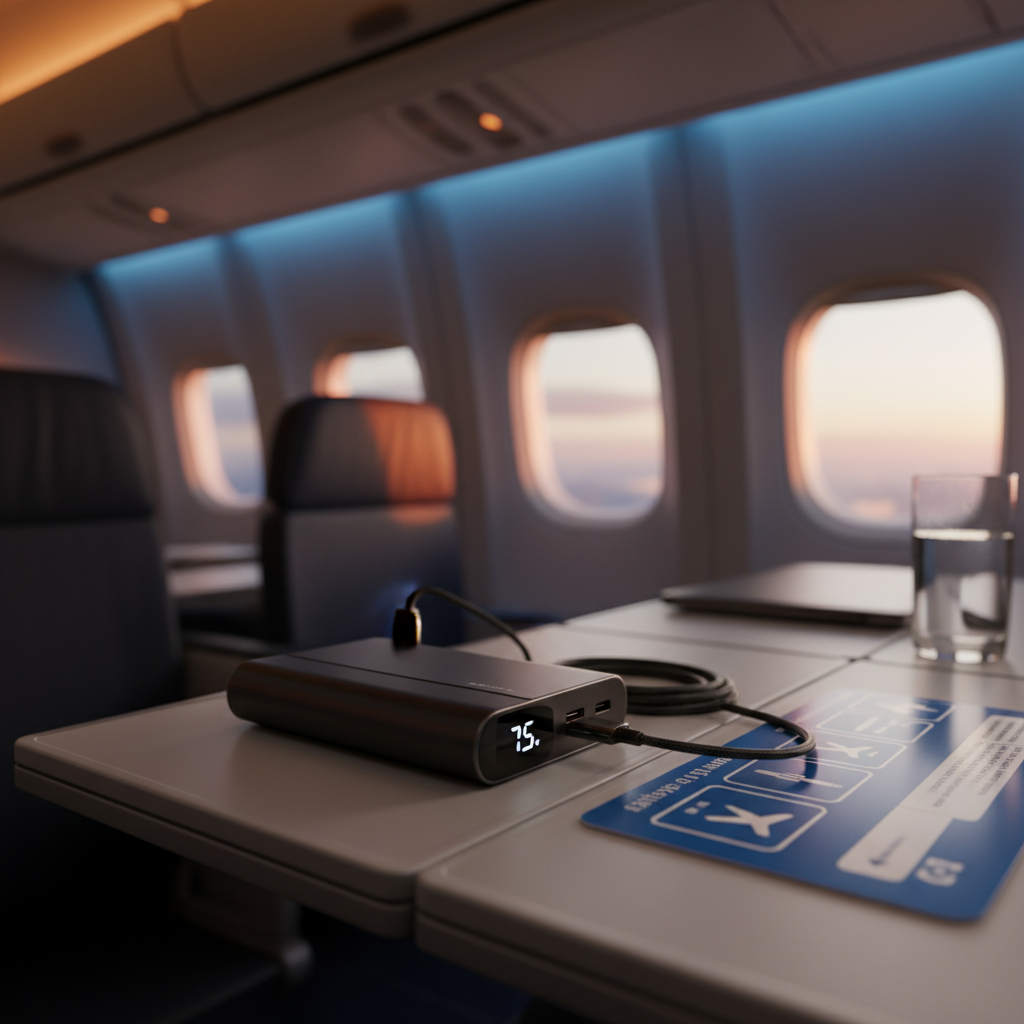
Under American Airlines’ new policy, travelers are permitted to carry a maximum of two power banks. Crucially, these devices must remain visible to airline staff and within your immediate reach while in use or even just stored on the aircraft. You absolutely cannot stow portable chargers in overhead bins, even if they aren’t actively charging another device.
Furthermore, each permitted portable charger must not exceed a 100-watt-hour (Wh) capacity. Beyond keeping them visible and accessible, it’s also important to remember that these portable devices cannot be recharged aboard the aircraft. These stipulations apply to any external power bank you might use for your electronics, as well as smart suitcases featuring built-in, lithium-ion powered charging ports.
Why Airlines Are Cracking Down on Battery Banks
You might wonder why airlines are suddenly implementing these stricter rules, especially since the Transportation Security Administration (TSA) already prohibits lithium batteries in checked luggage. The primary reason is safety, specifically the inherent fire risk associated with lithium-ion batteries. These powerful batteries, which fuel many modern portable chargers, pose a combustion threat if damaged or defective.
With an ever-increasing number of devices and portable chargers accompanying travelers, the potential for a lithium-battery malfunction has grown significantly. While major incidents are rare, the National Business Aviation Association reports that a smoke, fire, or extreme heat incident involving lithium-ion batteries occurs aboard a US aircraft more than once per week on average. These new policies aren’t designed to eradicate all lithium fires but rather to allow for rapid detection and response should an issue arise, mitigating potential hazards before they escalate.
Airlines Adopt Stricter Portable Power Policies
American Airlines isn’t the only carrier to update its stance on in-flight portable charger usage. Last June, Southwest Airlines became the first US-based airline to introduce similar restrictions. Their policy also prevents travelers from tucking plugged-in devices into carry-on or overhead bags, and requires portable chargers to be kept fully in sight when in use.
However, Southwest’s policy permits only one charger per person, making American’s two-charger limit slightly more generous. While these two carriers currently have the most restrictive policies among US airlines, many international airlines have already implemented similar stipulations. If your itinerary includes connecting flights or different carriers, it’s always wise to verify the specific rules for each airline you’ll be flying with.
Travel Smart: What You Need to Know Before You Fly
To ensure a smooth journey, a little preparation goes a long way. Before heading to the airport, always verify your specific airline’s portable power policies, as they can vary and evolve. If you own a “smart” suitcase with an integrated battery, you might consider a more traditional, “dumb” luggage option or ensure the battery is easily removable and complies with all regulations.
It’s also crucial to give your portable power bank a quick inspection. Look for any visible signs of damage, such as tears, frays, or breaks on cords and cables. Any unexplained discoloration or burn marks could indicate heat damage and means the device should not be used. Safety should always be your top priority.
Confirming your power bank’s wattage is another vital step to comply with airline rules. This information is typically printed on the back of the device or readily available through the brand’s website using the model number. Remember, American Airlines specifically limits each charger to under 100-watt-hours.
Finally, since recharging portable batteries mid-flight is prohibited by American Airlines, make sure your devices are fully charged before you board the plane. A quick boost at the gate can save you from a dead phone later. For recommendations on reliable portable power banks, ZDNET experts have compiled a list of their preferred devices, ensuring you travel with safe and efficient charging solutions.
Source: ZDNet – AI
