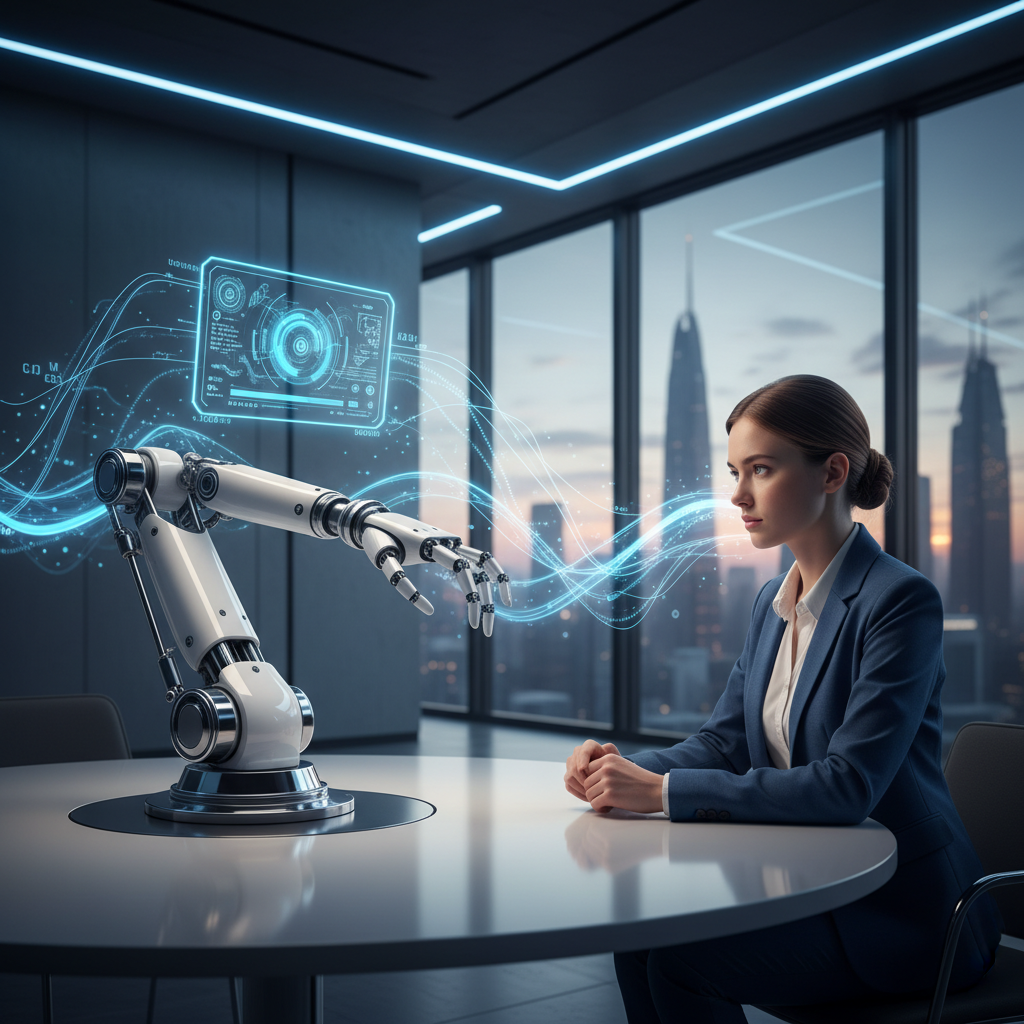
Google, a global tech giant, is making headlines with a pivotal shift in its talent acquisition strategy: allowing Artificial Intelligence (AI) tools in engineering interviews. This groundbreaking decision signals a significant evolution in how the tech industry assesses potential hires. It underscores Google’s commitment to adapting its hiring process to the rapid advancements in technology, ensuring its methods remain relevant and forward-thinking.
This policy change is more than just embracing new technology; it’s a strategic move to better gauge a candidate’s practical problem-solving abilities. By permitting AI assistance, Google aims to assess how well prospective engineers leverage powerful digital aids to enhance their coding efficiency and accuracy. The move fundamentally redefines what it means to be a top engineering candidate in the age of AI.
Embracing the Modern Engineering Landscape
The engineering landscape has transformed dramatically, with AI-powered assistants becoming indispensable tools for developers worldwide. From intelligent code completion and debugging suggestions to automated testing, these aids are deeply integrated into the modern software development lifecycle. Google’s updated interview policy acknowledges this new reality, recognizing that proficiency in using such tools is now a critical skill.
This progressive approach reflects Google’s understanding that real-world engineering thrives on collaboration, not just with human teammates but also with advanced technological tools. By mirroring the actual work environment, the company hopes to identify candidates who are highly adaptable and resourceful. The goal is to hire engineers who can readily leverage every available resource to innovate and deliver effectively.
How AI Tools Will Function in Interviews
While the new policy permits AI use, it comes with clear guidelines to ensure fair and effective evaluation. Candidates will be allowed to use tools like GitHub Copilot or similar AI-powered code assistants during technical assessments. This isn’t a free pass to outsource all intellectual effort, but rather an opportunity to demonstrate how one integrates AI into their workflow to enhance productivity and code quality.
Crucially, the assessment will still focus on the candidate’s understanding of the problem and their problem-solving methodology. Interviewers will be looking for how effectively candidates can prompt, debug, and refine AI outputs, rather than simply accepting them verbatim. This means candidates must still possess a strong foundational knowledge and the capacity for independent critical thought.
It’s important to clarify that this allowance does not extend to using AI for live translation or to completely automate the entire coding process without human input. The emphasis is on augmentation, not replacement. Candidates are expected to explain their thought process and justify their solutions, demonstrating their intellectual ownership and grasp of underlying principles, even when assisted by AI.
Implications for Aspiring Google Engineers
For aspiring Google engineers, this policy change means evolving interview preparation strategies. Beyond rote memorization of algorithms and data structures, candidates will now need to hone their skills in effectively utilizing AI tools. This includes understanding AI’s strengths and limitations, crafting precise prompts, and efficiently debugging or improving AI-generated code.
The new approach places greater emphasis on higher-order problem-solving skills, critical thinking, and the ability to articulate complex ideas. Candidates who can demonstrate a seamless integration of AI into their problem-solving workflow, while still showcasing their fundamental engineering acumen, will likely stand out. It encourages a more holistic display of modern engineering capabilities.
This adjustment could also help reduce interview anxiety by providing candidates with familiar tools that mimic their everyday development environment. By removing the artificial constraint of “no external help,” Google aims to create a more authentic assessment experience. It reflects a growing recognition that true engineering prowess lies in leveraging all available resources smartly.
The Broader Impact on Tech Hiring
Google’s move is likely to set a significant precedent for the wider tech industry. As a major player and trendsetter, its adoption of AI in interviews could prompt other leading companies to re-evaluate their own hiring practices. This ripple effect could accelerate AI tool integration across technical interviews globally, fundamentally reshaping how talent is discovered and assessed.
This paradigm shift underscores a future where human-AI collaboration is not just a desirable trait but a fundamental requirement for success in tech roles. Companies will increasingly seek engineers who are fluent in this collaborative dynamic, viewing it as essential for boosting productivity and innovation. The era of purely unassisted coding challenges may soon become a relic of the past.
However, this transition also presents new challenges. Interviewers will require new training to effectively evaluate AI-assisted candidates, distinguishing genuine understanding from superficial assistance. Ensuring fairness and preventing over-reliance on AI will be critical to maintaining the integrity of the hiring process. The industry must navigate these complexities thoughtfully to fully realize the benefits of this progressive shift.
Ultimately, Google’s decision to permit AI in engineering interviews is a bold and necessary step towards modernizing talent acquisition. It reflects a clear vision for the future of work, where human ingenuity is powerfully amplified by artificial intelligence. This forward-thinking policy ensures Google attracts and retains the most adaptable, innovative, and future-ready engineering talent.
Source: Google News – AI Search
