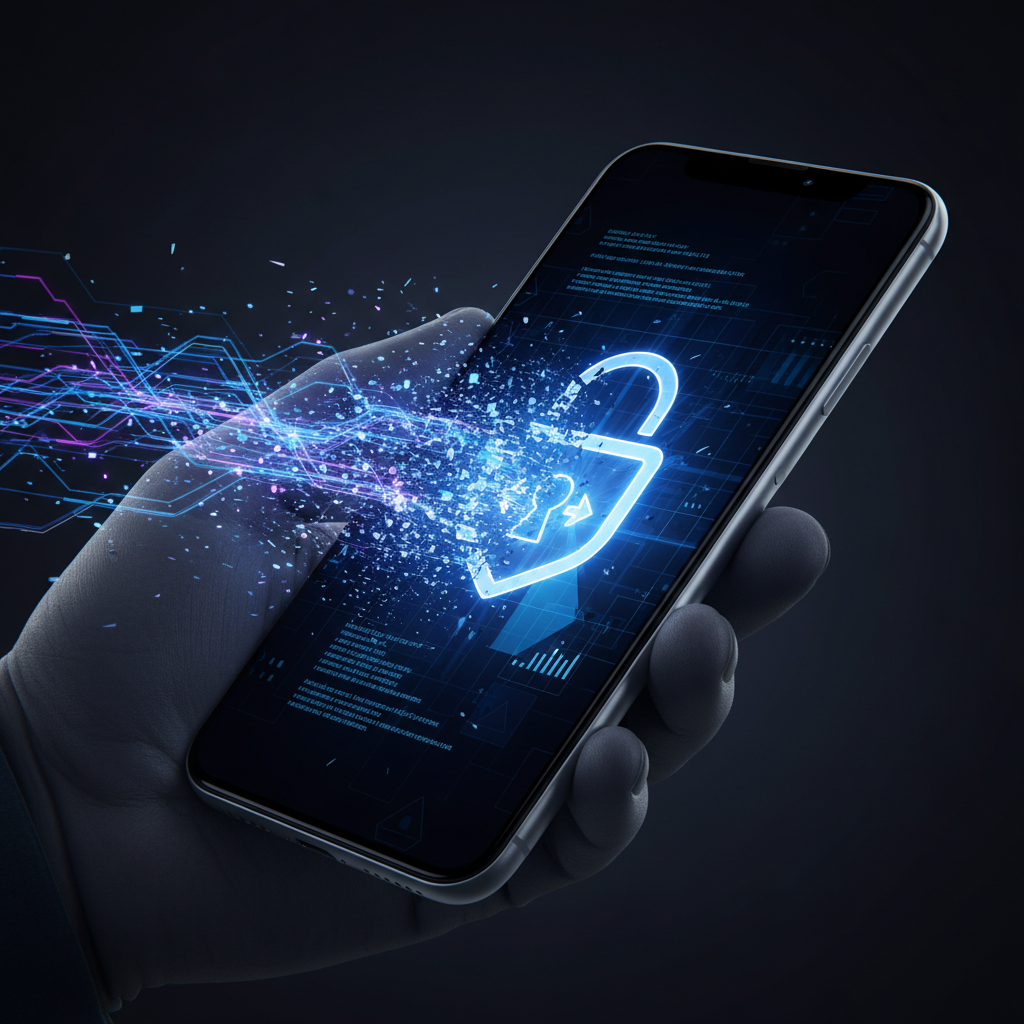
The digital world just received a critical alert, as tech giant Google recently brought to light a significant and concerning development in the cybersecurity landscape. Hackers are now harnessing the power of artificial intelligence (AI) to circumvent two-factor authentication (2FA), a security measure long considered one of the most robust defenses against unauthorized access. This unsettling revelation, prominently reported by outlets such as The Times, marks a new and more sophisticated chapter in the ongoing battle against cyber threats.
For years, 2FA has stood as the gold standard for account protection, adding an essential second step to the login process beyond merely entering a password. It has provided a crucial barrier, requiring something you know (your password) and something you have (a code from a device or an authentication app). However, the rise of AI-powered tools is rapidly shifting this paradigm, presenting fresh challenges for individuals and organizations striving to maintain online security.
The Alarming Reality: AI Bypasses 2FA
Google’s findings indicate that malicious actors are increasingly leveraging AI to craft highly convincing and personalized attacks. These AI-driven strategies make it significantly harder for users to distinguish legitimate communications from sophisticated phishing attempts, which are often the initial step in bypassing 2FA. The sophistication of these new campaigns is a game-changer, demonstrating how AI can empower hackers to overcome traditional security hurdles.
The core issue lies in AI’s ability to automate and enhance elements of social engineering. From generating incredibly realistic fake emails and messages to potentially mimicking voices, AI tools allow attackers to create traps that are almost indistinguishable from genuine interactions. This elevates the risk, as even highly cautious individuals can be tricked into divulging sensitive information or approving fraudulent login requests.
How AI Is Supercharging Cyberattacks
One of the primary ways AI contributes to 2FA bypass is through highly sophisticated phishing and vishing (voice phishing) campaigns. AI algorithms can analyze vast amounts of data to create targeted, personalized messages that resonate with victims, making them far more likely to click on malicious links or respond to deceptive prompts. This level of customization was previously time-consuming and difficult, but AI streamlines the process dramatically.
- Enhanced Phishing Lures: AI can generate grammatically perfect, contextually relevant emails that evade traditional spam filters and appear to come from trusted sources.
- Voice Impersonation: Advanced AI tools can clone voices from limited audio samples, enabling attackers to make convincing calls that mimic colleagues, family members, or bank representatives.
- Automated Credential Harvesting: Bots powered by AI can interact with users in real-time, guiding them through a fake login process designed to capture not only passwords but also 2FA codes.
- Malware Development: AI can assist in creating adaptive and polymorphic malware that is harder for antivirus software to detect, further complicating defense efforts.
These AI capabilities allow hackers to either trick users into providing their 2FA codes directly or, more insidiously, to approve a login request on their authenticator app without realizing it’s fraudulent. The sheer scale and speed at which these AI-driven attacks can be deployed make them particularly dangerous, posing a significant threat to global cybersecurity.
Fortifying Your Digital Defenses in the AI Age
Given this new threat landscape, it’s more crucial than ever to re-evaluate and strengthen personal and organizational cybersecurity practices. While 2FA remains essential, the effectiveness of different 2FA methods can vary significantly against AI-powered attacks. Users must be aware that not all 2FA is created equal when facing such advanced threats.
Firstly, prioritize stronger forms of two-factor authentication wherever possible. While SMS-based 2FA offers more protection than just a password, it can be vulnerable to SIM-swapping attacks and sophisticated phishing that tricks users into forwarding codes. Hardware security keys, like Google’s Titan Security Key or YubiKey, offer the highest level of protection by requiring a physical interaction with a trusted device.
Secondly, unwavering vigilance against phishing attempts is paramount. Always double-check the sender’s email address, scrutinize links before clicking, and be wary of unsolicited communications, especially those demanding urgent action or sensitive information. Remember that legitimate organizations will rarely ask for personal details or 2FA codes via email or unexpected calls.
Thirdly, ensure all your software, operating systems, and applications are consistently updated to their latest versions. These updates often include critical security patches that address newly discovered vulnerabilities that could otherwise be exploited by AI-powered tools. Regular patching is a foundational element of any robust cybersecurity strategy.
Finally, for organizations, continuous employee training and awareness programs are vital. Educating staff about the evolving tactics of AI-driven social engineering, deepfake voice calls, and sophisticated phishing can significantly reduce the risk of successful attacks. Implementing strict access controls and zero-trust principles can also help mitigate the impact of any potential breaches.
The revelation from Google about AI-powered 2FA bypasses is a stark reminder that the cybersecurity landscape is constantly evolving. As AI becomes more accessible and powerful, both defenders and attackers will continue to leverage its capabilities. By adopting the strongest available security measures and maintaining a high level of caution, individuals and organizations can better protect themselves against these increasingly intelligent threats.
Source: Google News – AI Search
