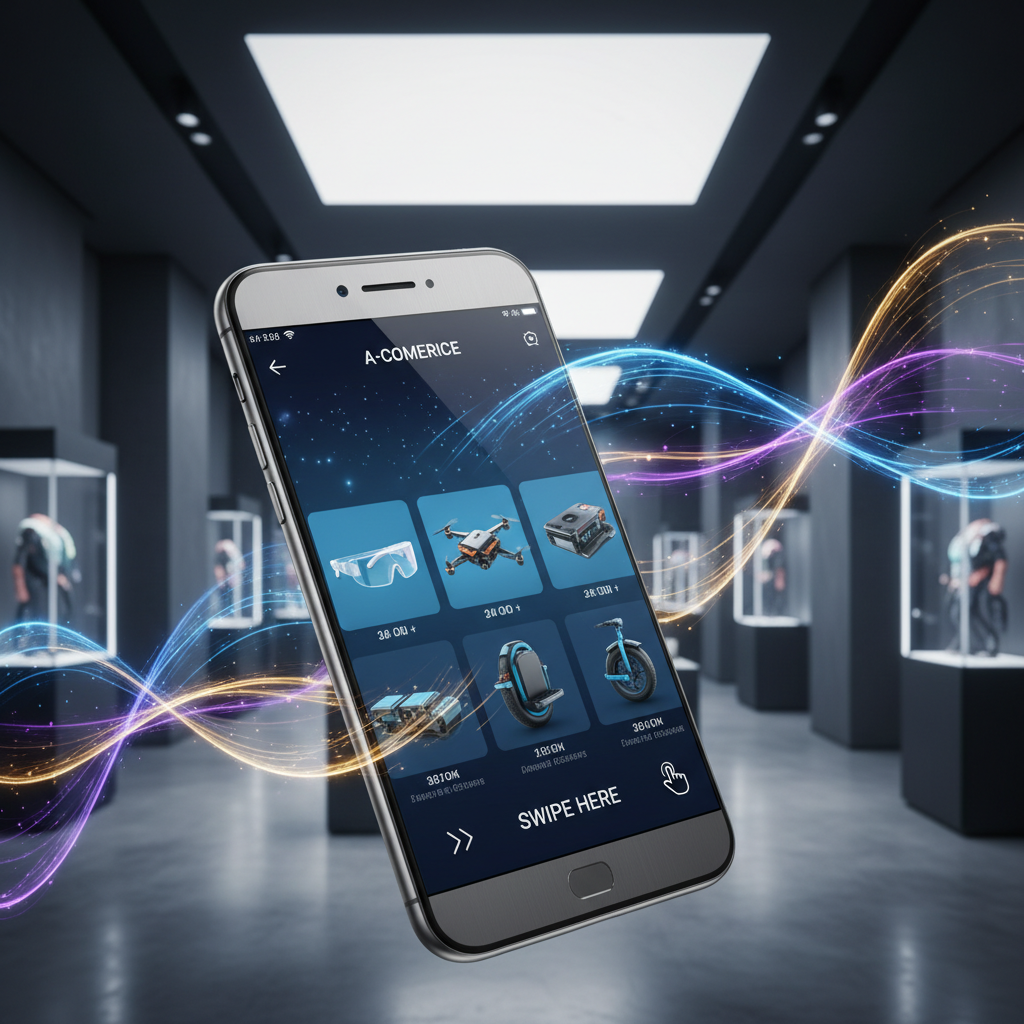
Google is continually reshaping the online shopping landscape, and their latest innovation, AI Mode Shopping Ads featuring swipeable product carousels, marks a significant leap forward. This new format isn’t just about presenting products; it’s about crafting a more intuitive, visually rich, and personalized discovery experience for consumers. For retailers, understanding this evolution is crucial to staying competitive and connecting with potential buyers in meaningful ways.
The introduction of AI Mode Shopping Ads reflects Google’s commitment to leveraging artificial intelligence to anticipate user needs and streamline the path to purchase. This shift moves beyond traditional keyword-based searches, embracing a more dynamic and engaging interaction. It’s about making product discovery feel less like a hunt and more like a curated browsing session.
What Are Google AI Mode Shopping Ads and Swipeable Carousels?
Imagine browsing for a new gadget or a perfect outfit, not by typing in precise keywords, but by engaging with a stream of visually appealing products tailored just for you. That’s the essence of Google AI Mode Shopping Ads. These new ads appear within Google’s AI-powered search experience, offering a highly personalized product showcase.
At the heart of this experience are the swipeable product carousels. Instead of static images, users can effortlessly swipe through a collection of related products, much like browsing social media feeds. This interactive format encourages exploration and allows shoppers to quickly compare options, discover alternatives, and engage with items that truly catch their eye.
Google’s AI works behind the scenes to power this personalization, understanding not just explicit search queries but also implied intent, past browsing behavior, and even visual cues. This intelligence ensures that the products displayed in these carousels are highly relevant to the individual shopper, dramatically increasing the likelihood of engagement and conversion.
The Power of AI in Product Discovery
The magic behind these captivating carousels lies squarely with Google’s advanced artificial intelligence. It’s not just matching keywords anymore; the AI analyzes a vast array of signals to predict what a user might be interested in, even before they explicitly search for it. This deep understanding of user intent drives the hyper-personalization seen in AI Mode Shopping Ads.
Think of it as having a personal shopping assistant who knows your style, preferences, and even your budget without you having to spell it out. The AI dynamically curates product collections, presenting items in a visually compelling sequence that encourages further interaction. This intelligent curation fosters genuine product discovery, moving users smoothly from casual browsing to informed decision-making.
This AI-driven approach ultimately elevates the user experience, making online shopping feel more intuitive, engaging, and less overwhelming. For retailers, it presents an unprecedented opportunity to put their products in front of highly qualified, receptive audiences at precisely the right moment in their shopping journey.
What Retailers Should Do Next to Thrive
The introduction of Google AI Mode Shopping Ads with swipeable carousels is a clear signal: the future of online retail is increasingly visual, interactive, and AI-driven. Retailers who embrace these changes proactively will be best positioned to capture market share. Here’s a strategic roadmap for adapting and excelling:
The absolute foundation for success in this new environment is impeccable product feed optimization. Your product data is the fuel for Google’s AI, and it needs to be rich, accurate, and comprehensive. Prioritize these areas:
- High-Quality Images: Invest in professional, diverse imagery. This includes clear product shots from multiple angles, lifestyle images showing the product in use, and even video snippets where possible. Visual appeal is paramount in a swipeable carousel.
- Rich Product Descriptions: Go beyond basic titles. Provide detailed attributes like color, size, material, brand, unique features, and compatibility. The more data points, the better Google’s AI can understand and match your products to relevant users.
- Accurate Pricing and Availability: Ensure your product feed is always up-to-date with correct prices, stock levels, and shipping information. Inconsistent data can lead to a poor user experience and wasted ad spend.
- Consistent Product Data: Maintain uniformity across all your product attributes. Standardized data helps the AI categorize and present your products effectively alongside competitors.
Beyond feed optimization, retailers must also focus on their broader competitive strategy. The AI will surface the best options, so ensure your offerings stand out. This means competitive pricing, excellent customer reviews, and a smooth checkout process are more critical than ever.
Finally, embrace a culture of experimentation and data analysis. Monitor the performance of your AI Mode Shopping Ads closely, analyze user engagement with your carousels, and iterate on your product visuals and descriptions. Staying agile and responsive to performance metrics will be key to unlocking the full potential of these powerful new ad formats.
Google’s AI Mode Shopping Ads represent a significant evolution in how consumers discover and interact with products online. By focusing on robust product data, compelling visuals, and a customer-centric approach, retailers can transform this innovation into a powerful engine for growth. The future of shopping is here, and it’s time to swipe right on opportunity.
Source: Google News – AI Search
