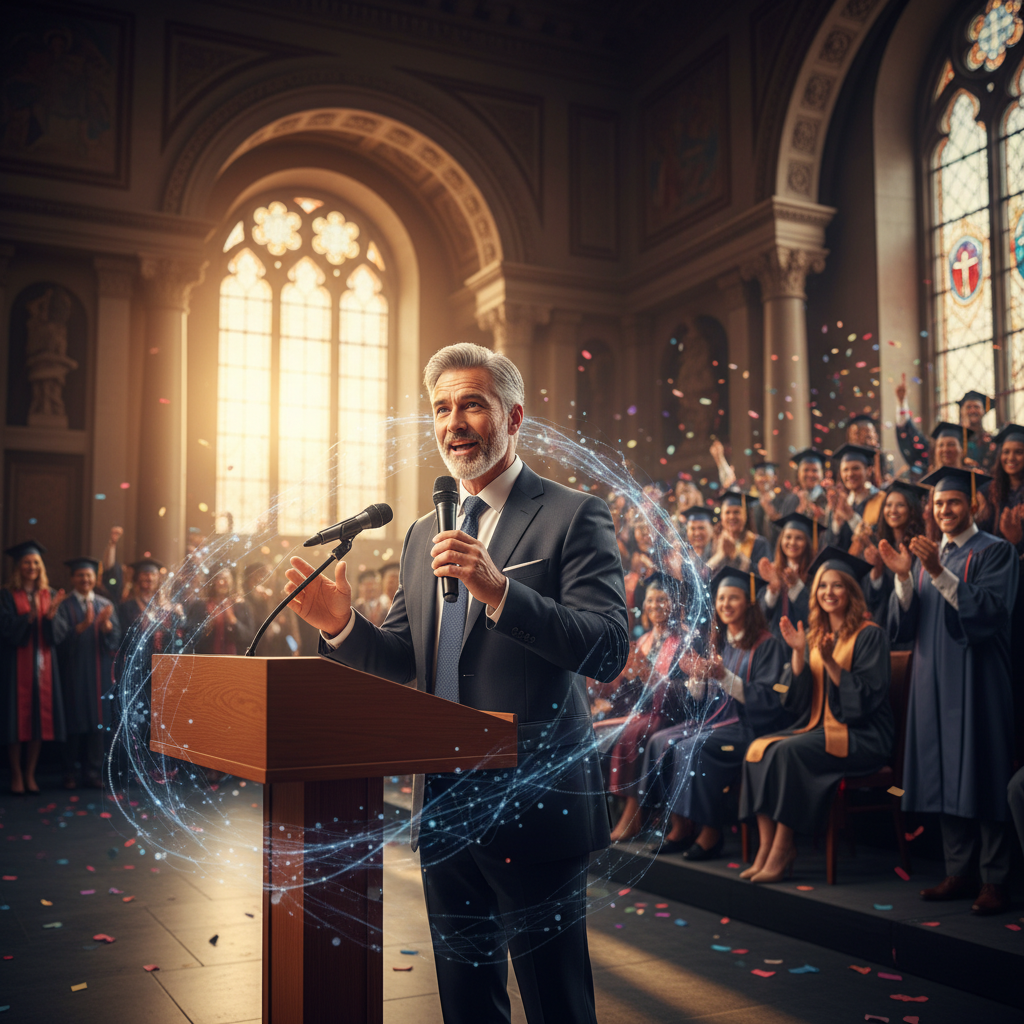
Graduation ceremonies are typically moments of joyous celebration, filled with proud families, inspiring speeches, and the promise of a bright future. However, for the graduating class of University of California, Santa Cruz (UCSC) on June 15, 2024, their commencement took an unexpected turn, becoming a focal point for the intensifying public debate surrounding artificial intelligence. The guest of honor, former Google CEO and Executive Chairman Eric Schmidt, delivered a speech that, instead of rousing cheers, was met with a chorus of boos and palpable dissent from the very students he aimed to inspire.
Schmidt, a titan of the tech world, took to the podium to champion the transformative potential of AI, painting a picture of innovation and progress. He emphasized how artificial intelligence would revolutionize industries, solve complex problems, and usher in a new era of human capability. Yet, his optimistic vision starkly contrasted with the anxieties simmering within the graduating class, many of whom are grappling with the imminent impact of AI on their chosen career paths and creative fields.
When Silicon Valley Met Skepticism
The reception to Schmidt’s glowing assessment of AI was anything but enthusiastic. As he elaborated on the technology’s boundless prospects, the academic stadium echoed not with applause, but with a growing wave of boos and catcalls. This wasn’t merely a small pocket of dissent; it was a widespread, audible rejection of the narrative presented by one of AI’s most prominent proponents.
The strong reaction from the UCSC graduates highlights a significant generational and ideological chasm. While Silicon Valley often views AI as an unstoppable force for good, many students, particularly in fields like arts, humanities, and even certain tech sectors, harbor deep concerns. They worry about job displacement, the ethical implications of AI development, and the potential for a future where human creativity and labor are devalued.
UCSC, known for its progressive student body and strong emphasis on social justice and environmental activism, provided a particularly fertile ground for this skepticism. Graduates arriving from diverse disciplines, from the sciences to the arts, collectively voiced their apprehensions. This wasn’t just about a technology; it was about the power dynamics and the perceived lack of accountability within the tech industry.
The Rising Tide of AI Anxiety
The boos directed at Eric Schmidt weren’t just a spontaneous outburst; they represent a growing sentiment among young people. Many in the graduating class are entering a workforce already feeling the tremors of AI’s influence, with headlines frequently discussing how AI might automate tasks once performed by humans. This practical concern often overshadows the abstract benefits touted by tech leaders.
Moreover, ethical considerations surrounding AI are increasingly at the forefront of public discourse. Students are acutely aware of the potential for algorithmic bias, privacy intrusions, and the misuse of AI in areas like surveillance and deepfakes. These anxieties, combined with a sense of helplessness against the rapid pace of technological change, fueled the passionate protest at the commencement.
The incident at UCSC serves as a stark reminder that the narrative around AI is far from universally accepted. While some see a utopian future, others envision a landscape fraught with challenges and ethical dilemmas. This dichotomy underscores the urgent need for a more inclusive and empathetic dialogue about AI’s development and integration into society.
Beyond the Boos: What Does it Mean?
The dramatic scene at UCSC signals a crucial shift in public perception, especially among the younger generation who will inherit and shape the future of AI. It suggests that merely presenting AI as an inevitable good without addressing legitimate concerns will no longer suffice. Tech leaders and policymakers must engage more deeply with public fears and actively work towards solutions that prioritize human well-being and ethical considerations.
This event also underscores several key areas of concern that require immediate attention:
- Job Displacement: Clear strategies and support systems are needed for workers whose livelihoods may be impacted by AI automation.
- Ethical Frameworks: Robust regulatory and ethical guidelines must be established to ensure AI is developed and deployed responsibly.
- Transparency and Accountability: Increased transparency in AI algorithms and clear accountability for their impacts are essential to build public trust.
- Education and Dialogue: Fostering open, honest conversations between tech innovators, the public, and policymakers is crucial for navigating AI’s complex future.
Ultimately, Eric Schmidt’s experience at UCSC was more than just a momentary embarrassment; it was a powerful statement. It highlighted the widening gap between the tech industry’s vision of an AI-driven future and the deeply felt anxieties of those who will live in it. Moving forward, the success of AI may not hinge solely on its technological advancements, but equally on its ability to genuinely address and alleviate the concerns of humanity.
Source: Google News – AI Search
