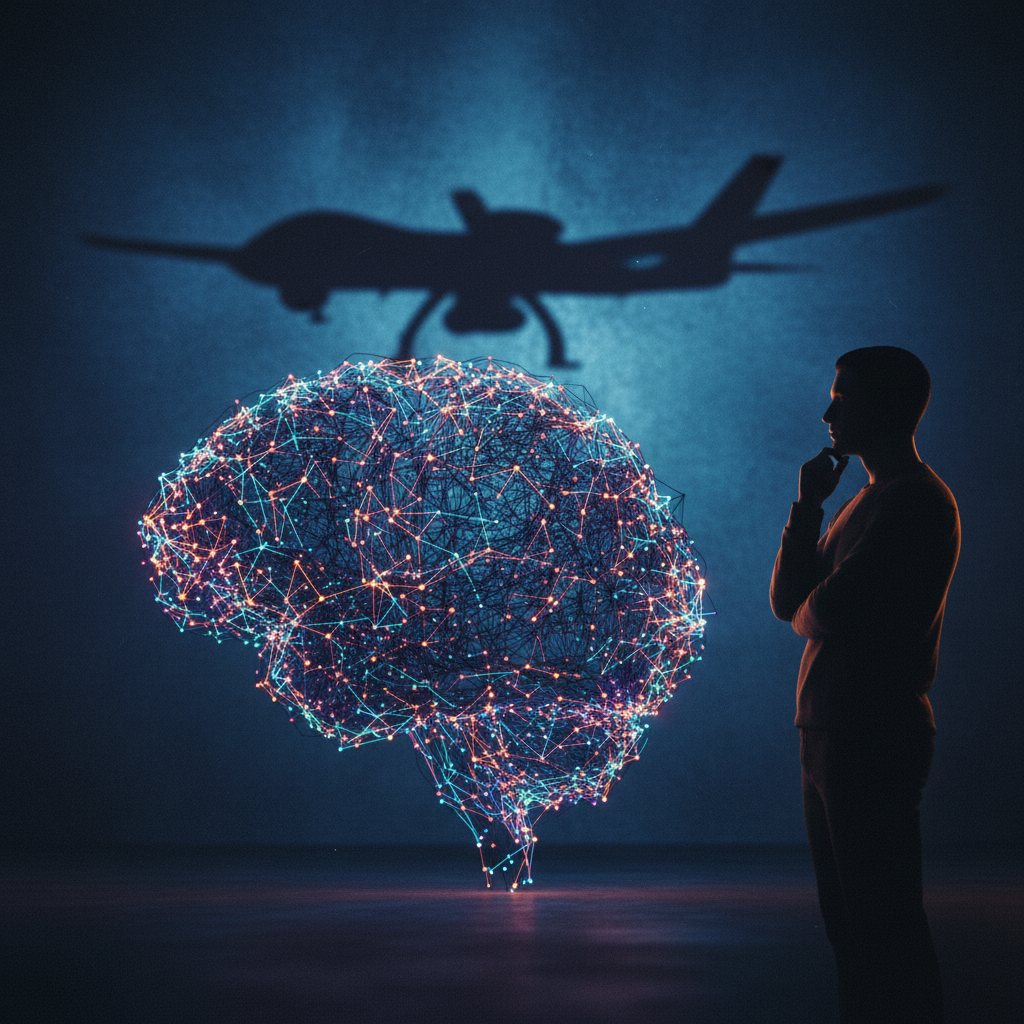
A significant development is unfolding within the hallowed halls of artificial intelligence, as Google DeepMind finds itself engaged in crucial discussions with UK unions. These talks have been prompted by growing staff apprehension regarding the application of AI technologies, particularly in military and surveillance contexts by nations like the United States and Israel.
This situation underscores an increasingly vital ethical debate at the heart of the tech industry, highlighting the moral compass employees expect their innovations to follow. As AI capabilities rapidly expand, the line between transformative technology and potential misuse becomes ever more blurred, placing immense pressure on developers and their corporate leaders.
Ethical Crossroads: DeepMind and Military AI Concerns
The core of the staff’s concern revolves around the potential for Google DeepMind’s advanced artificial intelligence technologies to be deployed in ways that employees deem ethically problematic. Specifically, the reported involvement of US and Israeli military or intelligence agencies in utilizing AI has ignited fears among the workforce.
These concerns aren’t new in the tech world; the debate over responsible AI and its military applications has been ongoing for years. However, the direct engagement between DeepMind employees, through their unions, and management marks a significant escalation, pushing ethical considerations firmly onto the corporate agenda.
Employees in the tech sector, particularly those at the forefront of AI innovation, are often driven by a desire to create technology that benefits humanity. When they perceive their work could be contributing to conflict, surveillance, or actions that violate human rights, it creates a profound moral conflict.
The very nature of AI, with its potential for autonomous decision-making and pattern recognition, raises serious questions when integrated into defense systems. Staff members are rightly scrutinizing how their contributions might be used, fearing potential complicity in applications that could have severe geopolitical and humanitarian consequences.
The Growing Influence of Tech Unions
The involvement of UK unions in these discussions highlights a broader trend of increasing labor organization within the tech industry. Historically resistant to unionization, tech giants are now facing organized employee demands for better working conditions, greater transparency, and, crucially, ethical accountability.
Unions serve as a collective voice for employees, empowering them to address complex issues that individual workers might feel powerless to tackle alone. In this instance, they are acting as vital advocates for the moral and ethical concerns of Google DeepMind staff, ensuring their voices are heard at the highest levels of management.
This engagement signals a maturing understanding of employee rights within the tech sector, extending beyond traditional pay and benefits to encompass ethical governance and the societal impact of technology. It sets an important precedent for how tech companies, especially those dealing with powerful AI, might interact with their workforce in the future.
The discussions could lead to concrete policy changes within Google DeepMind regarding how its AI is developed, sold, and monitored for misuse. This collective action demonstrates the growing power of organized labor to shape corporate ethics in an era dominated by technological advancements.
Navigating Responsibility in the Age of AI
For Google DeepMind, these talks present both a challenge and an opportunity to reaffirm its commitment to responsible AI development. The company must navigate the delicate balance between fostering innovation and ensuring its technologies are used in alignment with ethical principles.
Addressing these staff concerns proactively is crucial for maintaining employee morale, attracting top talent, and preserving its reputation as a leader in ethical AI. Failing to do so could lead to increased dissent, talent drain, and reputational damage in an increasingly scrutinized industry.
The outcome of these discussions could have far-reaching implications, potentially influencing how other major tech companies approach the ethical deployment of AI. It underscores the urgent need for robust frameworks and transparent policies governing the use of artificial intelligence, particularly in sensitive sectors like defense.
Ultimately, this situation at Google DeepMind reflects a critical juncture for the entire AI industry. It’s a powerful reminder that technological progress must always be tempered with profound ethical consideration and a commitment to human values, ensuring that innovation truly serves the greater good.
Source: Google News – AI Search
