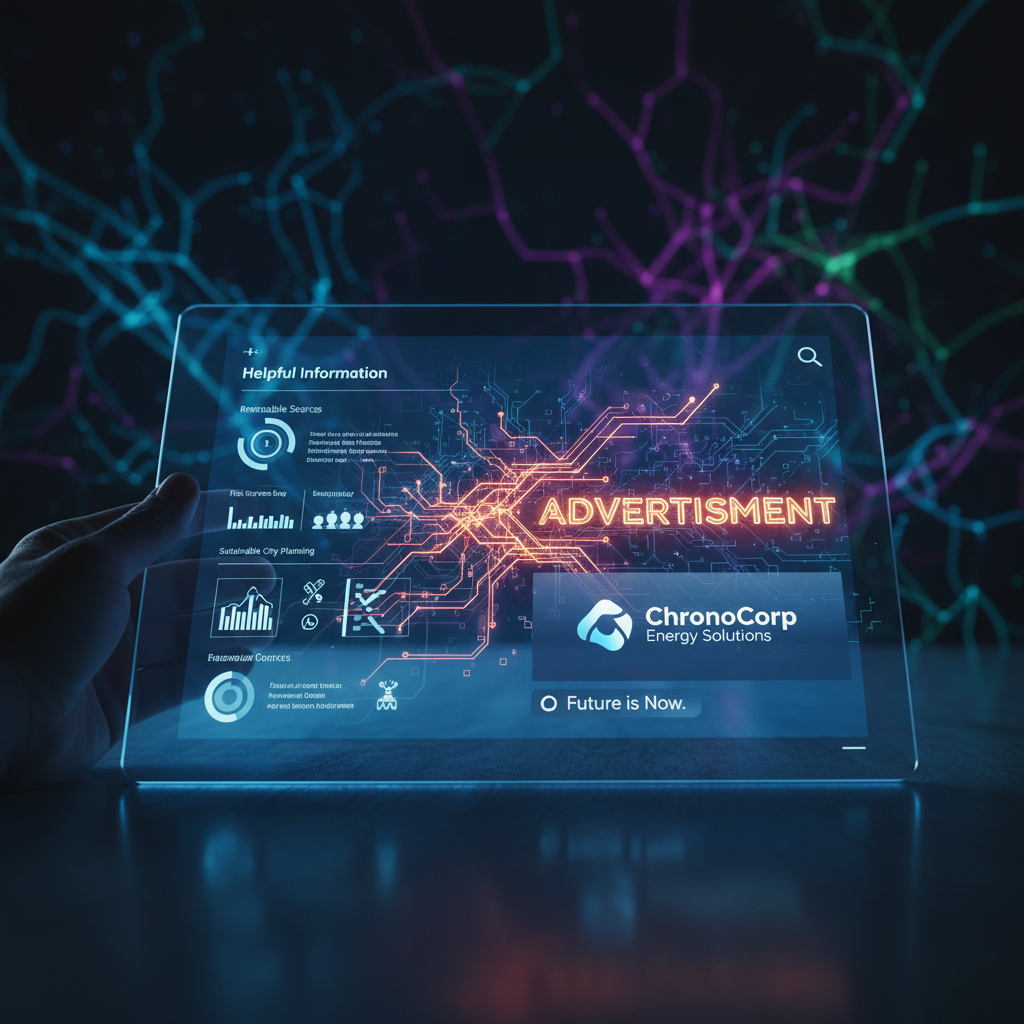
Google is rolling out a significant evolution in its search advertising, introducing new AI-powered ad formats that are designed to blend seamlessly with search results. This isn’t just a minor tweak; these ads are crafted to appear as highly helpful, contextually relevant answers directly within the search experience. It marks a pivotal shift in how paid content is presented, potentially blurring the lines between what’s an advertisement and what’s an organic, AI-generated response.
The Rise of AI-Powered Search Ads
At the heart of this change is Google’s continuous integration of artificial intelligence into its core search engine, most notably with its Search Generative Experience (SGE). Rather than simply showing traditional text links, SGE aims to provide comprehensive, AI-generated summaries and answers to user queries. Now, Google is leveraging this same technology to deliver advertisements that mimic these helpful, synthesized responses.
These new ads aren’t just placed *around* AI answers; they are designed to be the answers, or at least a significant part of them. They can appear as sponsored links or product carousels that feel incredibly natural within the AI-generated overview, making them less distinguishable from non-paid content. For users, this means a more integrated, yet potentially more ambiguous, search experience.
Unlike traditional ads that often sit at the top or bottom of a page with clear “Ad” labels, these AI search ads are crafted to blend directly into the conversational flow. They might offer a “solution” to a problem, a “recommendation” for a product, or even a “summary” of services, all powered by AI. The visual cues differentiating them from organic content are becoming increasingly subtle, requiring users to pay closer attention.
Think of it this way: instead of seeing a sponsored link for “best blenders,” you might see an AI-generated paragraph that conveniently includes a link to a sponsored blender model within its helpful advice. This design choice elevates the prominence of paid content, giving it an air of authority that might otherwise be reserved for editorial or organic results. It’s a sophisticated evolution of native advertising for the AI era.
Blurring Lines and Transparency Concerns
The primary concern arising from this new ad format is the potential for diminished transparency. When ads are indistinguishable from genuine AI-generated answers, users might inadvertently perceive them as unbiased, editorially vetted information. This could lead to an erosion of trust in Google’s search results over time, as the line between impartial information and paid promotion becomes increasingly vague.
While Google insists on clear labeling for all paid content, the effectiveness of these labels when embedded deeply within AI summaries remains a critical question. Users scanning for quick answers may overlook small disclaimers, especially if the ad content itself is genuinely useful. The ethical implications of such design choices are a significant talking point among consumer advocates and digital transparency organizations.
For Google, this move is likely an effort to monetize its significant investment in AI research and development. As search behavior shifts towards more conversational, AI-driven queries, traditional ad placements might become less effective. By integrating ads directly into the generative experience, Google ensures its revenue streams adapt alongside user habits, but this comes with a responsibility to maintain clarity for its users.
Implications for Businesses and SEO
This paradigm shift presents both challenges and opportunities for businesses and marketers. Advertisers now have a chance to get their products and services featured directly within AI-generated answers, potentially capturing user attention at a much earlier stage in their decision-making process. Crafting ad copy that sounds like a helpful answer, rather than a direct sales pitch, will become paramount.
However, this also means a tougher landscape for traditional search engine optimization (SEO). If AI answers, which include paid content, occupy prime real estate, organic listings might be pushed further down the page. Businesses relying solely on organic visibility will need to reassess their strategies, possibly increasing their focus on nuanced content marketing or exploring these new AI ad formats.
The imperative for brands will be to create content that is not only keyword-optimized but also genuinely valuable and answer-focused, both for potential AI summarization and for direct advertising. Understanding how Google’s AI determines “helpful” will be key, pushing marketers to think beyond simple keywords and towards comprehensive, user-centric information that the AI can easily digest and present.
Google’s new AI search ads mark an undeniable shift in the digital advertising landscape, reflecting the evolving nature of search itself. While they promise a more integrated and potentially useful experience for users, they also raise important questions about transparency and trust.
Ultimately, the success and acceptance of these AI-powered ads will hinge on Google’s ability to balance innovative monetization with its long-standing commitment to providing a valuable and transparent search experience. The future of search is here, and it’s looking increasingly intelligent, and increasingly paid.
Source: Google News – AI Search
