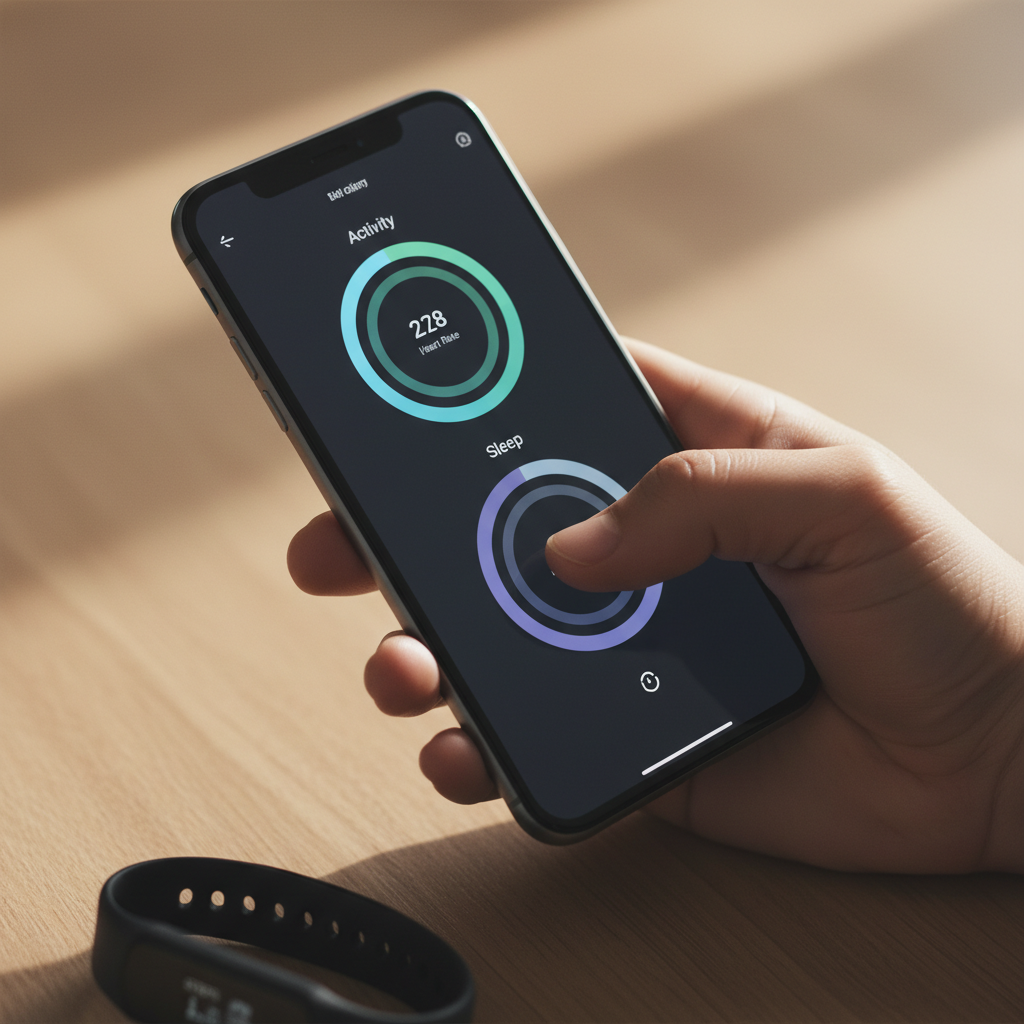
The tech giant Google has officially launched its consolidated health platform, bringing many of its wellness initiatives under one digital roof. However, this much-anticipated arrival has been met with a wave of mixed reactions, particularly from a loyal segment of users: long-time Fitbit enthusiasts. While Google aims for a unified experience, a significant portion of the community is vocalizing a preference for the simplicity and familiarity of the old Fitbit application.
For years, Fitbit established itself as a pioneer in wearable health tracking, building a dedicated user base through its intuitive app, engaging community features, and straightforward data presentation. Users valued its focus on essential metrics like steps, sleep, and activity, often praising its clean interface and reliable performance. The app became a daily companion for millions, helping them stay accountable and motivated on their health journeys.
The Evolution from Fitbit to Google Health
Google’s acquisition of Fitbit, finalized in January 2021, signaled a clear intent to deepen its involvement in the competitive health and fitness technology sector. The integration process has been gradual, but a major milestone arrived with the mandatory transition of Fitbit accounts to Google accounts. This move was designed to streamline data management and pave the way for a more interconnected health ecosystem under the Google umbrella.
The vision behind Google Health is ambitious: to create a comprehensive platform that not only tracks daily activity but also integrates medical records, provides personalized insights, and even facilitates telehealth services. By merging Fitbit’s robust tracking capabilities with Google’s extensive AI and data analytics prowess, the company aims to offer a more holistic view of an individual’s well-being. This strategic pivot is about building a scalable, future-proof health solution.
Users Voice Their Discontent: What’s Missing?
Despite Google’s grand vision, the shift hasn’t been seamless for everyone. Many long-time Fitbit users report a sense of loss rather than gain with the new integration. Their primary concerns often revolve around the usability and feature set of the updated experience, which they feel has strayed from Fitbit’s core strengths.
Among the most frequently cited issues are:
- Disrupted User Interface (UI) and Experience (UX): Users accustomed to Fitbit’s clear, focused dashboard now find the Google Health interface less intuitive and sometimes harder to navigate. The streamlined view of key metrics, a hallmark of the old app, appears to be diluted.
- Loss of Beloved Features: Specific functionalities, such as certain social challenges, detailed historical data views, or custom alarms, have either been removed, altered significantly, or are no longer easily accessible. This impacts user engagement and their ability to leverage past data effectively.
- Data Migration Headaches: While data is supposed to transfer, some users report inconsistencies or difficulties in accessing their complete historical fitness data, leading to frustration and a feeling of lost progress. The seamless continuation of data tracking has been a point of contention.
- Privacy Concerns and Account Requirement: The mandatory switch to a Google account has raised privacy questions for some users who preferred keeping their health data separate from their broader Google profile. This fundamental change has been a barrier for others.
- Performance Issues: Reports of slower loading times, occasional glitches, or less accurate tracking compared to the standalone Fitbit app have also surfaced. These technical snags detract from the user experience.
The sentiment suggests that while Google is building something new, it might be overlooking the specific elements that made the original Fitbit app so successful and beloved. The charm often lay in its simplicity and focused approach, which some feel has been sacrificed for broader integration.
The Path Forward for Google Health
Google faces the significant challenge of balancing its expansive vision for a unified health platform with the immediate needs and preferences of its existing user base. The feedback from Fitbit users is a critical indicator of where improvements are needed to ensure broad adoption and satisfaction. Addressing these concerns will be paramount for the long-term success of Google Health.
Moving forward, Google will likely need to refine the user experience, potentially reintroducing popular features or offering more customization options to appeal to different user segments. Clear communication about data privacy and the benefits of the integrated platform will also be crucial. Ultimately, creating a health ecosystem that feels both powerful and personal will determine if Google Health can truly win over the hearts of its users, particularly those who fondly remember the simplicity of their old Fitbit app.
Source: Google News – AI Search
