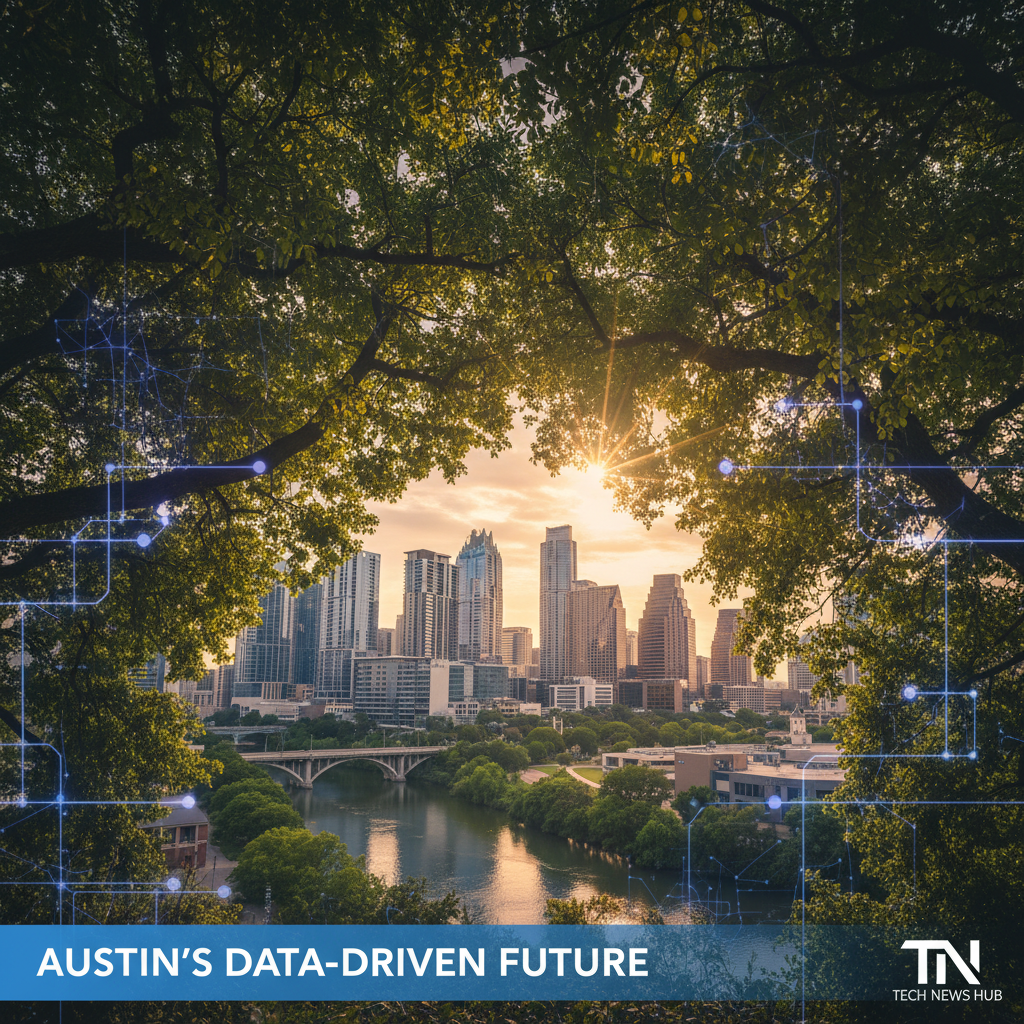
Austin, a city renowned for its vibrant culture and commitment to green living, is taking an innovative leap forward in urban sustainability. Facing the dual challenges of rapid growth and a changing climate, the Texas capital is leveraging the power of Artificial Intelligence (AI) to enhance and manage its crucial tree canopy. This cutting-edge approach is not just about planting more trees; it’s about planting smarter, ensuring a greener, cooler, and more equitable future for all residents.
The city’s strategy recognizes that a thriving tree canopy is more than just aesthetics; it’s a vital component of urban infrastructure. By harnessing AI, Austin aims to optimize its efforts, moving beyond traditional methods to create a truly data-driven framework for urban forestry. This initiative positions Austin as a leader in applying smart city technologies to pressing environmental issues.
The Critical Role of Urban Tree Canopies
In a city like Austin, where summer temperatures can soar, a robust tree canopy is nothing short of essential. Trees provide invaluable shade, significantly reducing the urban heat island effect that makes developed areas hotter than surrounding rural lands. Beyond cooling, they play a critical role in improving air quality by absorbing pollutants and releasing oxygen.
Furthermore, urban forests are natural sponges, helping to manage stormwater runoff and mitigate flooding risks, a growing concern in many cities. They also support biodiversity, provide crucial habitats for wildlife, and have a proven positive impact on public health and well-being. Ensuring these benefits are distributed fairly across all neighborhoods is a key aspect of Austin’s forward-thinking plan.
AI: Austin’s Smart Solution for Green Growth
So, how exactly is Austin putting AI to work for its trees? The city is utilizing advanced AI algorithms to analyze vast quantities of geospatial data, including high-resolution satellite imagery and aerial photographs. This technology can swiftly and accurately identify areas with low tree canopy cover, pinpointing neighborhoods that are most vulnerable to extreme heat and lack green infrastructure.
The AI models go beyond simple identification; they can assess existing tree health, predict optimal locations for new plantings based on soil conditions and available space, and even project the future growth and impact of these green interventions. This provides city planners with unprecedented insights, allowing them to make highly informed decisions about where and what to plant. Instead of guesswork, Austin now has a precise, data-backed strategy for expanding its urban forest.
From Data to Action: Equitable and Effective Planting
The insights gleaned from AI analysis are directly informing Austin’s urban forestry initiatives. One of the primary goals is to address inequities in tree canopy distribution, ensuring that historically underserved neighborhoods, which often suffer most from lack of shade and green space, receive priority. This targeted approach helps to build resilience across the entire city, enhancing public health and environmental justice.
Beyond identifying planting sites, AI also helps optimize resource allocation, ensuring that investments in tree planting and maintenance yield the greatest possible return. This includes selecting the right native species that are resilient to local climate conditions and require less water. Ultimately, Austin’s commitment to AI-driven tree canopy management is about creating a more sustainable, comfortable, and beautiful city for everyone.
A Model for Sustainable Urban Futures
Austin’s innovative use of AI to manage and expand its tree canopy serves as a powerful testament to the potential of technology in urban planning. It demonstrates how smart tools can transform environmental stewardship from a reactive process into a proactive, data-driven strategy. This forward-thinking approach is not only beneficial for Austin but also provides a scalable model that other cities around the globe can emulate.
As urban areas continue to grow and face increasing environmental pressures, leveraging AI for critical infrastructure like tree canopies will become ever more vital. Austin is showing that with thoughtful application of technology, cities can effectively adapt to climate change, enhance biodiversity, and improve the quality of life for all their residents, one tree at a time.
Source: Google News – AI Search
