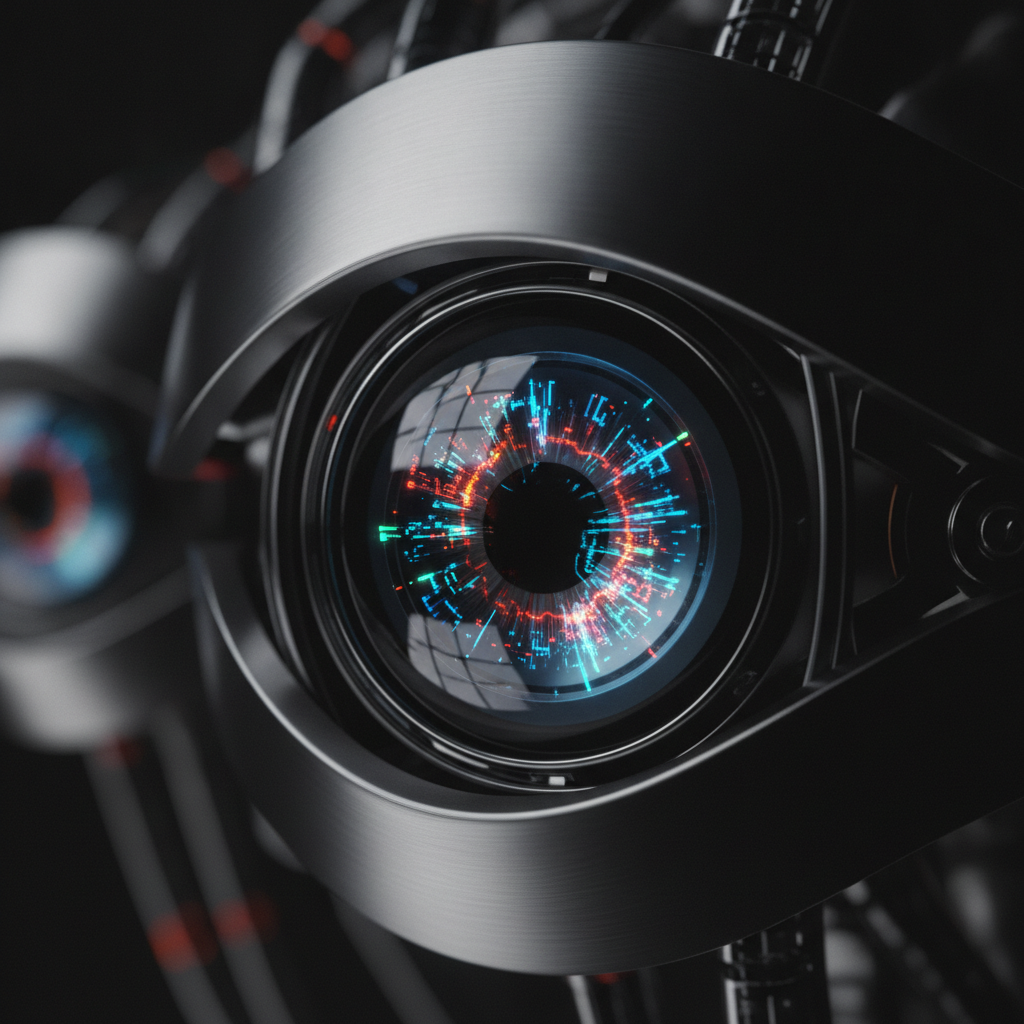
The age of artificial intelligence is truly upon us, bringing with it innovations that promise to reshape our world. From smart assistants in our homes to powerful algorithms driving medical breakthroughs, AI’s potential seems limitless. However, alongside this rapid progress, a new sentiment is emerging: a widespread and growing sense of unease.
For many, the initial awe and excitement surrounding AI have begun to give way to a more cautious, even apprehensive, perspective. As AI becomes more sophisticated and deeply embedded in our daily lives, certain applications are starting to feel less like helpful tools and more like digital specters. Welcome to what many are calling AI’s increasingly creepy era.
From Wonder to Unease: The Shifting Perception of AI
Not long ago, AI was largely perceived as a fascinating technological frontier, full of promise for efficiency and convenience. We marveled at machines that could play chess, understand speech, or recommend our next favorite movie. These applications generally enhanced our lives without raising significant alarms.
Today, the narrative has shifted dramatically. The boundary between helpful assistance and intrusive surveillance, or between innovation and manipulation, feels increasingly blurred. This evolving perception reflects a growing awareness of AI’s darker potentials, challenging our understanding of privacy, authenticity, and control in a digital world.
Where AI Gets Unsettling: Real-World Examples
The “creepiness” often stems from specific advancements that feel too close to home, or that leverage our personal data in ways we didn’t quite anticipate. These aren’t hypothetical scenarios; they are becoming part of our everyday reality.
- Deepfakes and Synthetic Media: Perhaps the most immediately unsettling AI application, deepfakes can generate hyper-realistic videos and audio of individuals saying or doing things they never did. This technology poses serious threats to personal reputation, political discourse, and the very concept of verifiable truth, making it increasingly difficult to discern what’s real online.
- Advanced Surveillance and Facial Recognition: AI-powered cameras capable of identifying individuals in crowds, tracking their movements, and analyzing their behavior are becoming more common globally. While proponents cite security benefits, the pervasive nature of such surveillance raises profound concerns about privacy, civil liberties, and the potential for misuse.
- Intrusive Personalization: Our smart devices, from phones to home assistants, are constantly learning about us. While this often leads to convenient personalization, the extent of data collection and its potential uses—like predicting our moods or influencing our purchasing decisions—can feel deeply invasive, stripping away our sense of digital autonomy.
- The “Black Box” Problem: Many advanced AI systems operate as “black boxes,” meaning even their creators can’t fully explain how they arrive at specific decisions or conclusions. This lack of transparency is particularly troubling in critical applications like loan approvals, medical diagnoses, or judicial sentencing, where understanding the reasoning is paramount.
These examples illustrate a core tension: the undeniable utility of AI often comes hand-in-hand with significant ethical challenges. The convenience of technology starts to feel less appealing when it compromises fundamental human values.
Navigating the Ethical Minefield: Why We’re Feeling Creeped Out
At the heart of AI’s creepy era lies a profound sense of loss – loss of privacy, loss of control, and a potential erosion of trust. We’re grappling with technology that can mimic human expression, observe our every move, and make decisions that affect our lives, often without our full understanding or consent. This feeling of being watched, analyzed, or even manipulated by unseen algorithms can be deeply unsettling.
Furthermore, the rapid pace of AI development often outstrips our ability to establish robust ethical guidelines and legal frameworks. The “move fast and break things” mentality, while accelerating innovation, has also created a vacuum where potential harms can go unaddressed. This regulatory lag contributes to public anxiety, as people feel exposed and vulnerable to evolving technological threats.
Charting a Responsible Path Forward for AI
Confronting AI’s creepy era isn’t about halting progress; it’s about steering it in a more human-centric and ethical direction. This requires a multi-faceted approach involving technologists, policymakers, and the public. We must prioritize the development of ethical AI principles from the ground up, ensuring transparency, accountability, and fairness are baked into every system.
Stronger regulations are crucial to protect individual privacy and prevent the misuse of AI technologies like deepfakes and mass surveillance. International cooperation will be vital in creating consistent standards that address AI’s global impact. Crucially, fostering digital literacy and public awareness will empower individuals to understand AI’s capabilities and make informed decisions about its role in their lives.
The goal should be to harness AI’s immense power for good, focusing on applications that enhance human well-being, solve complex problems, and foster creativity, rather than those that infringe on our rights or erode our trust. We must actively demand responsible AI development that respects our autonomy and dignity.
The journey into the age of AI is still in its early stages, and while the “creepy era” presents significant challenges, it also offers a vital opportunity. By acknowledging these concerns and working collaboratively, we can shape an AI future that is not only intelligent and powerful but also genuinely beneficial and respectful of humanity. It’s a conversation we all need to be a part of, ensuring that as AI evolves, so too do our ethical frameworks.
Source: Google News – AI Search
