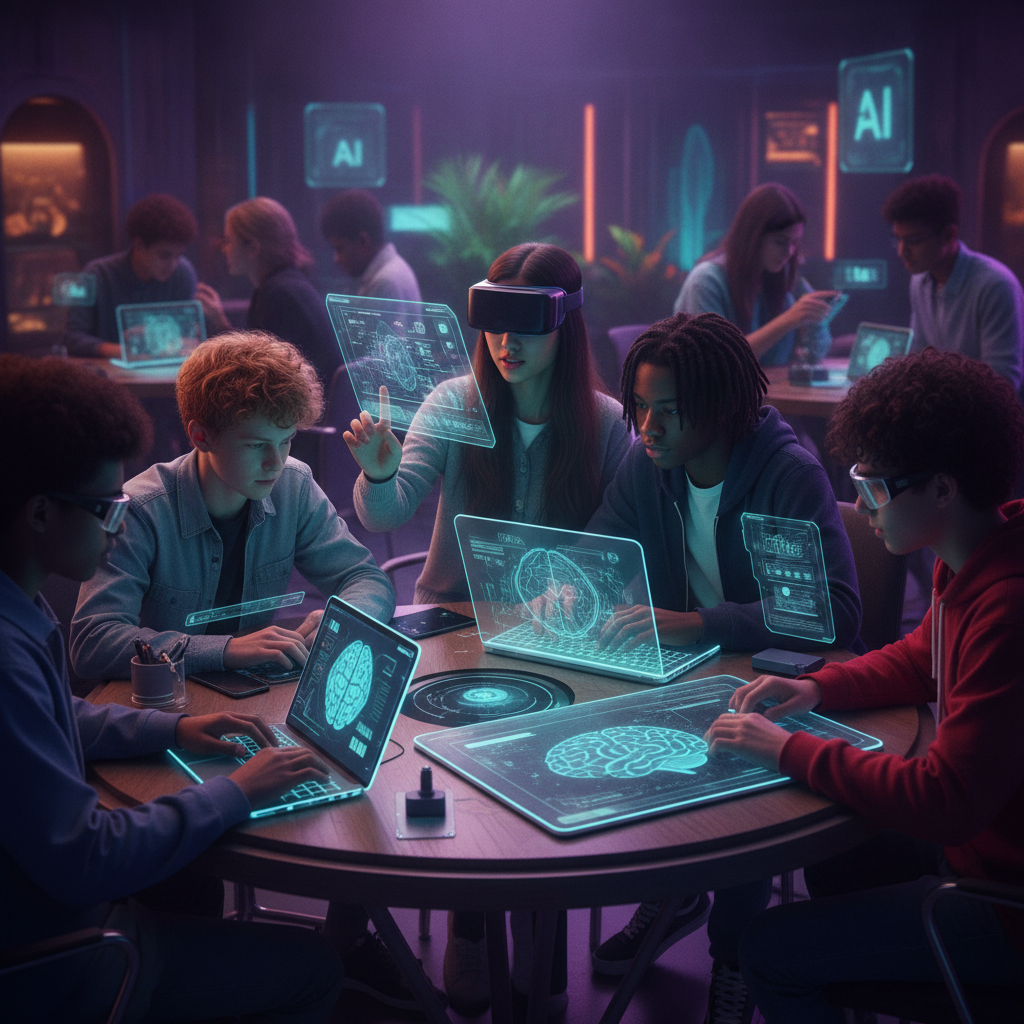
A recent Google study has cast a revealing light on how teenagers across the UK are engaging with artificial intelligence. This timely research delves into the rapidly evolving landscape of AI adoption among young people, offering crucial insights into their habits, perceptions, and future expectations. As AI tools become increasingly integrated into everyday life, understanding how the next generation interacts with them is more critical than ever.
The study highlights a fascinating picture of AI integration into adolescent routines, moving beyond simple curiosity to genuine utility. It underscores the urgent need for educators, parents, and policymakers to grasp this shift. By exploring how UK teens leverage AI for learning, creativity, and entertainment, Google’s findings provide a roadmap for fostering responsible and beneficial engagement with these powerful technologies.
Understanding Teen AI Adoption in the UK
The Google study revealed a significant uptake of AI technologies among UK teenagers. According to the research, over 75% of teens aged 13-17 reported using AI tools at least weekly, a figure that has climbed steadily over the past year. This widespread adoption signals that AI is no longer a niche technology but a mainstream part of their digital experience.
While awareness of advanced generative AI tools like ChatGPT and Bard is high, the study also found that many teens interact with AI implicitly through platforms they already use. Features like personalized recommendations on streaming services, smart assistants, and even predictive text fall under their understanding of AI. This broad exposure suggests a natural integration rather than a conscious effort to seek out “AI tools.”
The primary drivers for adoption include curiosity, the desire for efficiency, and the appeal of enhancing creative projects. Teens are not just consumers of AI but increasingly active users, exploring its capabilities across various domains. This generation is growing up with AI as a fundamental layer of the internet, shaping their expectations for future digital interactions.
How UK Teens Are Using AI in Daily Life
The research uncovered diverse and innovative ways UK teens are incorporating AI into their daily lives, both inside and outside the classroom. Education stands out as a significant area, with 68% of surveyed teens using AI for homework assistance, research, and understanding complex topics. They frequently employ AI to summarize lengthy texts, brainstorm ideas for essays, or even get explanations for difficult math problems.
Creativity is another burgeoning field for AI exploration among young people. Many teens are leveraging generative AI for artistic expression, including creating digital art, composing short musical pieces, or developing story ideas. This hands-on experience allows them to experiment with new forms of content creation and push the boundaries of their imaginative potential.
- Academic Support: Summarizing notes, generating study guides, tackling challenging assignments.
- Creative Pursuits: Crafting unique images, generating song lyrics, developing game concepts.
- Problem-Solving: Seeking quick answers to queries, troubleshooting technical issues, learning new skills.
- Entertainment: Discovering new content, personalizing gaming experiences, creating social media content.
Beyond academics and creativity, teens are also using AI for more practical applications. This includes planning personal projects, organizing schedules, and even getting advice on hobbies. The study notes that a significant portion view AI as a valuable personal assistant, streamlining tasks and offering immediate access to information.
Perceptions, Promises, and Pitfalls
The study also delved into teens’ perceptions of AI, revealing a blend of optimism and caution. Many expressed excitement about AI’s potential to simplify tasks and open up new learning opportunities. They see AI as a powerful tool that can augment human capabilities, making them more efficient and creative.
However, alongside this enthusiasm, the research identified significant concerns. A substantial number of teens reported worries about misinformation generated by AI (58%) and the potential impact on privacy (51%). These concerns highlight a nascent awareness of the ethical challenges posed by AI, prompting calls for greater digital literacy education.
Interestingly, while teens are generally adept at navigating digital environments, the study found a gap in understanding how AI systems actually work. Most could not articulate the underlying principles of generative AI, indicating a need for more robust educational frameworks that go beyond mere usage instructions to foundational comprehension. This deeper understanding is crucial for responsible engagement.
Shaping the Future of AI Literacy
The findings from Google’s study underscore the critical role that education must play in equipping UK teens for an AI-powered future. There is a clear demand for comprehensive programs that teach not only how to use AI tools effectively but also how to critically evaluate AI-generated content and understand its ethical implications. Digital literacy must evolve to include AI literacy as a core component.
Parents and educators face the challenge of guiding young people through this rapidly changing technological landscape. Encouraging critical thinking, fostering an understanding of data privacy, and promoting responsible AI usage are paramount. By nurturing these skills, we can empower teens to harness AI’s benefits while mitigating its risks.
Ultimately, this research serves as a vital call to action for tech developers, policymakers, and educational institutions. By collaborating to create safe, intuitive, and educational AI experiences, we can help shape a future where UK teens – and indeed, all young people – are prepared to thrive in an increasingly intelligent world. The goal is not just to teach them about AI, but to teach them to think intelligently about AI.
Source: Google News – AI Search
