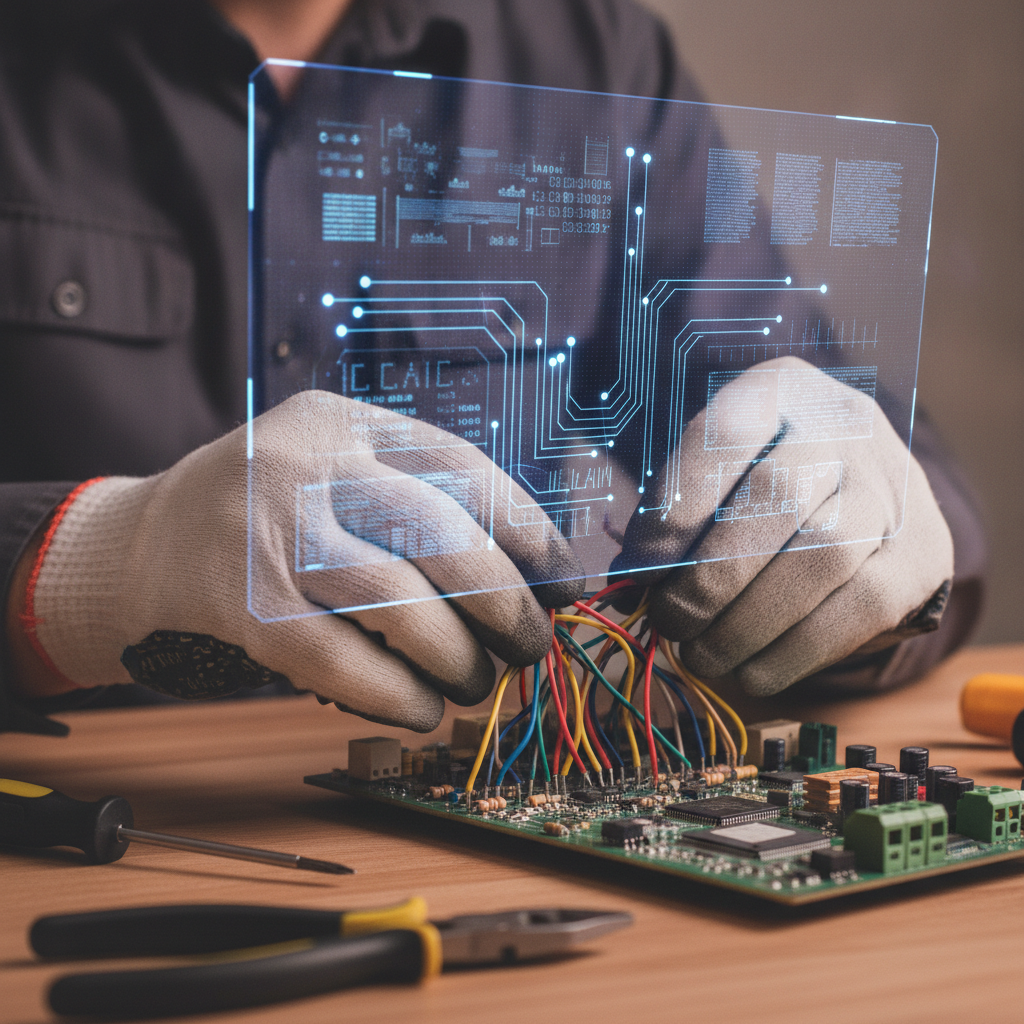
The backbone of America – our skilled trades – is facing a critical juncture. From electricians to plumbers, HVAC technicians to carpenters, a significant labor shortage threatens to slow down essential infrastructure development and everyday repairs. But what if the solution isn’t just more hands, but smarter ones? Enter Google, making a substantial bet on artificial intelligence (AI) to revitalize and empower the nation’s vital trade sectors.
Google’s strategic investment isn’t merely about developing abstract technology; it’s a practical, forward-thinking approach to address a growing crisis. By integrating cutting-edge AI tools and platforms, the tech giant aims to streamline operations, enhance training, and attract a new generation to these rewarding professions. This initiative promises to reshape how tradespeople learn, work, and contribute to the economy, ushering in an era of unprecedented efficiency and innovation.
Addressing America’s Skilled Labor Shortage
The challenge is stark: an aging workforce, a perception gap, and a lack of incoming talent have created a severe deficit in the skilled trades. Experts estimate that the demand for skilled workers will continue to outpace supply for years to come, leading to project delays and increased costs for consumers and businesses alike. This shortfall isn’t just an economic issue; it’s a societal one, impacting everything from home maintenance to large-scale industrial projects.
Google’s commitment recognizes the urgency of this situation. Rather than viewing AI as a job replacement, they envision it as a powerful augmentor, equipping tradespeople with advanced capabilities. The goal is to make these professions more appealing, accessible, and productive, thereby filling crucial gaps and future-proofing the industry. This proactive stance signals a significant shift in how technology can support traditional sectors.
Part of this strategy involves collaborating with educational institutions and trade organizations to develop specialized curricula. These programs will focus on integrating AI literacy and digital tool proficiency into traditional trade training. By making technology an integral part of vocational education, Google aims to prepare students not just for current demands but for the evolving landscape of future workplaces.
Google’s AI Initiatives: Tools for the Modern Tradesperson
So, what does Google’s vision actually look like on the ground? It’s multifaceted, encompassing everything from AI-powered diagnostic tools to intelligent planning software. Imagine an HVAC technician using an AI assistant to quickly diagnose complex system failures, or a plumber leveraging augmented reality (AR) to visualize pipe layouts behind walls without invasive demolition.
One key aspect is the development of robust, accessible AI-driven platforms designed specifically for trade-related tasks. These platforms could integrate with existing mobile devices, making advanced analytics and machine learning accessible to workers in the field. This democratizes technology, putting powerful computational resources directly into the hands of those who need them most.
Google is reportedly investing in several key areas to achieve this transformation:
- Predictive Maintenance AI: Systems that analyze data from equipment to predict potential failures before they occur, reducing downtime and costs for businesses and homeowners.
- AI-Powered Training Simulators: Virtual and augmented reality tools that provide immersive, hands-on training for complex tasks in a safe, controlled environment, accelerating skill acquisition.
- Intelligent Diagnostic Assistants: Mobile applications and wearable devices that use AI to help tradespeople quickly identify issues, access relevant schematics, and suggest optimal repair solutions.
- Optimized Project Management Software: AI that can analyze project variables, recommend efficient scheduling, manage inventory, and even assist with compliance and safety checks.
These tools are designed not to replace human expertise but to amplify it, allowing skilled workers to complete jobs faster, more accurately, and with greater insight. This makes their work more efficient and ultimately more valuable.
Transforming Workflows: Efficiency and Safety with AI
The impact of AI on daily workflows for tradespeople is set to be profound. Consider an electrician using an AI-powered visual inspection tool that can identify faulty wiring or potential hazards far more quickly and accurately than the human eye alone. This not only speeds up the job but significantly enhances safety protocols, reducing the risk of accidents.
AI can also revolutionize administrative tasks that often bog down skilled workers. Automated invoicing, smart inventory management, and AI-assisted client communication can free up valuable time. This allows tradespeople to focus on what they do best: applying their craft and solving complex physical challenges, rather than getting lost in paperwork.
Furthermore, AI algorithms can learn from vast datasets of successful projects, best practices, and industry standards. This knowledge can then be distilled and provided as real-time guidance to workers in the field, effectively putting decades of collective experience at their fingertips. Such advancements lead to consistently higher quality work and a reduction in errors.
The Road Ahead: Cultivating a Future-Ready Workforce
Google’s initiative is more than just a tech rollout; it’s a strategic investment in the future of the American workforce. By making trades more efficient, safer, and technologically advanced, it helps to dismantle outdated perceptions and attract younger generations who are already digitally native. This can inject much-needed new blood into critical industries.
Ultimately, this convergence of AI and skilled trades promises a future where technology empowers human ingenuity, rather than overshadowing it. Google’s commitment to “wiring the future” of America’s trades is a testament to the transformative power of AI when applied thoughtfully and strategically. It’s an exciting glimpse into how innovation can bridge critical labor gaps and build a more robust, resilient economy for everyone.
Source: Google News – AI Search
