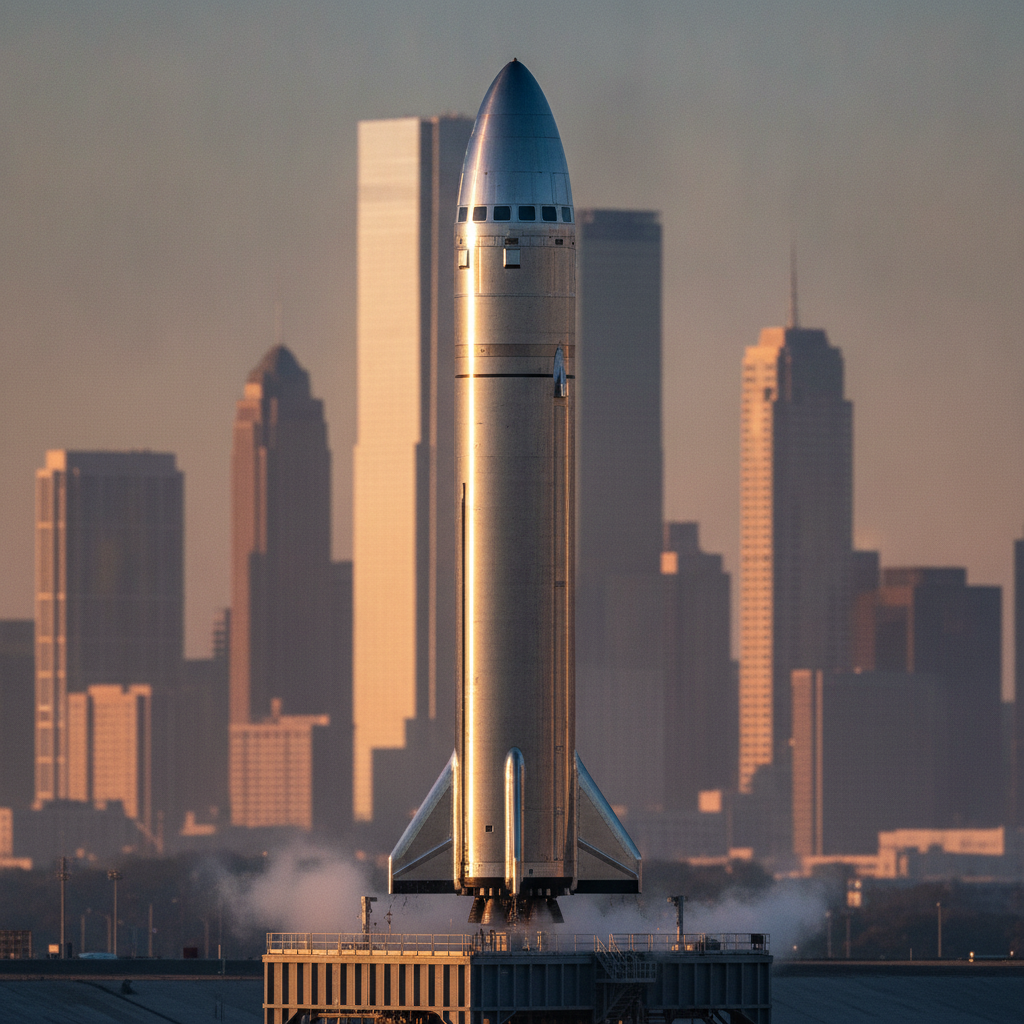
Welcome to StartupHub.ai, your go-to source for the latest insights shaping the tech and business world. This week, we’re diving deep into some of the most talked-about topics, from the tantalizing prospect of a SpaceX IPO to Google’s relentless push in artificial intelligence and the perennial surge in World Cup-related prices. These stories not only dominate headlines but also offer crucial glimpses into market trends, technological advancements, and consumer behavior.
The Enduring Allure of a SpaceX IPO
For years, the investment community has eagerly speculated about a potential Initial Public Offering (IPO) for Elon Musk’s groundbreaking aerospace company, SpaceX. Currently valued privately at well over $180 billion, SpaceX stands as one of the world’s most valuable private enterprises. Its innovative strides in reusable rocket technology, the rapidly expanding Starlink satellite internet constellation, and ambitious Mars colonization plans have captured global imagination and investor interest alike, generating substantial revenue streams even without an IPO.
Despite the immense buzz, Elon Musk has consistently maintained a cautious stance on taking SpaceX public. He has often stated that an IPO would likely occur only when the company’s Starship program is flying regularly and generating predictable, significant revenue. This strategic patience aims to ensure long-term stability and success, avoiding the short-term pressures often associated with public markets.
An IPO would undoubtedly be one of the largest and most anticipated in recent history, offering public investors a chance to own a piece of the future of space exploration. Until then, opportunities for investment are largely confined to accredited investors through secondary markets, reflecting the immense demand for a stake in Musk’s private space venture. The broader public, however, remains on the sidelines, eagerly watching SpaceX continue to redefine what’s possible beyond Earth.
Google’s Relentless AI Expansion
Google has been at the forefront of artificial intelligence research and development for decades, a legacy exemplified by breakthroughs from DeepMind and foundational platforms like TensorFlow. However, the recent explosion of generative AI has spurred an even more aggressive and public push from the tech giant, solidifying its “AI-first” strategy. Google is now locked in an intense race to integrate advanced AI capabilities across its vast ecosystem of products and services, aiming to stay ahead in this transformative technological era.
The company’s answer to the rising tide of large language models like OpenAI’s ChatGPT is its powerful Gemini family of models. Gemini is designed to be multimodal, understanding and operating across text, images, audio, and video, promising a more intuitive and comprehensive AI experience. This advanced technology is rapidly being woven into everything from Google Search to Workspace applications and its Cloud offerings, aiming to enhance productivity and redefine user interaction.
This strategic acceleration underscores Google’s commitment to maintaining its leadership position in AI, not just for search, but for the entire digital landscape. Their focus extends beyond core products, with significant investments in ethical AI development and responsible deployment, recognizing the profound societal impact of these transformative technologies.
Navigating the Surge in World Cup Prices
As the world gears up for major global sporting spectacles like the FIFA World Cup, a predictable trend emerges: a significant surge in prices across various sectors. From accommodation and flights to hospitality and even local goods, host cities experience an economic boom, but also a sharp inflation that impacts both fans and local residents. This phenomenon, driven by immense demand and limited supply, is a well-documented aspect of major international events, often accompanied by significant infrastructure investments.
For instance, the 2022 World Cup in Qatar saw unprecedented prices for hotel rooms and short-term rentals, often skyrocketing to many times their usual rates. Fans planning to attend future tournaments, such as the expanded 2026 World Cup across North America, should budget accordingly and plan well in advance. Early booking for flights and accommodation can mitigate some of these costs, but a premium is almost inevitable.
This economic reality presents a dual-edged sword. While it brings substantial revenue and infrastructure development to host nations, it can also price out local businesses and average tourists, sometimes leading to a less diverse and inclusive fan experience. Understanding these dynamics is crucial for anyone planning to immerse themselves in the excitement of the world’s most popular sporting event, ensuring a balanced perspective on its broader impact.
These three diverse topics – the future of space commerce, the ongoing AI revolution, and the economics of global events – collectively paint a vibrant picture of our evolving world. From the cosmos to our daily digital interactions and grand sporting arenas, innovation and economic forces continue to shape our realities. Stay tuned to StartupHub.ai for more in-depth analyses and breaking news as these stories unfold.
Source: Google News – AI Search
