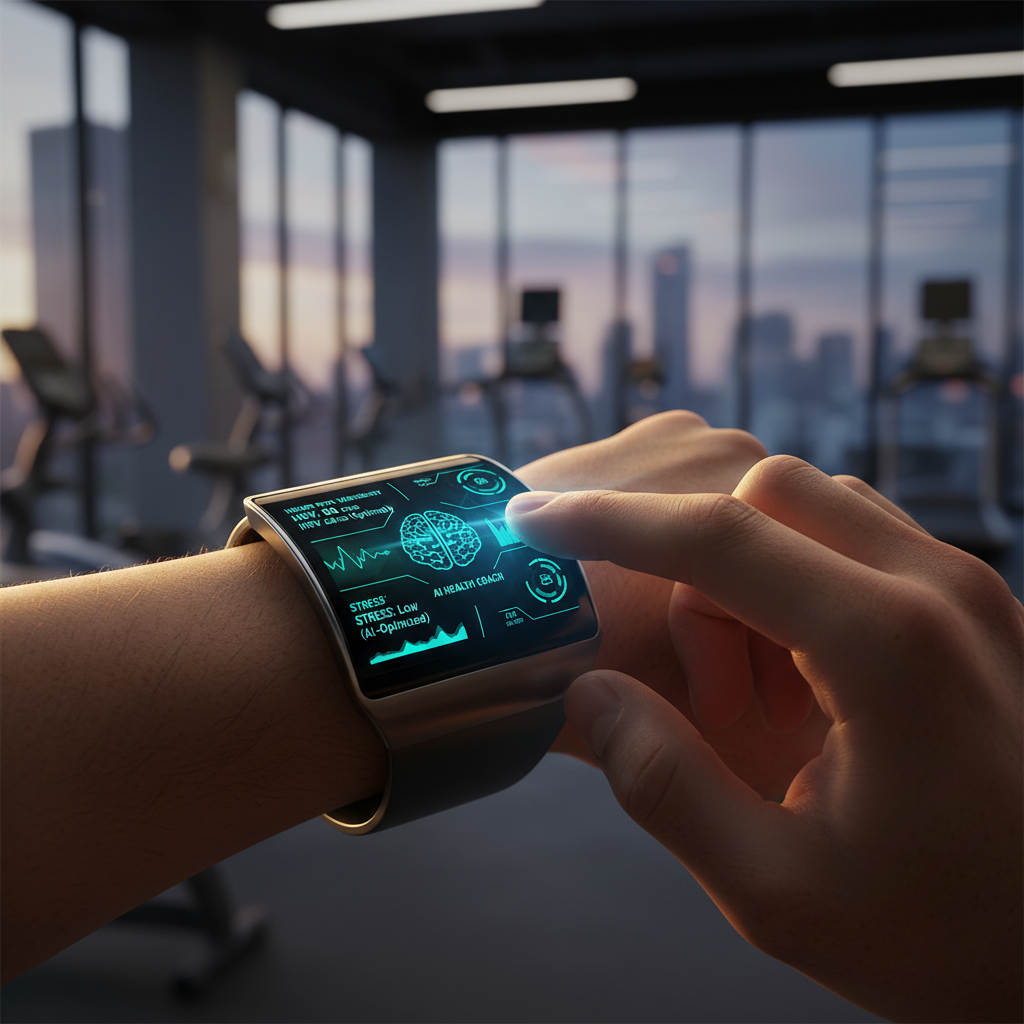
The landscape of wearable technology is a battlefield, with tech giants vying for supremacy on our wrists. While hardware specifications and slick interfaces often dominate the conversation, a new frontier is emerging: intelligent, personalized health coaching. In this arena, Fitbit, now under the Google umbrella, is making significant strides with its AI coach, potentially creating a distinct advantage in the fierce competition against rivals like Apple.
For years, fitness trackers have diligently collected our steps, heart rates, and sleep patterns. But raw data, while informative, doesn’t always translate into actionable insights or sustainable behavior change. This is where Fitbit’s advanced AI coach steps in, transforming passive data into an active, personalized guide for users, which could prove to be a pivotal differentiator in the long run.
The Evolution of Fitbit and Google’s Health Vision
Fitbit has long been a pioneer in the fitness tracking space, establishing a strong brand reputation built on robust data collection and user-friendly devices. Its acquisition by Google in 2021 signaled a serious commitment from the search giant to deepen its footprint in the health and wellness sector.
This strategic move wasn’t just about adding hardware; it was about integrating Fitbit’s extensive health data and community into Google’s vast AI capabilities. The vision was clear: leverage artificial intelligence to move beyond mere tracking and into the realm of proactive, personalized health management. The AI coach is a direct manifestation of this forward-thinking strategy, aiming to bridge the gap between knowing your data and truly understanding how to improve your well-being.
Unpacking Fitbit’s AI Coach: A Personalized Partner
At its core, Fitbit’s AI coach is designed to offer far more than simple notifications. It uses machine learning algorithms to analyze a user’s unique health data – from activity levels and sleep quality to nutrition logs and stress metrics – and translate it into highly personalized recommendations. This goes beyond generic advice, offering tailored insights that evolve with the user’s progress and changing habits.
Imagine an AI that not only tells you you didn’t sleep well but also suggests specific evening routines or relaxation techniques based on your historical patterns. Or an AI that sees you’ve been less active and proactively recommends a quick, personalized workout or a walking route nearby. This focus on behavior change and proactive guidance is what truly sets it apart from many competitors who primarily focus on data aggregation and basic health summaries.
The AI coach offers features like adaptive goal setting, where your targets adjust based on your performance, preventing burnout or complacency. It provides nudges and reminders at optimal times, learning your daily rhythm to make interventions more effective. Furthermore, it can connect the dots between different aspects of your health, explaining how a poor night’s sleep might impact your next day’s cravings or energy levels, fostering a more holistic understanding of personal wellness.
Rather than just presenting a dashboard of numbers, the AI coach aims to become a digital health companion, providing context and encouragement. It’s about empowering users with actionable knowledge, helping them build sustainable healthy habits, and fostering a deeper engagement with their own health journey.
The Google vs. Apple Dynamic: A Shifting Landscape
For years, Apple Watch has dominated the premium smartwatch market, renowned for its sleek design, robust app ecosystem, and impressive health monitoring capabilities. It excels at collecting a wealth of biometric data, from ECG readings to blood oxygen levels, and presenting it beautifully within the Apple Health app. However, where Apple currently shines in data collection, Fitbit’s AI coach is carving out a niche in intelligent interpretation and personalized intervention.
While Apple offers various fitness features and workout tracking, its approach to coaching is often more prescriptive or reliant on third-party apps. Fitbit’s integrated AI coach, by contrast, acts as a native, always-on guide that learns and adapts to the individual user. This distinction could significantly widen the gap in Google’s favor for users who desire not just data, but genuine, personalized support in achieving their health goals.
Google’s investment in this AI-driven approach leverages its core strengths in artificial intelligence and machine learning, applying them directly to a user’s personal well-being. This creates a compelling value proposition that moves beyond hardware and into intelligent services, potentially appealing to a broader demographic seeking more than just a smart accessory but a truly smart health partner. It represents a strategic pivot towards making health data truly useful and actionable for the everyday user.
Beyond the Wrist: The Future of AI in Health
The introduction of Fitbit’s AI coach isn’t just about a new feature; it represents a significant step towards the future of digital health. As AI models become more sophisticated, the level of personalization and proactive support they can offer will only deepen. We could see integrations with broader Google services, like Google Maps suggesting healthy routes or Google Assistant providing voice-guided coaching.
This intelligent coaching paradigm has the potential to democratize access to personalized wellness advice, traditionally the domain of personal trainers or nutritionists. By offering accessible, scalable, and data-driven guidance, Fitbit and Google are positioning themselves at the forefront of preventative health and lifestyle management. This not only enhances the user experience but also solidifies Google’s strategic advantage in the rapidly evolving health tech sector, making personalized health truly accessible and impactful for millions.
Source: Google News – AI Search
