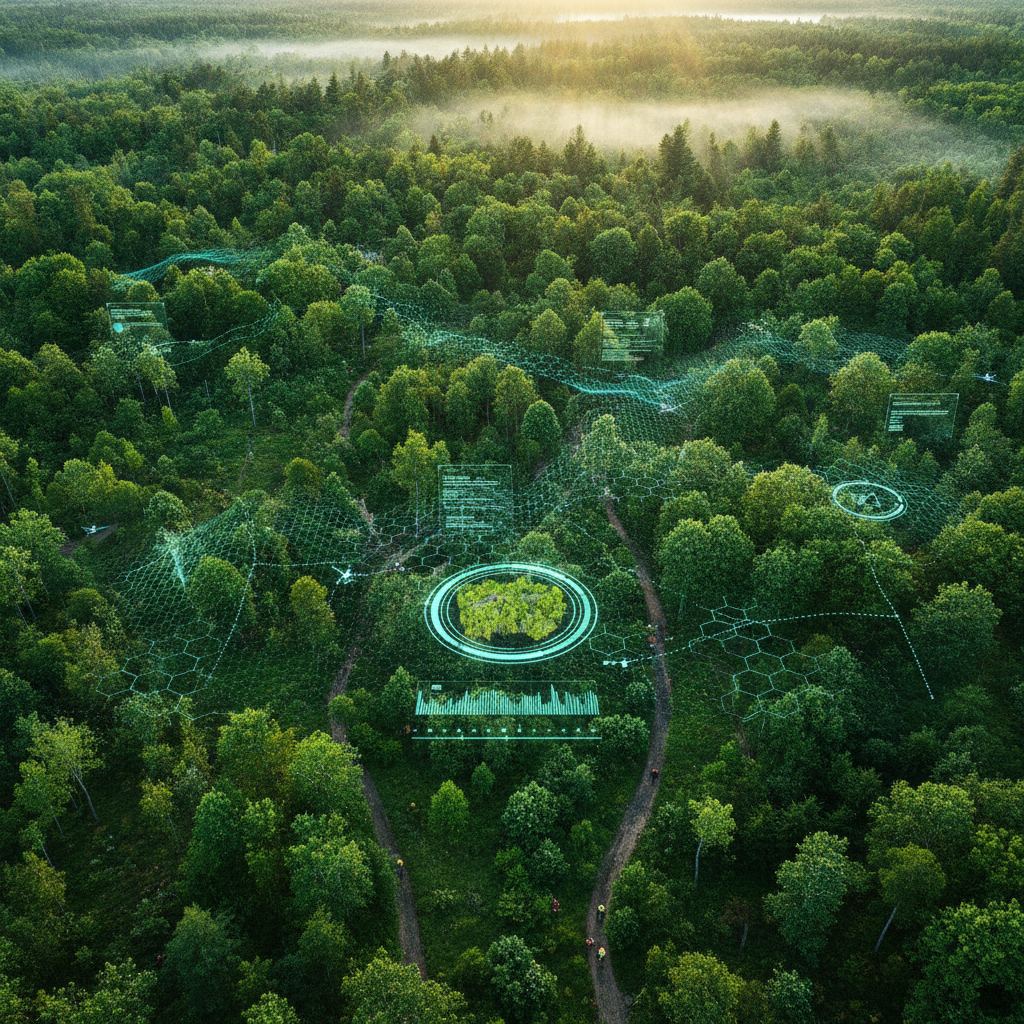
Imagine a world where restoring our planet’s natural beauty isn’t just a dream, but a highly effective, data-driven mission. Thanks to groundbreaking research, particularly at innovators like Google, this vision is becoming a reality through the power of Earth AI for nature restoration. This cutting-edge approach is transforming how we understand, plan, and execute efforts to heal our ecosystems.
From the intricate details captured in satellite images to vast swathes of landscape, artificial intelligence is proving to be an invaluable ally in conservation. It allows us to move beyond traditional, often slow and resource-intensive methods, embracing a future where every restoration project is backed by comprehensive data and predictive insights. Let’s delve into how Earth AI is making a tangible difference.
What is Earth AI for Conservation?
At its core, Earth AI for nature restoration leverages advanced machine learning algorithms to analyze massive datasets of geospatial information. This includes high-resolution satellite imagery, aerial photos, LiDAR data, and even sensor readings from the ground. The AI models are trained to identify patterns, classify land cover, and detect changes that are often invisible or too subtle for the human eye to consistently track across vast areas.
This powerful technology can distinguish between healthy forests, degraded lands, urban sprawl, and water bodies with incredible precision. It processes information at a scale and speed that was once unimaginable, providing conservationists with an unprecedented view of our planet’s health. The insights derived from Earth AI are crucial for making informed decisions about where and how to intervene effectively.
From Pixels to Practical Planning
The journey from raw satellite pixels to actionable restoration plans is where Earth AI truly shines. It transforms complex data into clear, concise information that aids conservation efforts at every stage. This intelligent analysis helps overcome many common challenges faced by restoration projects globally.
Specifically, Earth AI assists in several critical ways:
- Identifying Priority Areas: AI can quickly pinpoint regions most in need of restoration, whether it’s identifying deforestation hotspots, wetlands degraded by pollution, or areas vulnerable to erosion. This allows resources to be directed where they will have the greatest impact.
- Monitoring Ecosystem Health: Once restoration begins, AI continuously monitors the health and progress of the ecosystem. It can track vegetation growth, water quality, and biodiversity changes over time, providing objective metrics on project success.
- Predicting Environmental Changes: By analyzing historical trends and current conditions, AI models can forecast future environmental shifts, such as the spread of invasive species or the impact of climate change. This enables proactive planning and adaptation strategies.
- Optimizing Resource Allocation: With a clear understanding of needs and predicted outcomes, AI helps optimize the deployment of scarce resources like funding, personnel, and materials. This ensures efficiency and maximizes the return on investment for restoration efforts.
The Impact and Future of AI in Conservation
The impact of Earth AI on nature restoration is profound, fostering a new era of data-driven conservation. Projects that once took years to plan and assess can now be rapidly designed and monitored, leading to faster results and more resilient ecosystems. It’s not just about efficiency; it’s about scalability and accuracy, allowing us to tackle environmental challenges on a much larger scale.
Research at Google, for instance, is continuously pushing the boundaries of what’s possible, developing more sophisticated algorithms and integrating new data sources. This includes creating detailed land cover maps, monitoring specific tree species, and even tracking individual animal populations through their habitats. These advancements empower governments, NGOs, and local communities to make truly informed decisions.
Looking ahead, the integration of Earth AI into mainstream conservation practices promises a future where ecological restoration is more precise, efficient, and ultimately, more successful. As the technology evolves, we can anticipate even more sophisticated tools that will help us better understand complex ecological interactions and design even smarter interventions. This collaborative effort between technology and environmental science is crucial for safeguarding our planet for generations to come.
Source: Google News – AI Search
