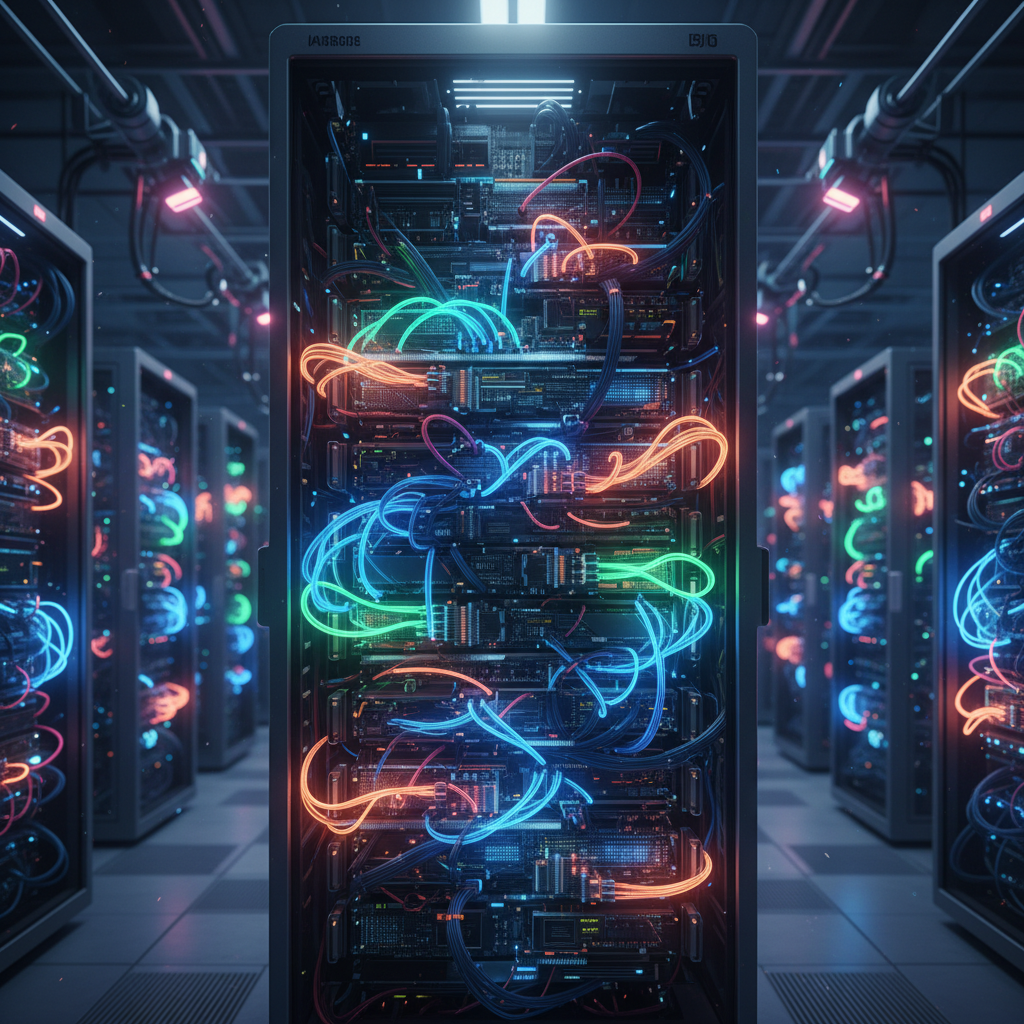
The artificial intelligence revolution is undeniably upon us, transforming industries and reshaping our future. From powering advanced analytics to driving autonomous vehicles, AI’s potential seems limitless. However, behind every groundbreaking AI model and innovative application lies a often-overlooked hero, or rather, a critical bottleneck: the underlying AI storage infrastructure.
While much attention focuses on the raw compute power of GPUs and specialized AI chips, the truth is that AI models are incredibly data-hungry. This voracious appetite for data, particularly in high-stakes production environments, is now revealing storage as the primary limiting factor in the race to deploy AI at scale. Without robust, high-performance data storage, even the most powerful processors can grind to a halt.
The Data Demands of Modern AI
Think about what an AI model needs to learn and operate effectively. It requires access to absolutely massive datasets, often spanning petabytes or even exabytes of information. This isn’t just static data; it’s constantly being accessed, updated, and analyzed during both the training and inference phases.
During the training phase, AI models iterate through vast quantities of data multiple times, learning patterns and refining their algorithms. This process demands extremely high input/output operations per second (IOPS) and low latency to feed the hungry GPUs efficiently. Any slowdown in data delivery directly translates to wasted compute cycles and extended training times.
Moving into production, AI applications continue to generate and consume data at an astonishing rate. Real-time inference, where models make predictions or decisions on live data streams, requires immediate access to information without any delays. From fraud detection systems processing financial transactions to autonomous vehicles interpreting sensor data, performance is paramount, and storage is at the heart of maintaining that speed.
Where Storage Becomes the Bottleneck
Traditional data storage systems, designed for general-purpose computing or static archives, simply aren’t equipped for the unique demands of AI. Here’s why AI storage often becomes the critical bottleneck:
- Unprecedented Scale: AI workloads deal with truly colossal datasets. Storing and managing petabytes upon petabytes of data, which continue to grow exponentially, pushes conventional storage architectures past their breaking point.
- Extreme Performance Requirements: AI models need data delivered at lightning speeds with minimal latency. We’re talking about millions of IOPS and bandwidth measured in terabytes per second, a performance profile far exceeding typical enterprise storage needs.
- Random Access Patterns: Unlike sequential reads, AI training often involves random access to various parts of the dataset, making caching and traditional optimization techniques less effective. This places an even greater strain on the underlying storage hardware.
- Cost and Complexity: Building and maintaining a storage infrastructure capable of handling AI’s demands is incredibly expensive and complex. Integrating high-performance storage solutions, often involving NVMe flash and parallel file systems, requires specialized expertise.
These challenges mean that simply throwing more compute at an AI problem is often a fruitless endeavor if the data pipeline can’t keep up. The true performance of an AI system is increasingly dictated by the efficiency and speed of its storage infrastructure.
Innovating for the AI Data Frontier
Addressing this storage bottleneck is crucial for the future of AI production and deployment. The industry is responding with a wave of innovation, focusing on specialized solutions designed from the ground up for AI workloads. These often involve:
- All-Flash NVMe Storage: Utilizing the fastest available solid-state drives (SSDs) connected directly over NVMe protocols to maximize speed and minimize latency.
- Parallel File Systems: Architectures like Lustre or GPFS (now IBM Spectrum Scale) are being adapted to distribute data across many nodes and allow simultaneous access, dramatically boosting bandwidth.
- Software-Defined Storage (SDS): Offering greater flexibility, scalability, and automated management for dynamic AI environments.
- Cloud-Native Solutions: Leveraging hyperscale cloud providers with optimized storage tiers and services tailored for AI and machine learning workflows.
Organizations investing in AI must prioritize a holistic approach, understanding that compute power alone is insufficient. A robust, scalable, and high-performance AI storage infrastructure is not just a nice-to-have; it’s the fundamental pillar supporting successful AI deployment and innovation. Overcoming this data bottleneck will be key to unlocking the full potential of AI and winning the production AI race.
Source: Google News – AI Search
