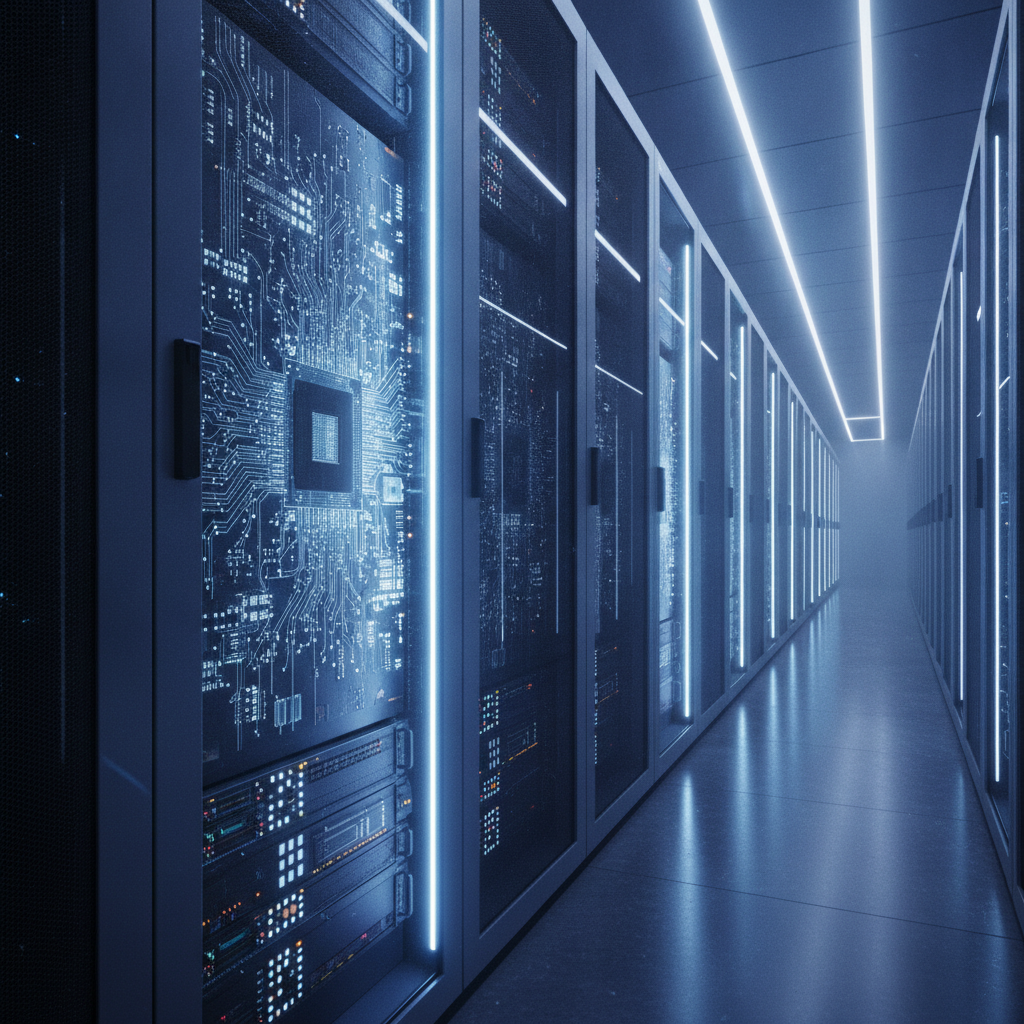
Artificial intelligence is rapidly reshaping our world, from powering smart assistants to driving medical breakthroughs and advancing scientific research. Behind every intelligent response and groundbreaking discovery lies a vast, intricate network of physical infrastructure, working tirelessly to process unimaginable amounts of data. This unseen powerhouse is none other than Google’s sprawling network of AI data centers, purpose-built facilities that are the very heart of the AI revolution.
These aren’t just any data centers; they are highly specialized environments engineered to meet the unique and demanding requirements of machine learning. They house the hardware, software, and sophisticated cooling systems essential for training and deploying AI models. Understanding what goes on inside these facilities offers a fascinating glimpse into the future of technology and how Google is building it.
The Unseen Engines of Intelligence
At the core of Google’s AI data centers are their proprietary Tensor Processing Units (TPUs). Unlike general-purpose CPUs or even GPUs, TPUs are custom-built silicon designed specifically to accelerate machine learning workloads. This specialized architecture allows Google to process complex AI algorithms with unparalleled efficiency, significantly reducing the time and energy required for model training.
Imagine a vast digital brain, constantly learning and evolving. Each data center is home to interconnected clusters of these powerful TPUs, forming what Google calls “pods” or “supercomputers.” These are deployed in a modular fashion, allowing for rapid scaling and upgrades as AI technology advances, ensuring Google can always keep pace with the demands of its innovative AI products.
The scale of these operations is staggering. Within these facilities, tens of thousands of specialized AI accelerators work in concert. This immense processing power is crucial for projects like Google Search, Bard, DeepMind, and countless other AI-driven services that touch billions of users worldwide, making modern AI possible.
Powering the Future, Responsibly
Running such advanced AI infrastructure consumes a tremendous amount of energy. Google has made significant strides in ensuring these power demands are met responsibly, aiming for their data centers to operate with increasing sustainability. They are committed to powering their global operations, including AI data centers, with 100% renewable energy, purchasing more clean energy than they consume.
Beyond energy sourcing, efficiency is key. Google employs innovative cooling technologies to keep the densely packed hardware from overheating, which is a significant challenge for AI workloads. Advanced liquid cooling systems and sophisticated airflow management are integral, dramatically reducing the energy expenditure associated with temperature regulation compared to traditional methods.
Water usage is also a critical consideration. Many of Google’s newer data centers are designed with highly efficient cooling systems that reuse water multiple times, or even utilize non-potable water sources when available. This commitment to resource efficiency helps minimize the environmental footprint of their AI infrastructure, aligning technological progress with ecological responsibility.
The Human Element and Unwavering Security
While automation plays a massive role, highly skilled teams of engineers and technicians are essential to the continuous operation of these complex facilities. They monitor performance, conduct maintenance, and troubleshoot issues around the clock, ensuring the smooth and reliable functioning of Google’s AI services. Their expertise is invaluable in maintaining such critical infrastructure.
Security is paramount within these data centers, both physical and digital. Access is severely restricted, with multiple layers of biometric scans, surveillance, and trained security personnel protecting the premises. Electronically, data is encrypted both in transit and at rest, safeguarded by Google’s leading cybersecurity protocols to protect user information and proprietary AI models.
The strategic locations of these data centers are carefully chosen, often in areas with stable power grids and favorable climate conditions. Furthermore, Google implements robust disaster recovery plans, ensuring redundancy and continuous operation even in the face of unexpected challenges, maintaining the reliability users expect from their services.
Building Tomorrow’s AI Today
Google’s AI data centers are more than just buildings filled with computers; they are sophisticated ecosystems driving the next wave of technological innovation. From custom-designed TPUs to industry-leading sustainability efforts and stringent security measures, every aspect is meticulously planned to support the incredible demands of artificial intelligence.
As AI continues to evolve and integrate further into our daily lives, these powerful, unseen data centers will remain at the forefront, silently enabling the intelligent applications and services that are shaping our future. They represent a monumental achievement in engineering and a vital component in realizing the full potential of artificial intelligence.
Source: Google News – AI Search
