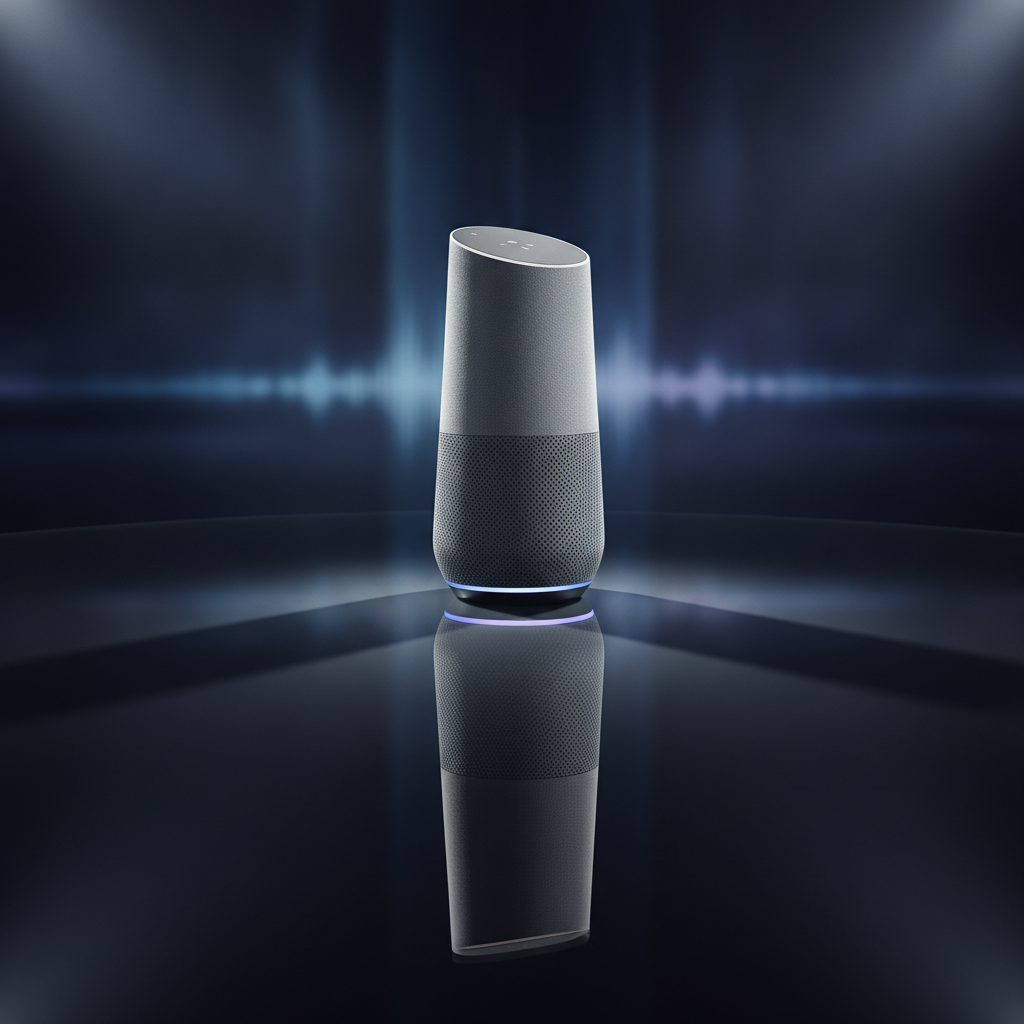
Google has officially returned to the smart speaker arena with its first new device in six years: the Google Home Speaker. We’ve spent nearly 48 hours putting this new intelligent assistant through its paces, and we have some interesting initial impressions to share. You can trust our insights because ZDNET independently tests and researches products, gathering data from various sources including vendor listings, expert reviews, and real customer feedback.
While we may earn an affiliate commission when you purchase through our links, this never influences our editorial content or the price you pay. Our commitment is always to you, our reader, ensuring we deliver the most accurate information and knowledgeable advice to help you make smarter buying decisions.
A Fresh Take on Smart Sound
The new Google Home Speaker marks a significant shift for the company, doing away with the “Nest” moniker for its smart home audio devices. This speaker introduces a completely redesigned audio experience, embracing 360-degree sound rather than the front-facing output found in previous models like the Nest Audio and Nest Mini.
Priced at around $100, the speaker utilizes a single 58mm driver, a specification that might raise an eyebrow given the older, similarly priced Nest Audio features a 75mm mid-woofer and a 19mm tweeter. Many consumers understandably wondered if the internal technology was a sufficient upgrade. However, raw specifications don’t always tell the full story when it comes to sound.
Despite its seemingly modest hardware, our tests reveal that the Google Home Speaker delivers powerful, crisp, and clear sound. It stands up remarkably well against competitors such as the Apple HomePod mini, which also employs a two-inch full-range driver. Crucially, it provides a noticeably superior audio experience compared to both the Nest Mini and the older Echo Dot models.
Intuitive Controls and AI Smarts
One of the most distinctive design elements of the Google Home Speaker is its minimalist approach to controls. Unlike many smart speakers, it completely lacks a physical control panel, buttons, or a display on its top surface. Initially, I anticipated this might make navigation difficult without resorting solely to voice commands or the Google Home app.
However, Google has engineered an incredibly intuitive control scheme: a simple tap on the top surface initiates play or pause, while tapping the illuminated sides adjusts the volume. The lights instantly activate upon touch, providing clear visual feedback and making interactions surprisingly easy. This streamlined interface proves both user-friendly and highly responsive.
Perhaps the most compelling feature of the new speaker is its seamless integration of Gemini for Home, Google’s generative AI assistant. This advanced assistant offers a distinctly conversational experience that feels less “jarring” than its closest competitor, Alexa+. Gemini provides informative, largely accurate, and reliably generated content, living up to its generative AI promise.
While Gemini still occasionally includes phrases like “as an AI…”, its overall performance is highly responsive and capable. It significantly outshines Siri on the Apple HomePod and HomePod mini, which currently lack generative AI features. For a daily home assistant, Gemini’s balanced tone and powerful capabilities make it a strong contender and a preferred choice for many.
The Microphone Challenge
Designing a smart speaker that excels in both audio output and voice input is a challenging feat, requiring a delicate balance between powerful sound and precise microphone performance. The Google Home Speaker is equipped with three far-field microphones and a neural processing unit (NPU), specifically engineered for local sound isolation to ensure your voice commands are heard.
Unfortunately, in my testing, this is where the speaker encountered its primary limitation. When music was playing, even at about two-thirds of its full volume, the microphone array struggled to consistently pick up my voice commands. This often meant I had to walk over to the speaker and manually pause the music by tapping its top.
While this isn’t a catastrophic flaw, it does somewhat diminish the core benefit of a voice-activated smart speaker. An ideal smart device should reliably respond to commands without requiring manual intervention, regardless of the audio levels it’s producing.
Overall Verdict
The Google Home Speaker emerges as a strong and competitive option in today’s crowded smart speaker market. Its impressive sound quality often surpasses the 4th-generation Amazon Echo Dot and, in certain scenarios, can even outmatch the newer Echo Dot Max. However, it doesn’t quite reach the audio fidelity or microphone array performance of the Apple HomePod mini.
Where Google’s latest speaker truly shines is its innovative integration of Gemini for Home, providing a hands-free generative AI assistant that is currently absent in Apple’s smart speakers. Despite the microphone’s struggles with loud music, this device represents a significant advancement for Google, pairing powerful AI capabilities with solid audio performance in an intuitive package. It’s a compelling choice for anyone prioritizing an advanced smart assistant experience alongside good sound quality.
Source: ZDNet – AI
