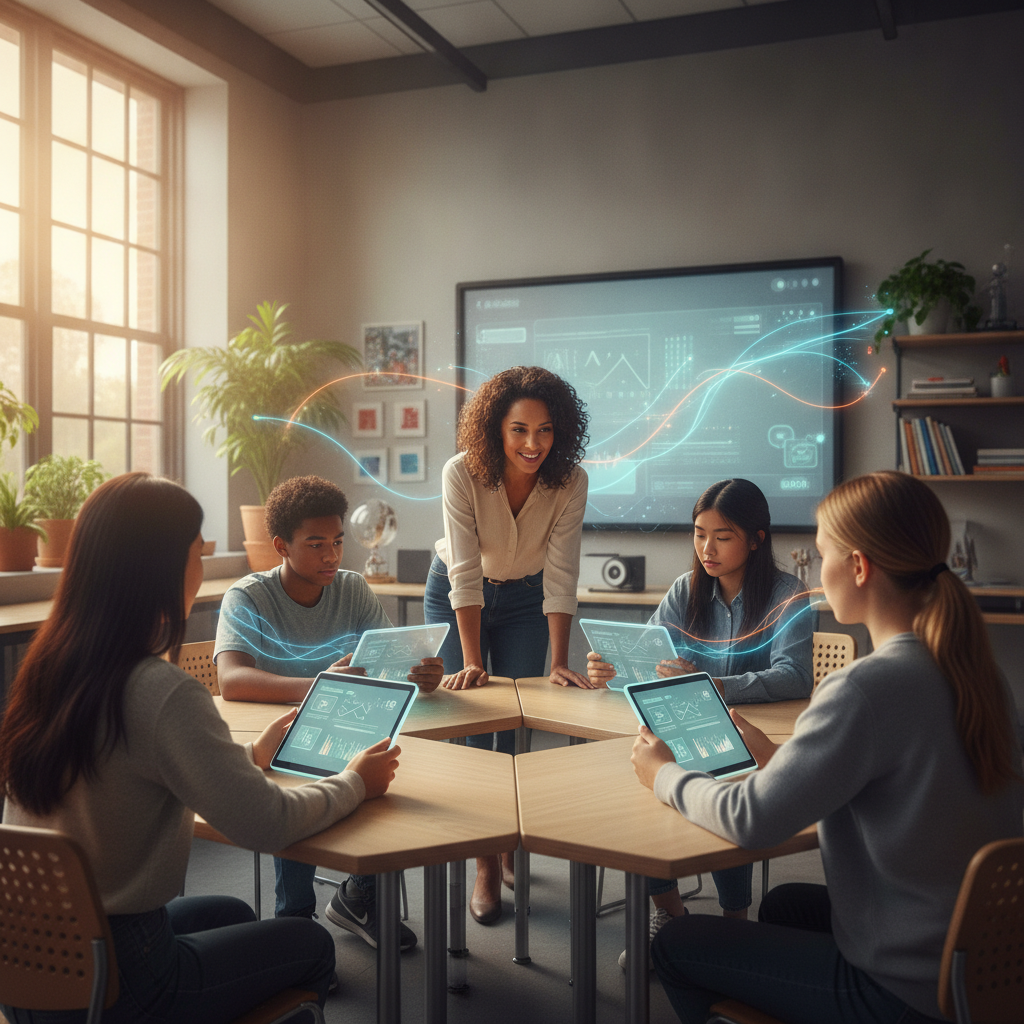
The landscape of education is constantly evolving, and by 2026, Artificial Intelligence (AI) will undoubtedly be at the forefront of this transformation. As we look towards events like ISTE 2026, the focus is increasingly on how connected AI tools can seamlessly integrate into classrooms, fundamentally enhancing both teaching and learning experiences.
Google has long been a pioneer in educational technology, and its commitment to developing intelligent, user-friendly tools continues to shape the future of learning. At ISTE 2026, educators, administrators, and tech enthusiasts will explore the groundbreaking advancements that promise to revolutionize how students engage with content and how teachers deliver instruction.
Unlocking Personalized Learning with AI
One of the most exciting promises of AI in education is its ability to deliver truly personalized learning experiences. Imagine a classroom where every student receives tailored content, adaptive assessments, and immediate feedback perfectly suited to their individual pace and style. AI-powered platforms can analyze student performance data in real-time, identifying strengths, weaknesses, and preferred learning modalities.
This level of customization means students can explore topics at their own speed, receive additional support where needed, and be challenged appropriately to foster deeper understanding. Google’s AI innovations aim to make this vision a reality, transforming generic curricula into dynamic, student-centric learning journeys. These tools are designed to help every student reach their full potential, moving beyond a one-size-fits-all approach.
- Adaptive Content Delivery: AI identifies gaps in understanding and suggests relevant resources or alternative explanations.
- Individualized Progress Tracking: Students and teachers gain insights into learning trajectories and areas needing focus.
- Personalized Feedback Loops: Instant, constructive feedback helps students correct mistakes and reinforce concepts more effectively.
- Curated Resource Recommendations: AI suggests supplementary materials like videos, articles, or interactive simulations based on student interest and performance.
Empowering Educators, Not Replacing Them
While AI often sparks discussions about automation, Google’s vision for education centers on empowering teachers, not replacing them. Connected AI tools are designed to alleviate the administrative burden on educators, freeing up valuable time for more meaningful interactions with students. Think of AI as an intelligent assistant, handling routine tasks so teachers can focus on the art of teaching.
From generating lesson plans to streamlining grading and providing insightful analytics on classroom performance, AI can significantly enhance teacher efficiency. This allows educators to dedicate more energy to fostering critical thinking, creativity, and socio-emotional development—areas where human connection is irreplaceable. At ISTE 2026, we’ll see demonstrations of how Google’s AI tools support teachers in crafting richer, more engaging educational environments.
- Automated Grading and Feedback: AI assists in quickly evaluating assignments, providing consistent and fair feedback.
- Intelligent Lesson Planning: Tools suggest activities, resources, and differentiation strategies based on curriculum goals and student needs.
- Data-Driven Insights: AI dashboards provide teachers with a holistic view of student and class progress, helping them identify trends and intervene proactively.
- Content Creation Support: Generate initial drafts for quizzes, prompts for discussions, or summaries of complex topics, saving preparation time.
Navigating the Future Responsibly: Ethical AI in Schools
As we embrace the power of AI in education, ensuring its responsible and ethical implementation is paramount. Google understands that trust and safety are non-negotiable, particularly when it comes to tools used with students. Discussions at ISTE 2026 will undoubtedly highlight the crucial need for transparent AI systems, robust data privacy protocols, and equitable access for all learners.
Google is committed to developing AI solutions that are fair, unbiased, and prioritize student well-being and data security. This includes providing clear guidelines for use, offering training for educators, and continuously refining algorithms to promote equitable outcomes. The goal is to harness AI’s potential while upholding the highest standards of integrity and privacy, building a future where technology truly serves humanity.
The integration of connected AI tools into teaching and learning represents a monumental leap forward for education. By focusing on personalized learning, teacher empowerment, and ethical implementation, Google and the broader edtech community are paving the way for a more effective, engaging, and equitable educational experience for everyone. ISTE 2026 will be a pivotal moment to witness these advancements and collectively shape the intelligent classrooms of tomorrow.
Source: Google News – AI Search
