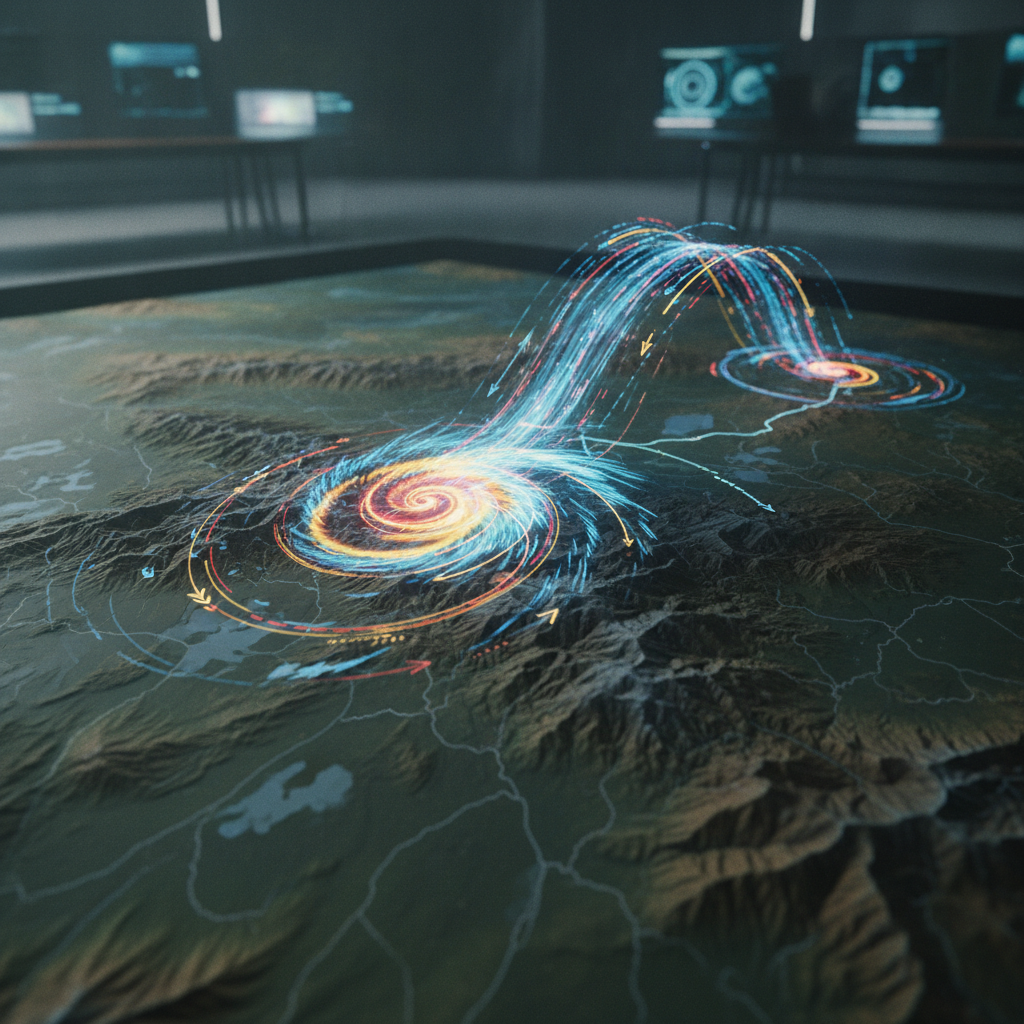
In an era where climate change amplifies the frequency and intensity of extreme weather events, the imperative for advanced natural disaster forecasting and crisis resilience has never been more critical. Google is at the forefront of this challenge, leveraging its cutting-edge artificial intelligence (AI) and machine learning capabilities to develop powerful tools designed to predict, mitigate, and respond to various disasters. These innovations are not just technological feats; they represent a profound commitment to protecting communities and saving lives worldwide.
The company’s initiatives underscore a vital shift towards proactive disaster management, moving beyond reactive measures to establish robust early warning systems. By harnessing vast datasets and sophisticated algorithms, Google aims to provide timely, actionable information to individuals and emergency services alike, bolstering global crisis resilience in the face of escalating environmental threats.
Revolutionizing Flood Forecasting with AI
Flooding remains one of the most destructive natural disasters globally, displacing millions and causing billions in damages annually. Traditional forecasting methods often struggle with localized precision and timely alerts, leaving communities vulnerable. Google has stepped in with its AI-powered flood forecasting system, which significantly enhances prediction accuracy and lead times.
This sophisticated system integrates a wealth of data points, including historical flood records, real-time river level measurements, topographical maps, and comprehensive weather forecasts. By processing these complex inputs through advanced machine learning models, Google can predict not just *if* a flood will occur, but also *where* and *when* it will impact specific areas, even down to individual streets.
Initially launched in India and subsequently expanded to Bangladesh, the technology has proven incredibly effective, issuing alerts directly to affected populations via Google Search, Maps, and Android notifications. This direct-to-user approach ensures that crucial information reaches those who need it most, empowering them to take preventative action, such as evacuating or securing property, well before disaster strikes.
The success of Google’s flood forecasting initiative is built on several core pillars:
- Hyperlocal Predictions: Delivering precise forecasts for specific locations rather than broad regions.
- Early Warning Systems: Providing several days of lead time, allowing communities to prepare effectively.
- Wide Accessibility: Distributing alerts through widely used Google platforms, maximizing reach.
- Continuous Improvement: Constantly refining AI models with new data to enhance accuracy and coverage.
Enhancing Wildfire Detection and Response
Beyond floods, wildfires pose another escalating threat, especially in regions prone to dry conditions exacerbated by climate change. Early detection is paramount for effective containment and preventing widespread destruction. Google is applying its AI prowess to help authorities get ahead of these fast-moving infernos.
Through the use of satellite imagery, AI models are trained to detect the earliest signs of wildfire ignition, often identifying nascent fires before they become uncontrollable. This capability provides firefighters with critical head starts, enabling them to deploy resources more efficiently and contain fires while they are still small.
Furthermore, Google’s AI tools assist in predicting wildfire spread patterns by analyzing terrain, wind conditions, vegetation types, and existing fire perimeters. This predictive modeling helps emergency responders anticipate fire behavior, plan evacuation routes, and allocate resources strategically, ultimately saving homes and lives.
Building Comprehensive Crisis Resilience
Google’s commitment to crisis resilience extends beyond specific disaster types to encompass a broader suite of tools designed to support communities during any major emergency. The company’s AI-powered initiatives aim to make critical information easily accessible, helping people navigate chaotic situations and rebuild afterward.
During a crisis, accurate and up-to-date information is invaluable. Google’s platforms, including Search and Maps, are often updated with AI-curated crisis information, such as emergency shelters, road closures, official warnings, and relief efforts. This streamlines access to vital resources, reducing panic and facilitating organized responses.
The development of these AI-driven tools signifies Google’s dedication to leveraging technology for the greater good, fostering a more prepared and resilient world. By partnering with governments, NGOs, and local communities, Google is actively working to integrate these advanced solutions into global disaster management frameworks, ensuring they have real-world impact where it matters most.
Google’s continuous advancements in AI-powered natural disaster forecasting and crisis resilience are transforming how we prepare for and respond to environmental challenges. These innovative tools offer a beacon of hope in a changing climate, demonstrating the profound potential of technology to protect our planet and its people. As these systems evolve, they will undoubtedly play an even larger role in safeguarding communities worldwide from future catastrophes.
Source: Google News – AI Search
