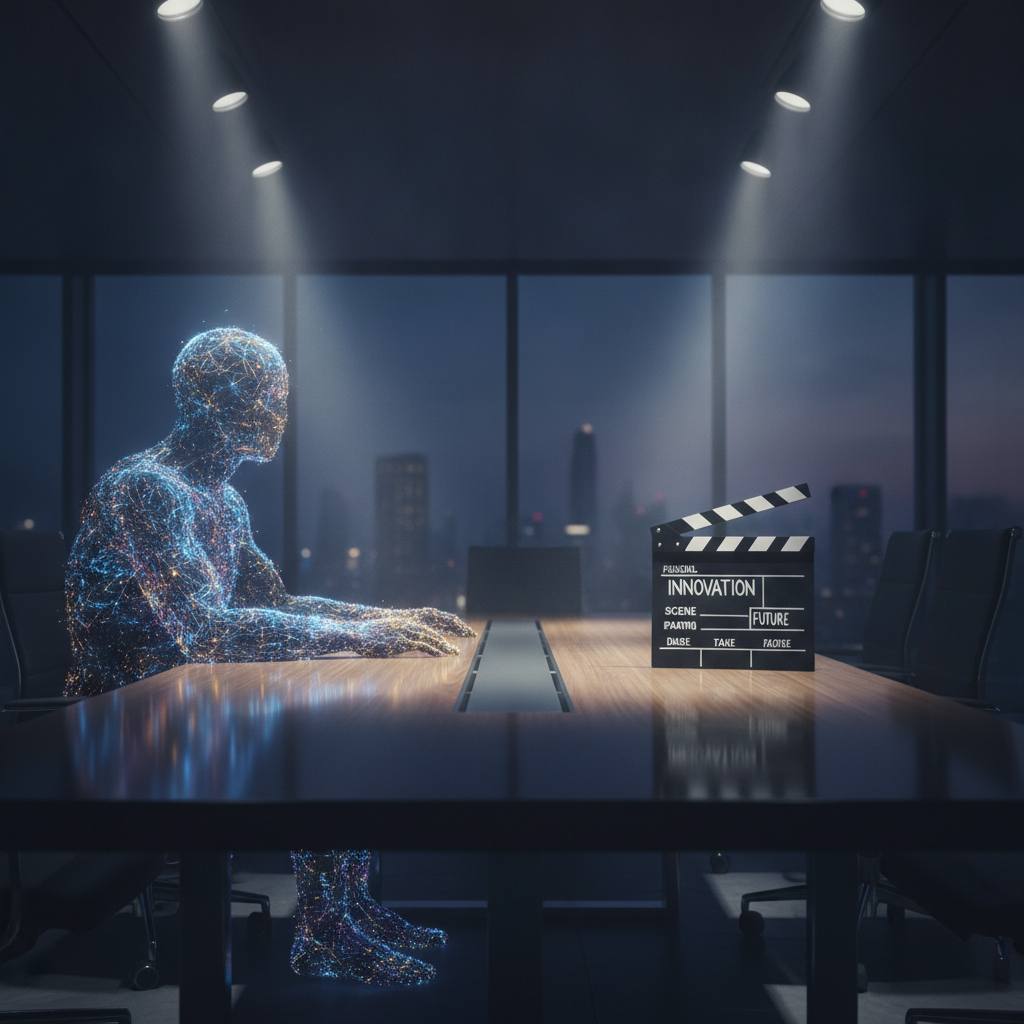
A24, the indie darling known for its critically acclaimed and artist-driven films, recently found itself in an unexpected spotlight, not for a new cinematic masterpiece, but for a controversial partnership. The studio announced a collaboration with Google DeepMind, the tech giant’s leading artificial intelligence research arm, sparking immediate and intense backlash from its dedicated fanbase. This deal has ignited a heated debate about the role of AI in creative industries and A24’s commitment to independent filmmaking.
Fans, who have long celebrated A24 for its unique vision and support of singular artistic voices, expressed deep disappointment and concern across social media platforms. Many worried that this move signaled a departure from the studio’s core values, fearing that AI could undermine human creativity and lead to job displacement in the film industry. The criticism highlighted the anxieties prevalent among creatives about artificial intelligence’s encroaching influence.
Understanding the DeepMind Partnership
Despite the uproar, A24 has publicly defended its decision, asserting that their involvement is crucial for shaping the future of AI in a responsible manner. Their key message? “We’d rather have a seat at the table.” This statement suggests a proactive stance, positioning the studio not as a passive adopter of AI, but as an active participant in its development for creative applications.
The collaboration is described as a research-focused initiative aimed at exploring how AI tools could potentially assist in various stages of the creative process. This isn’t about replacing writers or directors, according to A24, but about developing innovative solutions that could enhance storytelling and production efficiencies. The partnership seeks to identify opportunities where AI can augment human talent without diminishing its value.
Specific details about the projects currently underway remain under wraps, but the general scope involves DeepMind lending its expertise in AI research to A24’s creative teams. This could range from leveraging AI for script analysis to refining post-production workflows or even generating novel concepts. The goal is to develop bespoke AI tools tailored to the nuanced demands of filmmaking.
A24 emphasizes that its intent is to explore AI’s potential thoughtfully, ensuring that any developed tools remain subservient to the artistic vision. They believe that by engaging directly with Google DeepMind, they can influence the ethical deployment of AI in entertainment. This “seat at the table” allows them to advocate for human-centric approaches within the evolving technological landscape.
The Fan Backlash and Industry Concerns
The strong negative reaction from fans is deeply rooted in broader industry anxieties surrounding AI. Hollywood has already seen significant strikes by writers and actors, where the unchecked use of AI was a central point of contention. There’s a widespread fear that AI could be used to generate scripts, mimic performances, or automate jobs, thereby devaluing human artistry and threatening livelihoods.
For many A24 devotees, the studio represented a bastion against the corporatization and industrialization of filmmaking. Its reputation was built on championing independent voices, unique narratives, and unconventional talent. The DeepMind partnership, to some, felt like a betrayal of these principles, aligning A24 with a tech giant perceived by many as a symbol of technological disruption and corporate ambition.
Critics argue that even with good intentions, engaging with AI development can inadvertently legitimize a technology that could eventually harm the creative community. They question whether A24’s “seat at the table” truly provides enough leverage to steer AI development away from potentially detrimental applications. The concern is that even an ethical framework might eventually be overridden by commercial pressures or technological capabilities.
Moreover, the concept of intellectual property in the age of generative AI remains a major sticking point. Artists are worried about their work being used to train AI models without consent or fair compensation, blurring lines of authorship and ownership. This contentious issue adds another layer of complexity to any AI-related collaboration in the creative fields.
A24’s Defense: A Proactive Approach
A24’s defense is centered on the idea that ignoring AI is not an option; rather, active participation is necessary to ensure its responsible evolution. By collaborating with Google DeepMind, they aim to contribute to the creation of AI tools that are genuinely beneficial for artists, rather than tools that displace them. This proactive stance is intended to safeguard artistic integrity in the face of inevitable technological change.
The studio maintains that its commitment to supporting artists remains unwavering. They see this partnership as an extension of that commitment, aiming to equip creators with cutting-edge resources that can unlock new possibilities. Their argument suggests that having direct input from a studio with a strong artistic ethos is vital in shaping AI to serve, not supplant, human ingenuity.
This approach highlights a philosophical divide: some believe in outright resistance to AI in creative fields, while others advocate for engagement and guidance. A24 is clearly aligning with the latter, believing that a hands-on approach offers the best chance to influence AI’s trajectory positively. They aim to ensure that these powerful technologies are developed with the specific needs and values of artists in mind.
Ultimately, the success of this partnership, and A24’s ability to regain its fans’ trust, will depend on the tangible outcomes it produces. If the collaboration results in innovative, artist-friendly tools that genuinely empower creators without compromising jobs or artistic control, it could set a precedent for how studios responsibly navigate the AI revolution. If not, the backlash could intensify, further fueling the debate over AI’s place in art.
Source: Google News – AI Search
