At ZDNET, our mission is to empower you with the most accurate information and knowledgeable advice, ensuring you make smart buying decisions on everything from the latest tech gear to home essentials. We independently test and research products, gather data from the best sources, and pore over customer reviews to bring you recommendations you can trust. When you click through our links and make a purchase, we may earn a commission, but this never influences our editorial content or the price you pay.
Our dedicated team meticulously reviews and fact-checks every article, committed to the highest standards of accuracy and transparency. We write on your behalf, our valued reader, and if an error slips through, we are quick to correct or clarify. It’s this commitment to integrity that underpins every piece of advice we offer, including this deep dive into a truly indispensable tool.
Your Invisible Eye: The Power of Thermal Imaging
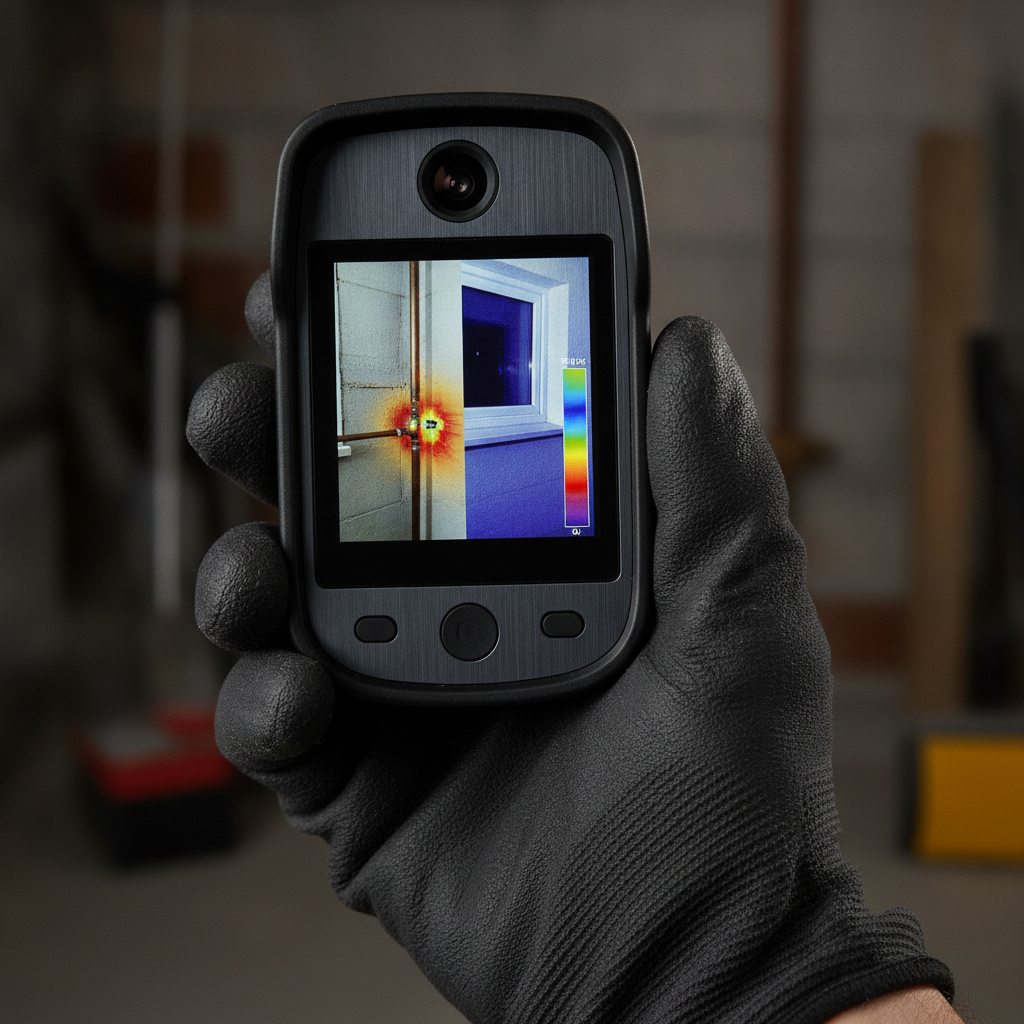
As someone who’s always loved tools – from plastic sets as a child to a fully stocked power tool arsenal today – I can confidently say that few modern gadgets have proven as invaluable as a thermal camera. This device has quite literally saved me thousands of dollars over the years by helping me spot problems before they escalate into costly disasters. It’s a tool that grants you a superpower: the ability to see what’s otherwise invisible.
When many people hear “thermal camera,” their minds often jump to sci-fi movies or military technology. The reality is far more accessible and practical. You might be surprised to learn that powerful thermal cameras are available to consumers and can cost as little as $100, bringing this incredible diagnostic capability right into your hands for home repairs, energy audits, and much more.
Choosing Your Thermal Imaging Tool: Three Main Types
Before diving into the myriad ways a thermal camera can revolutionize your DIY and diagnostic efforts, let’s explore the various options available on the market. There are three primary types of thermal cameras, each with its own set of advantages and considerations, making it easy to find one that fits your needs and budget.
-
Standalone Thermal Cameras: These are dedicated, handheld units designed solely for thermal imaging. They range from high-end professional models like the Fluke TiS75+ to more budget-friendly options for home users, such as the Topdon TC004 or Foxwell RT280. While they are robust, accurate, and incredibly easy to use – typically just point and shoot – their main drawback is being a single-purpose tool that might spend a lot of time in your toolbox if not used frequently.
-
Smartphone Thermal Camera Attachments: These compact devices plug directly into your smartphone (or sometimes computer) and are controlled via an app. Their small size makes them incredibly portable and useful for getting into tight spaces, and sharing images or videos is seamless thanks to your phone’s capabilities. However, they can still be an investment, are easy to misplace, and some models might limit you to a specific phone platform, though multi-platform options like the Thermal Master P4 and Topdon TC001 are increasingly available.
-
Smartphones with Built-in Thermal Cameras: Believe it or not, several Android smartphones, often ruggedized models from brands like Ulefone, Blackview, and Oukitel, come with integrated thermal cameras. The biggest upside is always having a thermal camera within arm’s reach since it’s part of your daily device, and it’s always charged when your phone is. The main downsides are that you won’t find this feature on flagship phones or iPhones, and these devices tend to be bulkier due to their rugged design.
Unlocking the Superpower: Practical Uses of Thermal Imaging
Modern thermal cameras, even those at the more affordable end, are astonishingly sensitive. They can detect minute differences in temperature, allowing you to “see” things like the warmth of residual fingerprints on a surface or the subtle temperature variation in your nostrils as you breathe. This remarkable sensitivity empowers you to tackle a wide array of tasks around your home and workshop.
Harnessing this “superpower” allows you to uncover hidden issues that would otherwise go unnoticed until they become major problems. A thermal camera can be your personal detective for maintaining your home, diagnosing equipment, and even improving energy efficiency. Here are just a few practical tasks where a thermal camera truly shines:
-
Detecting Moisture and Leaks: Spot hidden water damage in walls, ceilings, and floors before mold sets in or structures are compromised.
-
Identifying Electrical Problems: Pinpoint overheating circuits, loose connections, or failing components in your electrical panel or appliances, preventing potential fire hazards.
-
Improving Energy Efficiency: Locate drafts, inadequate insulation, and air leaks around windows, doors, and foundations, helping you save on heating and cooling costs.
-
Troubleshooting HVAC Systems: Check for blockages in vents, inefficient ductwork, or issues with your furnace or AC unit.
-
Inspecting Appliances: Discover why a refrigerator might be overworking or a water heater isn’t heating properly, often before they completely break down.
-
Pest Detection: In some cases, thermal cameras can help locate nests or pathways of pests like rodents within walls due to their body heat.
Learning the Ropes: Getting Started with Thermal Imaging
The best way to become proficient with a thermal camera is remarkably simple: just use it constantly. Keep it handy and point it at everything around you. While you might initially feel a bit odd, this constant observation helps you build a mental library of what the world “should” look like in the thermal spectrum.
By regularly scanning your environment, you’ll start to notice all sorts of fascinating thermal patterns. This practice will quickly train your eyes to recognize anomalies – those areas that are unusually hot or cold – making actual faults or inefficiencies stand out immediately. The more you explore, the more intuitive thermal imaging becomes.
Real-World Impact: The Water Heater Save
I recently experienced a perfect example of a thermal camera’s value with my own water heating tank. It had become intermittent, sometimes heating water, sometimes not – a frustrating repeat of an issue that had cost me around $1,500 for diagnosis and parts when I was away from home weeks prior. This time, I was ready.
Armed with my thermal camera, I traced the wiring from the switch to the heater. The giveaway was a spot of unexpected heat radiating from inside a wall switch box. It turned out a wire had come loose, causing resistance and heat buildup. I simply refitted the connection, and the problem was instantly and definitively fixed, all at zero cost. This quick, precise diagnosis, made possible by seeing the invisible heat signature, perfectly illustrates why a thermal camera is an indispensable tool for any modern home or office.
Source: ZDNet – AI
