The allure of plug-in solar kits is undeniable. Imagine effortlessly generating your own electricity, reducing bills, and embracing sustainable living, all from a simple DIY installation. This promise of accessible home energy has sparked significant excitement, especially as households look for ways to save money.
However, amidst this enthusiasm, a coalition of prominent UK electrical industry groups has sounded a serious alarm. Organizations like the Electrical Contractors’ Association (ECA), Electrical Safety First, the Institution of Engineering and Technology (IET), and certification bodies NICEIC and SELECT have issued a joint warning. They urge consumers to proceed with extreme caution, highlighting six critical safety risks associated with these readily available systems.
Understanding Plug-in Solar and Its Core Safety Challenges
At its heart, plug-in solar is designed for simplicity. Solar panels capture sunlight, converting it into direct current (DC) electricity. This DC power then flows into a small device called a microinverter, which transforms it into alternating current (AC) – the type of electricity your home appliances use.
Finally, this AC power is fed directly into your household supply simply by plugging the microinverter into a standard AC wall outlet. The goal isn’t to power your entire home or store excess energy; rather, it’s intended to supplement your existing grid supply, helping to run always-on devices and reduce your immediate consumption from the utility.
One of the most significant concerns raised by experts centers on the fundamental difference between consuming and producing power. Plug-in solar uniquely allows electricity to flow in both directions through a wall outlet, which can compromise essential safety mechanisms like Residual Current Devices (RCDs) – known as Ground Fault Circuit Interrupters (GFCIs) in the US.
These crucial safety switches are designed to cut power instantly when an electrical leak is detected, preventing shocks and fires. The industry groups claim that bi-directional power flow could potentially interfere with RCD functionality, citing a related fatality in Australia, though regulators in other Australian states reportedly do not share this specific view.
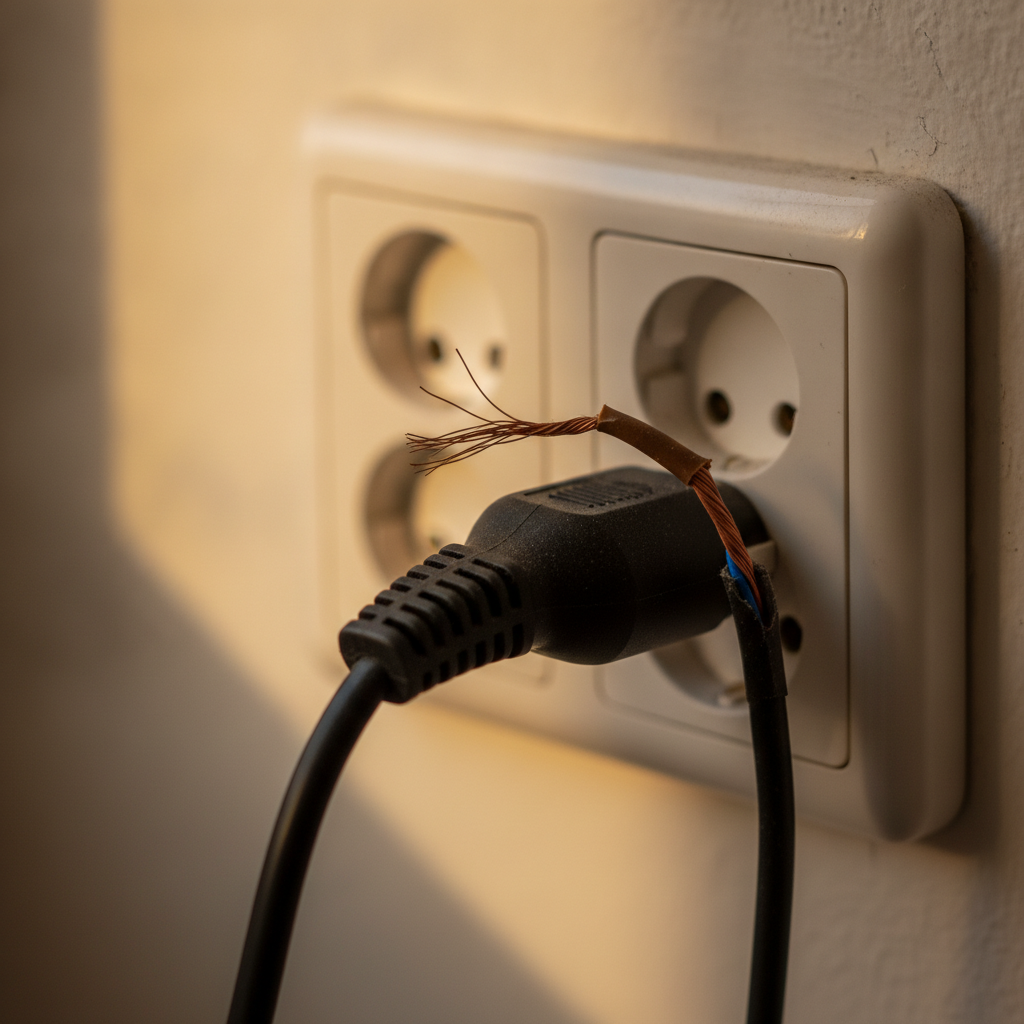
Another major risk revolves around fire safety, particularly in older properties. Over half of the UK’s housing stock is more than a century old, often containing outdated, damaged, or deteriorating electrical wiring systems. These existing circuits may not be robust enough to handle the additional load imposed by plug-in solar units.
Connecting multiple units to an already strained system dramatically increases the potential for localized overheating of cables. This scenario significantly elevates the risk of electrical fires, turning an energy-saving endeavor into a dangerous hazard for homeowners.
Quality Control, Network Impact, and Legal Liabilities
The market is rapidly being flooded with cheap plug-in solar products, and the industry groups are deeply concerned about inconsistent quality and unclear compliance requirements. Many kits are marketed with questionable design features, such as flattened cables intended to pass through door frames or small openings, which are certainly not suitable for electrical equipment.
While a DIY enthusiast might consider these convenient, a qualified electrician would immediately recognize them as major safety hazards. Such shortcuts often indicate a lack of proper engineering and rigorous testing, putting homes and occupants at unnecessary risk.
Beyond the immediate household, there are broader concerns about the stability of the electrical grid itself. Currently, network operators lack the means to effectively monitor and manage the power generated by individual plug-in solar units. This oversight could potentially impact local network capacity and overall stability, creating unforeseen challenges for infrastructure management.
Furthermore, there’s a critical question regarding how quickly microinverters would shut down in the event of a grid power outage. If these units continue to feed power into the household system when the main supply is off, it poses a significant risk to utility workers attempting to restore power.
A thorny issue that often gets overlooked in the DIY excitement is liability. Should damage occur as a result of a self-installed plug-in solar system connected to unsuitable electrical equipment, the financial repercussions could be substantial. There’s currently a distinct lack of clarity surrounding how insurers would react to such claims, leaving landlords, leaseholders, and homeowners vulnerable to significant financial risk.
User Error, Structural Integrity, and When to Call a Pro
The groups are also keenly aware of the ‘creative’ (and often dangerous) ways consumers use extension leads, adapters, and other electrical accessories. The pursuit of convenience or a cheap solution by amateur DIYers can lead to poorly routed cables, creating trip and fall hazards, or even poorly fitted solar panels on balconies that could potentially detach and fall onto busy streets below.
These seemingly minor oversights can have serious consequences, highlighting the importance of professional installation and adherence to established safety standards. The warning emphasizes that a “rushed rollout could potentially weaken confidence in the energy transition” if safety is compromised for expediency.
Separate from electrical concerns, others in the industry have pointed out that solar panels introduce additional combustible materials and new ignition sources to buildings. This is especially concerning for high-rise structures, where fire safety and evacuation routes are critical.
The added weight load of panels on balconies and external surfaces also poses a structural integrity question, particularly in older buildings not designed for such additions. The rigorous UK electrical standards, among the world’s strictest, underscore why these expert groups are so vocal about potential risks.
Similar to the challenges seen with countless subpar chargers and power banks flooding online marketplaces, the concern is that low-quality, non-compliant plug-in solar kits will proliferate, making it difficult for consumers to distinguish safe products from hazardous ones. Even with certifications like UL 3700 in the US setting a standard for plug-in solar, the fundamental concerns about installation and existing home infrastructure remain.
So, when should you call a professional electrician? If you reside in an older property, have ever noticed signs of overheating in your wiring or fixtures, purchased your kit from a less-than-reputable retailer, or simply have any doubts about the quality of your installation, it’s always best to err on the side of caution. A qualified electrician can assess your setup, ensuring peace of mind and, most importantly, the safety of your home and family.
Source: ZDNet – AI
