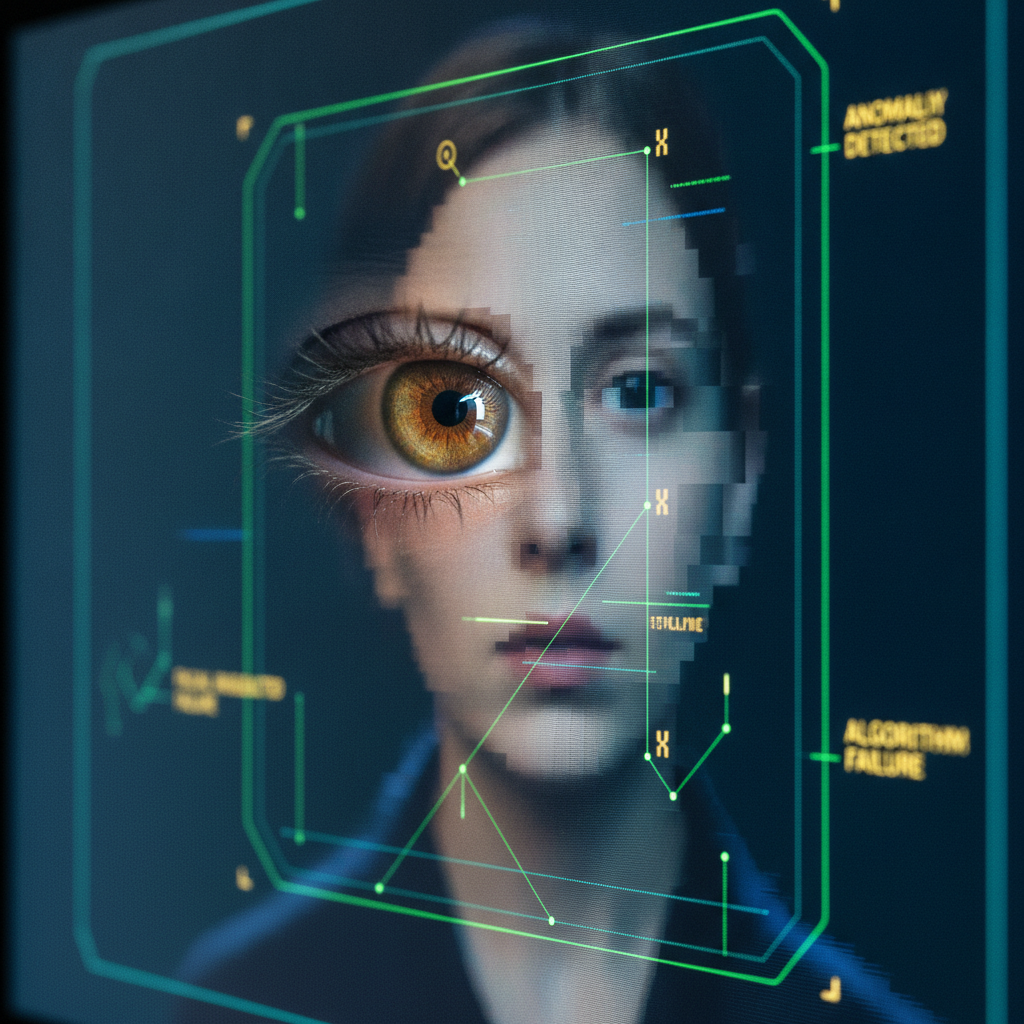
In a rare but significant victory for anti-deepfake technology, Google’s innovative SynthID system recently played a pivotal role in exposing a high-profile AI-generated hoax image. This event marks a crucial step forward in the ongoing battle against digital misinformation, showcasing the power of advanced digital watermarking.
The incident involved a disturbing picture that began circulating widely across online platforms like Reddit and X earlier this week. It purportedly depicted Kentucky Senator Mitch McConnell in a hospital bed, hooked up to tubes and appearing to be in extreme distress, sparking considerable alarm and speculation.
However, the image’s authenticity was quickly brought into question, and by Wednesday, the reputable fact-checking organization Snopes had definitively debunked it. Their investigation revealed that the image contained a unique, embedded watermark, identifiable by SynthID, confirming its artificial origin.
The Anatomy of a Deepfake Debunking
The hoax image gained traction amidst existing public concern regarding Senator McConnell’s health, which has been the subject of intense speculation since his hospitalization following an emergency call on June 14. His subsequent reduced public presence further fueled a climate ripe for misinformation, making the fake image particularly believable to many.
This situation perfectly illustrates the cunning nature of deepfakes and AI-generated content, which often leverage real-world events and public anxieties to spread fabricated narratives. Without robust detection tools, such images can rapidly erode trust and distort public perception on critical issues.
Fortunately, in this instance, the technology designed to counter such deception worked precisely as intended. The successful identification of the SynthID watermark provided irrefutable proof that the distressing image of Senator McConnell was entirely fabricated, preventing a potentially damaging wave of misinformation from escalating further.
How SynthID Protects Digital Trust
SynthID, first unveiled at Google’s I/O developer conference in 2025, operates on a sophisticated principle: embedding an invisible digital signature directly into AI-generated images. This signature is designed to be imperceptible to the human eye, ensuring it doesn’t detract from the image’s visual quality.
However, this subtle mark is readily detectable by specialized SynthID algorithms, acting as a definitive authenticity stamp. One of its most impressive features is its resilience; the watermark remains embedded even when an image is compressed, edited, or, crucially, screen-captured and shared across multiple platforms, as was the case with the McConnell hoax.
This robust persistence is critical in today’s fast-paced digital environment, where images can be shared and altered countless times within minutes. By building the signature into the very fabric of the image data, SynthID provides a reliable and durable method for verifying content origins.
Expanding the Ecosystem of AI Verification
While SynthID offers a powerful solution, its effectiveness hinges on widespread adoption by AI image generation tools. The good news is that key players in the AI landscape are increasingly integrating this technology as part of broader efforts to combat malicious content creation.
Google’s own Gemini models have incorporated the SynthID watermark since the program’s inception in 2025, setting an early standard for responsible AI deployment. Following suit, OpenAI officially joined the initiative in May 2026, signifying a growing industry-wide commitment to digital transparency.
However, the journey towards universal AI image verification is ongoing; not all major AI developers currently participate, with companies like Anthropic notably absent from the program. This highlights the ongoing need for collaborative efforts across the tech industry to create a more secure and trustworthy digital ecosystem.
For individuals and organizations looking to verify images, the process is becoming increasingly accessible. Users can currently check for SynthID watermarks either by querying a Gemini model directly or by uploading suspicious images to OpenAI’s public image verification tool.
Source: TechCrunch – AI
