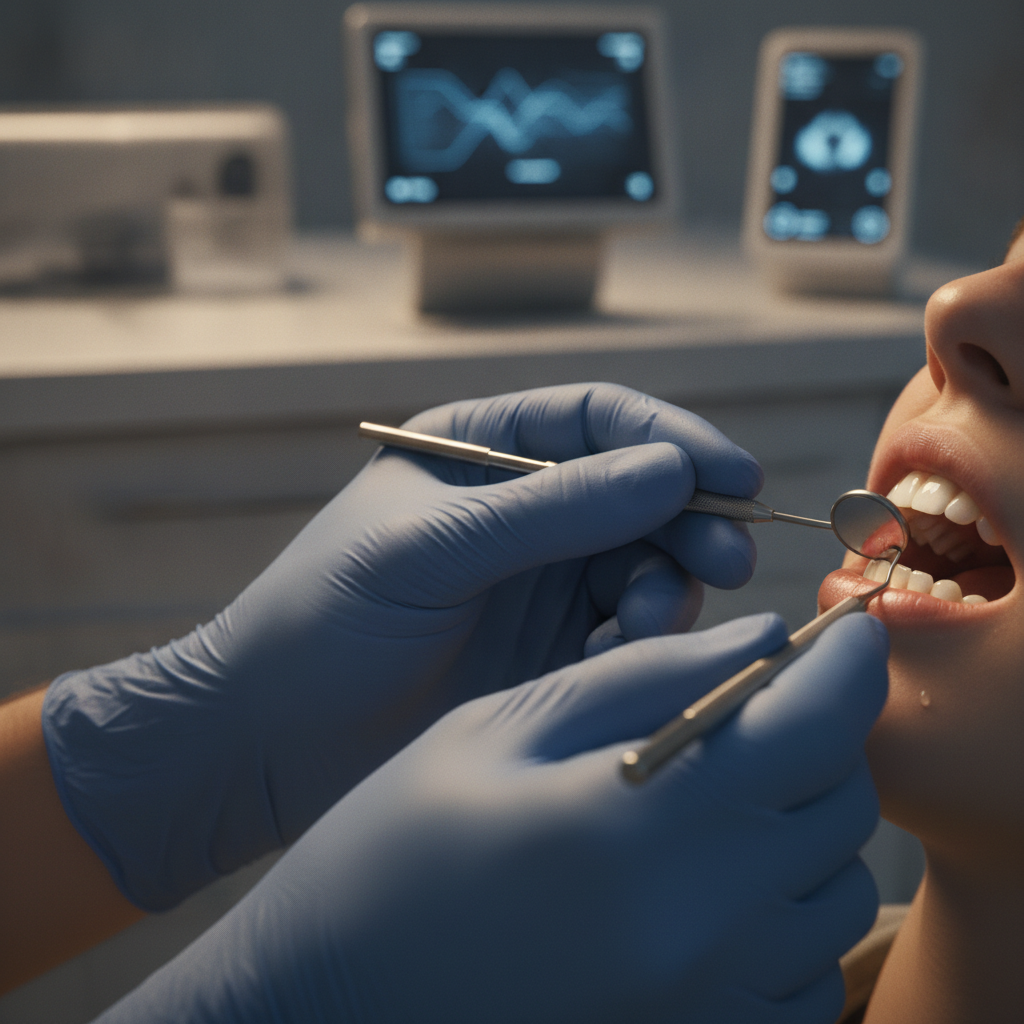
In an increasingly digital world, it’s easy to assume that artificial intelligence (AI) and search engines like Google hold the answers to everything. From health symptoms to complex diagnoses, many of us turn to our screens first. However, when it comes to something as intricate and personal as our oral health, the nuanced expertise of a real dentist remains absolutely irreplaceable.
While AI offers incredible potential for assisting medical professionals and Google provides a wealth of general information, neither can replicate the comprehensive care, tactile skill, and human empathy that define quality dentistry. Your dental health isn’t just about data points; it’s about a living, breathing individual with unique needs and anxieties.
Beyond the Screen: The Irreplaceable Human Touch in Dentistry
One of the most significant limitations of AI and general online searches is their inability to provide a truly personalized diagnosis. Google can offer generic symptom lists, but it cannot examine your mouth, interpret subtle visual cues, or detect changes in tissue texture. Similarly, even the most advanced AI lacks the sensory input—the sight, touch, and even smell—that a skilled dentist uses to identify issues like early gum disease or cavities.
A human dentist brings years of hands-on training and clinical experience to every patient interaction. They can feel for abnormalities, assess bite patterns, and understand the context of your overall health history. This nuanced, multi-sensory evaluation is crucial for accurate diagnosis and tailoring a treatment plan that fits you perfectly, something a purely data-driven system cannot achieve.
The Art and Science of Dental Procedures
Dentistry is not just a science; it’s an art form that requires exceptional manual dexterity and precision. Procedures like fillings, root canals, extractions, and cosmetic enhancements demand a steady hand, intricate motor skills, and real-time decision-making. While robots are being developed to assist in surgical procedures, the human brain’s ability to adapt, react to unexpected circumstances, and perform delicate tasks with nuanced control is unparalleled.
Imagine a complex situation during a procedure – perhaps an unexpected anatomical variation or a patient moving slightly. A human dentist can instantly adjust, improvise, and ensure patient safety with a level of intuition and responsiveness that AI systems currently lack. This complex interplay of knowledge, skill, and judgment is at the heart of effective dental care.
Empathy, Trust, and Patient-Centered Care
Perhaps one of the most undervalued aspects of a dental professional is their capacity for empathy and building trust. Many individuals experience significant dental anxiety, and a warm, understanding dentist can make all the difference. They listen to your concerns, explain procedures clearly, and offer comfort, transforming a potentially stressful experience into a manageable one.
AI, by its very nature, cannot offer genuine reassurance or understand the emotional component of pain or fear. Building a long-term relationship with a dental practice involves trust, clear communication, and a human connection. This holistic, patient-centered approach goes far beyond simply treating teeth; it’s about caring for the whole person.
Ethical Responsibility and Continuous Learning
When a dental procedure is performed, there’s an inherent ethical and legal responsibility that rests with the human practitioner. In the event of an error or unforeseen complication, the dentist is accountable. The legal framework and societal expectations around AI’s accountability in complex medical procedures are still in their infancy, posing significant challenges.
Furthermore, dentistry is an evolving field, with new research, techniques, and technologies emerging constantly. While AI can process vast amounts of data, a human dentist engages in continuous professional development, critical thinking, and clinical judgment to integrate new knowledge effectively into their practice. They don’t just apply rules; they understand the ‘why’ behind them and adapt accordingly for each unique patient.
Ultimately, while AI and digital tools will continue to enhance diagnostics, imaging, and administrative tasks within dentistry, they will always serve as powerful assistants, not replacements. The intricate blend of personalized diagnosis, skilled manual execution, empathetic care, and ethical responsibility provided by a real dentist ensures optimal oral health and well-being, confirming their indispensable role for the foreseeable future.
Source: Google News – AI Search
