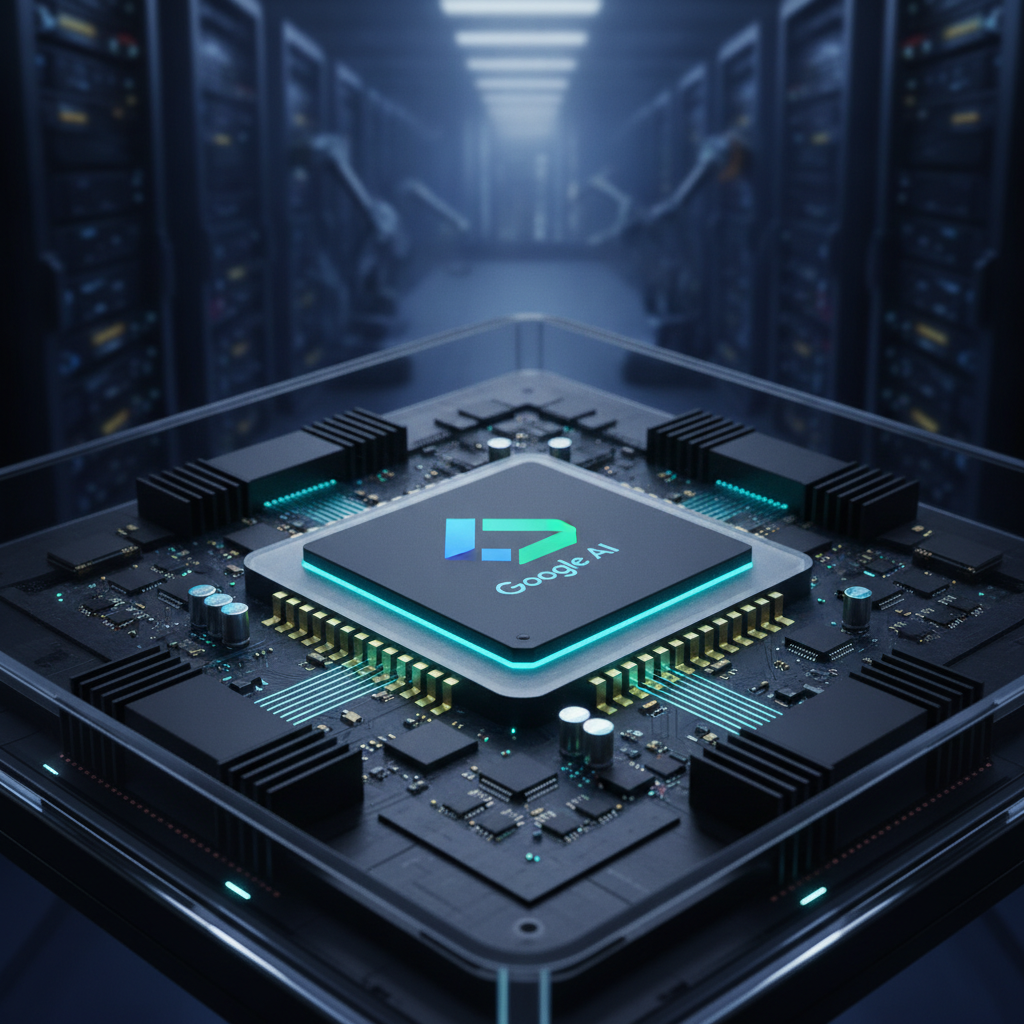
The artificial intelligence boom has ignited an unprecedented demand for powerful computing hardware, with companies scrambling to secure the chips necessary to train and deploy their advanced AI models. Amidst this frenzy, a familiar tech giant is making a bold move: Google is actively pitching its custom AI chips, known as Tensor Processing Units (TPUs), directly to cloud upstarts and smaller service providers. This strategic push marks a significant escalation in Google’s efforts to carve out a larger share of the AI infrastructure market, setting it on a collision course with the current market leader, Nvidia.
For years, Nvidia’s powerful GPUs, particularly its A100 and newer H100 models, have been the undisputed champions of AI workloads. Their performance and widespread adoption have given Nvidia a near-monopoly in the high-end AI chip space, leading to sky-high prices and supply constraints. Google’s initiative aims to provide a compelling alternative, leveraging its homegrown technology to empower a broader ecosystem of AI innovators.
Google’s Strategic Play: Unleashing TPUs
Google developed its Tensor Processing Units specifically for accelerating machine learning tasks, making them highly optimized for training and inference for neural networks. Unlike general-purpose GPUs, TPUs are designed from the ground up to handle the unique demands of AI, offering specialized architecture that can deliver significant performance benefits for specific workloads. By making these powerful chips more accessible, Google is not just selling hardware; it’s offering a complete ecosystem tailored for AI development.
The company is reportedly engaging directly with smaller cloud providers, offering technical support, resources, and potentially more attractive pricing models to integrate TPUs into their offerings. This direct approach helps these upstarts bypass the prohibitive costs and availability issues often associated with acquiring large quantities of high-end Nvidia GPUs. It’s a calculated move to democratize access to cutting-edge AI infrastructure.
Why Cloud Upstarts are the Perfect Target
Smaller cloud providers and tech upstarts often operate on tighter budgets and require flexible, scalable solutions without the massive upfront investment typically associated with enterprise-grade AI hardware. Google’s TPUs present an ideal solution, offering a pathway to powerful AI capabilities that might otherwise be out of reach. These companies can then offer their customers specialized AI services, fostering innovation across various industries.
- Cost-Effectiveness: TPUs can potentially offer a more cost-efficient alternative to Nvidia’s top-tier GPUs, especially when considering the total cost of ownership for specific AI workloads.
- Specialized Performance: For applications heavily reliant on TensorFlow and other Google AI frameworks, TPUs often provide superior performance due to their purpose-built architecture.
- Ecosystem Integration: Access to Google’s extensive cloud ecosystem, including its AI platform services and developer tools, enhances the value proposition for these smaller players.
By empowering these burgeoning companies, Google not only expands the reach of its TPU technology but also nurtures a new generation of AI-driven businesses. This strategy could lead to a more diverse and competitive landscape in the cloud computing market, benefiting end-users with more choices and potentially lower prices for AI services.
Challenging Nvidia’s Dominance in AI Chips
Nvidia’s dominance in the AI chip market is undeniable, driven by its powerful GPUs and its CUDA software platform, which has become a de facto standard for many AI developers. However, Google’s aggressive push with TPUs signifies a serious challenge to this established order. By focusing on cloud upstarts, Google is targeting a segment that is eager for alternatives and less entrenched in existing hardware ecosystems.
The current landscape of high demand and limited supply for Nvidia’s cutting-edge chips like the H100 provides a unique opening for Google. Many companies are desperate for any high-performance AI hardware they can get their hands on, and TPUs offer a credible, powerful, and potentially more accessible option. This competition could ultimately drive innovation and make AI hardware more available and affordable across the board.
The Future of AI Infrastructure
Google’s direct engagement with cloud upstarts is more than just a sales pitch; it’s a strategic move to shape the future of AI infrastructure. As AI continues to permeate every industry, the demand for specialized, efficient, and scalable computing power will only grow. By championing its TPUs, Google is not only aiming for a bigger slice of the AI chip pie but also fostering a more diverse and competitive market.
This increased competition can only be a good thing for the broader AI community. It means more choices for developers, more innovation in chip design, and potentially lower barriers to entry for companies looking to leverage advanced AI capabilities. The battle for AI chip supremacy is heating up, and Google’s TPUs are set to play a significant role in defining the next generation of artificial intelligence.
Source: Google News – AI Search
