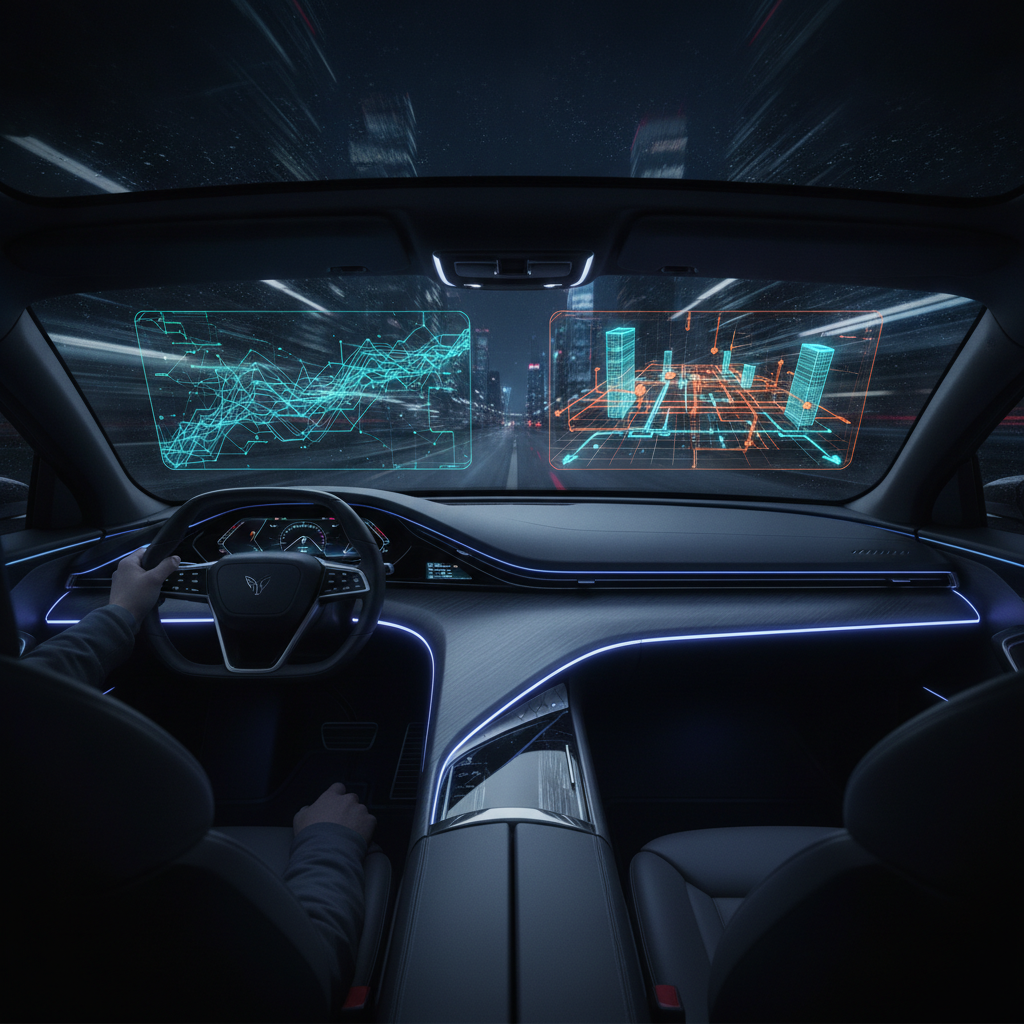
Waze, the beloved community-driven navigation app, is gearing up for a significant upgrade, integrating powerful new AI features. This strategic move aims to sharpen its competitive edge against industry giants like Google Maps, promising a more intelligent and personalized driving experience. Drivers can anticipate enhancements that go beyond traditional routing, leveraging artificial intelligence to transform daily commutes.
Navigating the Competitive Landscape with AI
The digital navigation space is fiercely competitive, with users demanding ever-increasing accuracy, real-time insights, and convenience. While Waze has long stood out for its unparalleled crowd-sourced traffic and hazard reports, Google Maps has consistently pushed boundaries with its sophisticated AI capabilities. This new AI push by Waze signals a clear intent to not only maintain its unique community spirit but also to elevate its technological prowess.
The integration of artificial intelligence isn’t merely about adding new bells and whistles; it’s about refining the core navigation experience. AI can process vast amounts of data much faster and more effectively than traditional algorithms, leading to more accurate predictions and proactive assistance. For Waze users, this translates into smoother journeys and fewer unexpected delays.
Waze’s strength has always been its vibrant community of drivers, who actively report everything from speed traps to potholes. Imagine combining this real-time human intelligence with the predictive power of AI. The result could be a navigation system that doesn’t just react to current conditions but intelligently anticipates future traffic patterns and potential road hazards, giving drivers an unprecedented advantage.
Unpacking Waze’s Anticipated AI Innovations
While specific details on all upcoming features are still emerging, we can expect Waze to harness AI in several key areas, amplifying its existing strengths and introducing entirely new functionalities. These innovations are designed to make every drive more efficient, safer, and less stressful. The focus will likely be on predictive analytics, personalized routing, and enhanced user interaction.
- Predictive Traffic Modeling: AI will delve deeper into historical traffic data, local event schedules, and even weather patterns to offer more precise ETA predictions and suggest optimal departure times. This goes beyond current traffic, looking at how conditions might evolve in the near future.
- Enhanced Hazard Detection and Verification: Leveraging AI to analyze multiple user reports, alongside anonymized sensor data from connected vehicles, Waze could more quickly verify and prioritize alerts for accidents or road obstructions. This means more reliable information reaching drivers faster, improving overall road safety.
- Personalized Routing and Preferences: AI could learn individual driver preferences, such as avoiding highways, favoring scenic routes, or consistently choosing routes with fewer left turns, and automatically integrate these into suggestions. Imagine routes tailored not just for speed, but for your specific driving style and comfort.
- Smarter Voice Commands and Natural Language Processing: Expect more sophisticated voice control that understands complex requests and allows for more natural interaction with the app without taking your hands off the wheel. This significantly enhances both safety and convenience on the road.
- Dynamic Lane Guidance: AI could provide more intelligent and timely lane recommendations, especially in complex intersections or highway merges, reducing confusion and last-minute lane changes. This feature aims to make navigating intricate road networks much simpler and less stressful.
- AI-Powered Parking Assistance: Beyond simply finding parking lots, Waze’s AI might predict parking availability based on time of day, local events, and historical data, guiding drivers to open spots more efficiently. This tackles one of the most frustrating aspects of urban driving, saving precious time.
AI: Amplifying the Community’s Voice
One of the most exciting aspects of Waze’s AI integration is how it will likely complement, rather than replace, its cherished community aspect. The strength of Waze has always been its users, who act as vigilant eyes and ears on the road, providing invaluable real-time data. AI can now provide a powerful layer of intelligence atop this human input.
AI algorithms can help filter out erroneous reports, consolidate similar incidents, and even identify emerging patterns from collective user data that a human might miss. This means that the crowd-sourced information, which Waze is famous for, becomes even more accurate and actionable. Essentially, it’s a synergy where human observation meets machine intelligence for superior navigation outcomes.
Furthermore, AI can personalize the way information is delivered to each driver. For example, a frequent commuter might receive different types of alerts or routing suggestions than someone on a casual weekend trip. This level of customization ensures that the most relevant and timely information reaches the right driver at the right moment, making Waze feel truly intuitive and tailored.
Waze’s foray into advanced AI capabilities marks an exciting new chapter for the popular navigation app. By intelligently weaving artificial intelligence into its proven crowd-sourced model, Waze is poised to deliver a next-generation driving experience. This move is a clear signal that the company is committed to pushing the boundaries of what a navigation app can offer, keeping users ahead of traffic.
As drivers continue to rely on navigation apps for daily commutes and road trips, the battle for supremacy will increasingly be fought on the grounds of predictive intelligence and personalized assistance. Waze’s AI advancements promise to keep it a formidable contender, offering users smarter, safer, and more efficient journeys on the ever-changing roads. The future of navigation just got a whole lot more intelligent and user-centric.
Source: Google News – AI Search
