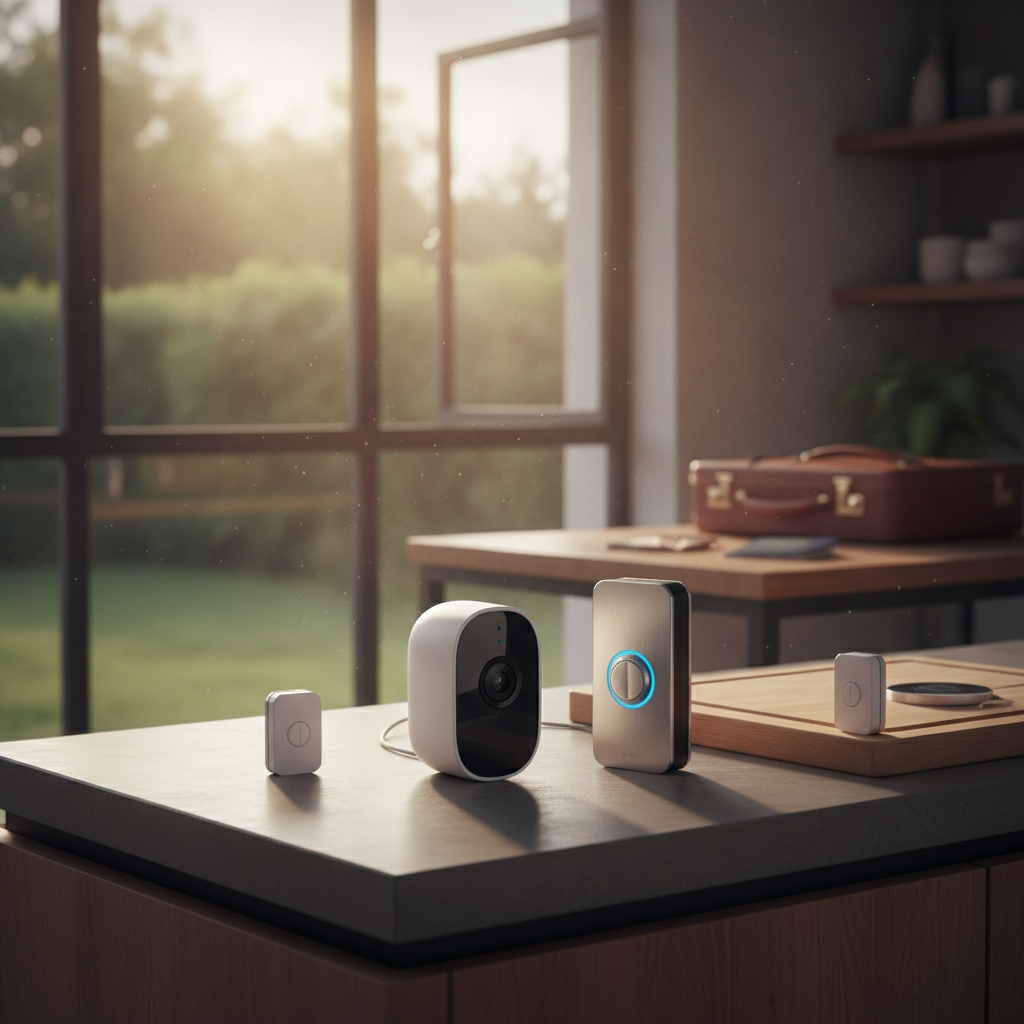
As much as we love the excitement of travel, there’s always that nagging feeling about leaving your home unattended. From the mischievous antics of burglars in movies like Home Alone to the disastrous property woes of The Money Pit, the imagination can run wild with potential problems. Whether it’s an unexpected pipe burst or a forgotten appliance, a small oversight can quickly escalate into a major issue while you’re away.
That’s why a little proactive smart home preparation goes a long way in ensuring your property remains safe and sound until you return. While every household is unique, leveraging smart technology and some good old-fashioned habits can significantly boost your home’s security and resilience. We’ve gathered some of the most effective strategies, tailored to help you make smarter decisions about protecting your space.
Before diving in, it’s important to understand how we bring you these recommendations. At ZDNET, our advice is the result of extensive testing, research, and diligent comparison shopping. We meticulously gather data from reputable sources, including vendor specifications, retailer listings, and comprehensive independent reviews.
We also delve into countless customer reviews to truly grasp what matters most to real people who own and use these products and services. While we may earn affiliate commissions when you purchase through our links, this supports our work without influencing our editorial content or the price you pay. Our commitment is to our readers, ensuring our content is accurate, unbiased, and free from advertiser influence.
Making Your Home Look Lived-In
One of the easiest and most effective deterrents against burglars is making your home appear occupied, even when it’s not. Surprisingly, most burglaries actually occur during the summer months – June, July, and August – and often during daylight hours. What’s more concerning is that nearly three-quarters of burglaries happen when no one is home, and almost 4 out of 10 don’t even involve forcible entry.
This is where smart plugs and smart lightbulbs become your best friends. By connecting lamps and even a TV to these devices, you can program them to switch on and off at various times, simulating a bustling household. The key is to create an irregular schedule; avoid having everything power on precisely at 7 p.m. and off at 11 p.m., as this predictability can be a giveaway.
For reliable performance, we often recommend smart plugs and power strips from brands like TP-Link Tapo. Their user-friendly interfaces make scheduling easy, giving you full control from anywhere in the world. A truly random lighting pattern can make a would-be intruder think twice.
Enhancing Smart Home Monitoring & Access
Your security cameras and video doorbells are your eyes and ears when you’re away, so ensure they’re ready for duty. Always remember to fully charge any battery-powered devices before you leave to prevent them from going offline prematurely. Double-check that all outdoor cameras and video doorbells are reliably connected to your Wi-Fi network and configured to send alerts directly to your phone, rather than just recording locally.
For an even lower-maintenance solution, consider fitting a small solar panel to your outdoor devices. This simple addition can keep them continuously charged, providing uninterrupted surveillance without you lifting a finger. If you have a smart lock, leverage its advanced features to simplify access for trusted individuals like neighbors or pet sitters.
Instead of leaving a hidden key, you can generate temporary keys or one-time access codes. This method offers superior security; there’s no physical key to lose, and you can easily revoke access the moment you return home, ensuring peace of mind. Excellent smart lock options are available from reputable brands such as Yale, Eufy, and TP-Link.
Protecting Against Unseen Disasters
While visible threats are a concern, insidious dangers like water damage can be even more destructive and costly. Water damage insurance claims are incredibly common—roughly three times more frequent than claims for theft and fire combined. Insurers are also notoriously keen to deny claims if there’s any hint of negligence, such as turning off the heating in winter or ignoring a minor leak.
Investing in leak sensors is a smart move for any homeowner. These come in various forms, from small puck-like sensors that detect water on the floor to ultrasonic clamps that monitor pipes for unusual flow patterns. For ultimate protection, a remote water shut-off valve, like those from Moen, can automatically cut off your home’s water supply at the first sign of trouble.
Strategically place puck or clamp sensors near high-risk areas such as water heaters, laundry machines, and behind toilets. While these send helpful notifications, a remote shut-off valve offers immediate damage prevention, and some insurers even provide discounts for having one installed. Additionally, don’t forget your thermostat: rather than turning it off completely, set it to a minimum of 55°F (12°C). This prevents pipes from freezing and bursting, a common cause of costly water damage that insurers often use to deny claims.
Final Checks for Complete Peace of Mind
Beyond smart devices, a few fundamental steps can significantly enhance your home’s security. First, ensure your router is secured with a strong, unique password – not the default one printed on the device. For guests or temporary visitors, set up a dedicated guest Wi-Fi network, keeping your main network private and secure. If you have a UPS or portable power station, connecting your router to a battery backup provides uninterrupted internet access, which is crucial for all your smart home devices.
For valuable items that might be easily moved, like your car, e-bike, or even your beloved pets, consider attaching tracker tags. Devices like the Apple AirTag or Chipolo Loop offer an excellent way to keep tabs on important possessions, providing reassurance while you’re away. You can even attach a tracker tag to keys given to house-sitters, preventing them from being misplaced.
Finally, perform a thorough walk-through of your home. Unplug non-essential electronics such as chargers, power banks, and power tool batteries. This not only saves a minuscule amount of energy but, more importantly, reduces the risk of an electrical fault causing a fire. Make sure all extension cords are unplugged and all appliances are switched off at the wall.
Remember that statistic about 4 out of 10 burglaries not involving a break-in? Don’t become a statistic. Double-check that every window, door, and garage door is fully shut and securely locked. Extend this diligence to sheds and outbuildings as well, ensuring everything is buttoned up tight for your return.
Source: ZDNet – AI
