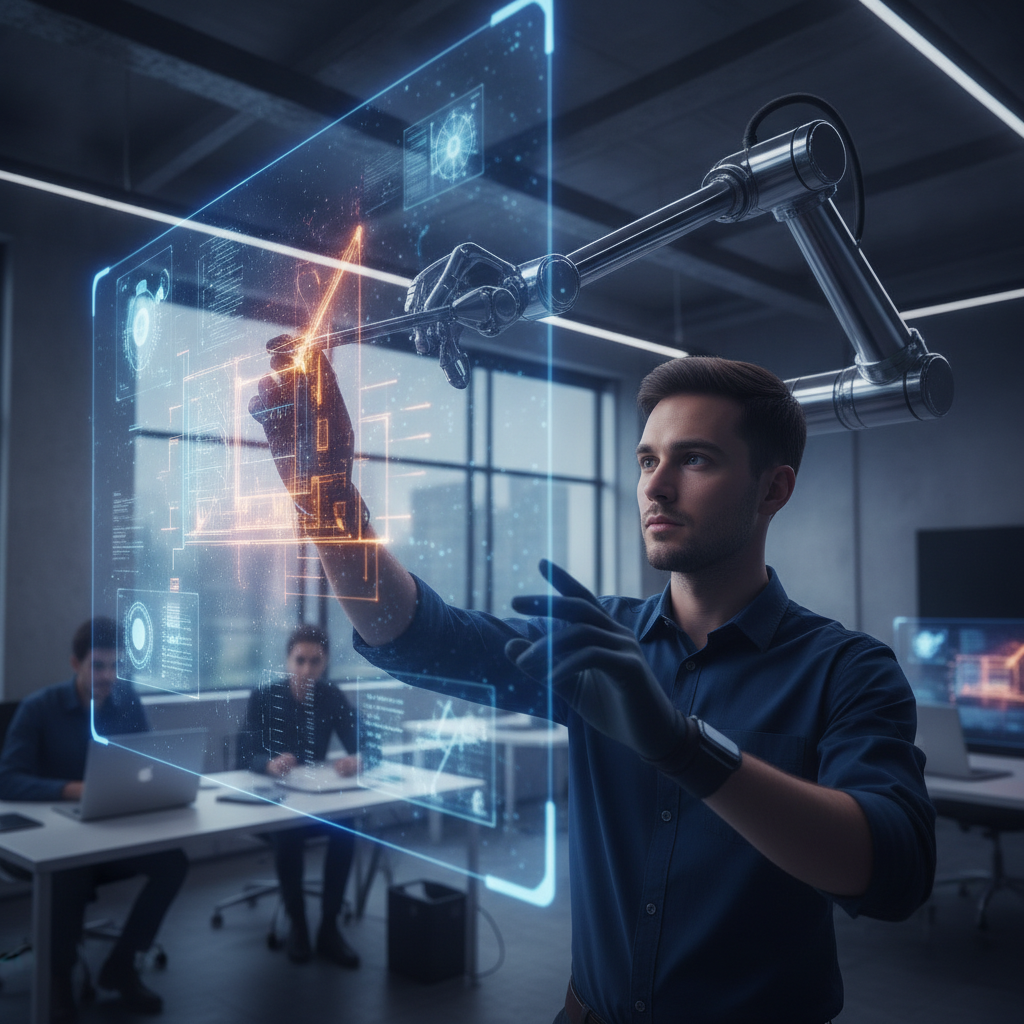
The digital revolution has ushered in an era where artificial intelligence is increasingly intertwined with the creative arts. From film studios exploring AI tools to music platforms redefining royalty structures, the entertainment industry is grappling with the profound implications of this technology. This ongoing dialogue sparks both excitement and apprehension among creators and consumers alike.
Recent developments across Hollywood and the music world highlight this tension, with major players taking divergent stances. These instances underscore the complex journey ahead as humanity and robots navigate a shared creative landscape, prompting crucial conversations about artistic integrity, compensation, and the very definition of creativity.
Navigating the AI Frontier: A24’s Google Collaboration
One of the most recent headlines involves independent film studio A24, which has reportedly inked a significant deal with Google for AI development. This partnership has naturally stirred considerable debate, raising questions about the role of AI in creative content production. A24, known for its critically acclaimed and artist-driven films, found itself in the spotlight as details of the agreement emerged.
In response to the growing discussion and some backlash, A24 has publicly defended its collaboration with Google. The studio emphasized that the agreement centers on exploring AI applications for internal, workflow-based tools, rather than directly generating creative content or replacing human artists. They aim to leverage AI to enhance efficiency and assist their creative teams, ensuring the human element remains at the core of their filmmaking process.
The studio clarified that their intention is to empower filmmakers, writers, and artists, not to diminish their contributions. They envision AI as a supportive technology, streamlining mundane tasks and freeing up creative professionals to focus on artistic innovation. This defense highlights a common theme in the AI debate: the distinction between AI as a tool for augmentation versus AI as a replacement for human creativity.
The Irreplaceable Human Element: A Performer’s Perspective
As discussions around AI’s capabilities intensify, veteran actor Kevin Spacey has weighed in with a strong stance on its limitations in performance. Spacey recently articulated his firm belief that artificial intelligence, despite its advancements, can never truly replicate the nuanced artistry of human acting. He emphasized that the emotional depth and spontaneous improvisation inherent in a live performance are beyond AI’s current reach.
Spacey’s perspective resonates deeply within the acting community, where the unique human ability to convey complex emotions and connect with an audience is paramount. He highlighted that true acting involves a profound understanding of the human condition, empathy, and the ability to react authentically in the moment. These qualities, he argues, stem from lived experience and consciousness, which AI fundamentally lacks.
His comments serve as a powerful reminder of the irreplaceable value of human talent in the creative arts. While AI can simulate expressions or generate scripts, the genuine magic of a performance, imbued with an actor’s soul and interpretation, remains a distinctly human endeavor. This ongoing conversation underscores the vital role of human artists in an increasingly automated world.
Protecting Artists: Tidal’s Stand and Madonna’s Insights
The music industry is also grappling with the implications of AI, particularly concerning artist compensation and intellectual property. In a landmark move, the streaming platform Tidal has announced a definitive ban on AI-generated content from receiving royalties. This policy aims to safeguard the earnings of human artists and ensure that financial benefits are directed towards original, human-created music.
Tidal’s decision reflects a growing industry concern about the potential for AI-generated tracks to flood streaming services, diluting royalty pools and unfairly competing with human artists. By implementing this ban, Tidal is taking a proactive step to protect its community of artists and maintain the integrity of its platform. This move sets a precedent for how streaming services might approach AI-generated music in the future.
Further underscoring the complexities, pop icon Madonna has voiced her own skepticism regarding algorithms and their influence on artistic discovery. She questioned the current algorithmic models that often dictate what content users see, suggesting they might stifle creativity and limit exposure to diverse voices. Madonna’s concerns highlight a broader critique of how technology shapes our consumption of art.
Her observations touch upon the “filter bubble” effect, where algorithms can inadvertently create echo chambers, potentially narrowing artistic tastes rather than broadening them. She advocates for systems that prioritize genuine artistic merit and human connection over mere engagement metrics. This critical perspective from a legendary artist adds significant weight to the ongoing debate about technology’s impact on creative expression and audience engagement.
The convergence of AI and entertainment presents a multifaceted challenge, prompting both innovation and critical reflection. From studios exploring new tools to artists defending their creative space, the industry is navigating uncharted waters. The ongoing dialogue emphasizes the need to balance technological advancement with the preservation of human creativity, ensuring that AI serves as an augmentative force rather than a reductive one.
Source: Google News – AI Search
