Every major economy worldwide is grappling with a profound and urgent challenge: the skyrocketing electricity demands of artificial intelligence. AI models, from their initial training phases to continuous inference, are consuming power at a rate that current electrical grids were simply never designed to sustain. This unprecedented energy appetite is creating significant strain, pushing infrastructure to its limits and driving up costs.
In the United States, for instance, capacity market prices within PJM, the nation’s largest grid operator, have surged more than tenfold in just two years. A primary culprit identified for this dramatic increase is the explosive growth of data centers, the physical backbone of our AI-driven world. This trend isn’t isolated; it’s a global phenomenon demanding innovative solutions and strategic foresight.
AI’s Insatiable Appetite: A Looming Grid Crisis
The rise of generative AI and large language models has fundamentally reshaped our understanding of computational power and, consequently, energy consumption. Training a single advanced AI model can consume as much electricity as thousands of homes over several months. This isn’t just about running computers; it’s about powering vast server farms, sophisticated cooling systems, and intricate network infrastructure 24/7.
As more industries integrate AI into their operations, the demand for these data centers will only intensify, placing immense pressure on aging electrical grids. Many grids already struggle with fluctuating demand, integrating renewable sources, and decades of underinvestment in modernization. The sheer speed at which AI adoption is accelerating outpaces the traditional, slow-moving development cycles of energy infrastructure.
The financial implications are also stark. The dramatic price hikes witnessed in regions like PJM underscore a critical market imbalance. Utilities and grid operators are scrambling to ensure sufficient generating capacity, but the lead time for building new power plants or upgrading transmission lines is typically years, if not decades, long. This creates a bottleneck that directly impacts energy prices and reliability for businesses and consumers alike.
China’s Bold AI-Powered Solution for Renewable Energy
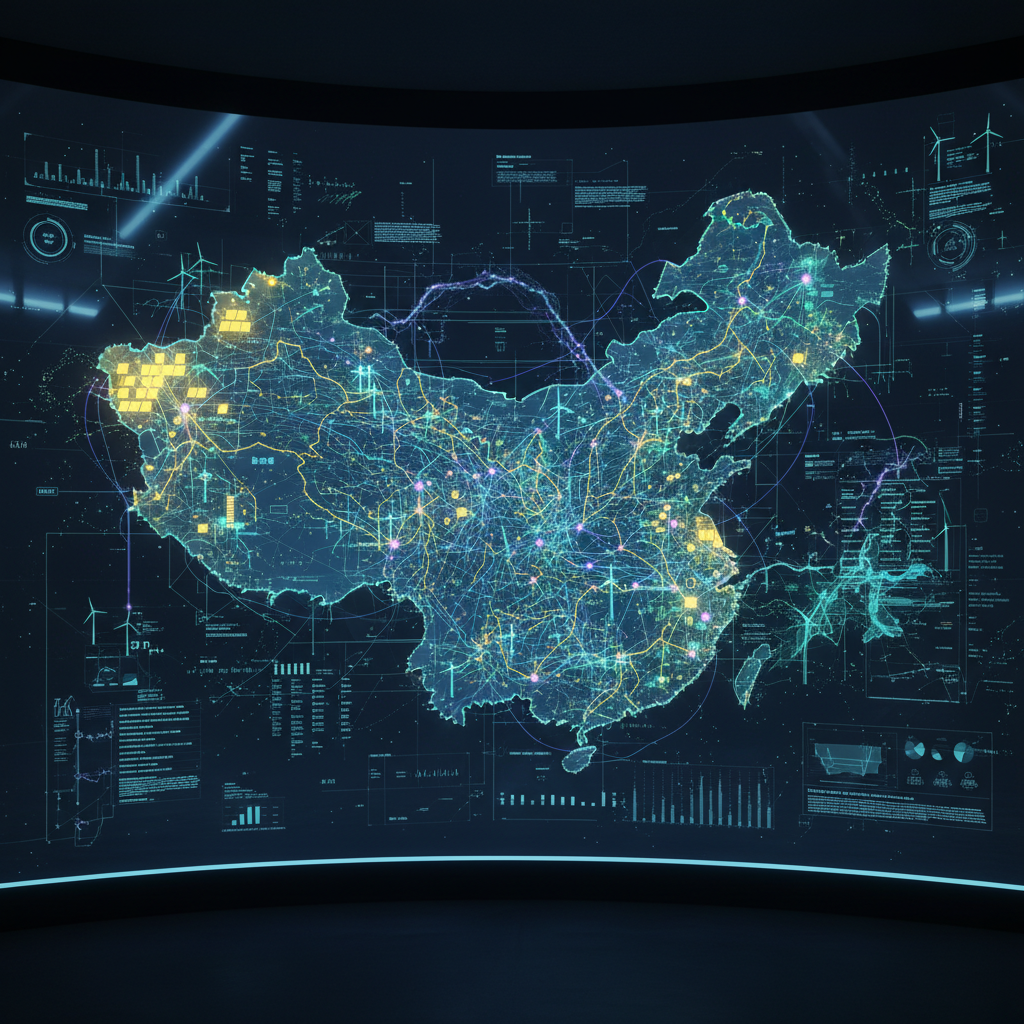
Amidst this global energy crunch, one nation is pioneering a truly innovative approach: China. Leveraging its prowess in artificial intelligence, China has recently completed an ambitious project to map its entire renewable energy grid using AI. This isn’t merely an inventory; it’s a comprehensive, dynamic digital twin of its vast clean energy infrastructure.
The undertaking involved sophisticated AI algorithms analyzing petabytes of data, including high-resolution satellite imagery, geographical information, and operational data from thousands of renewable energy installations. From sprawling solar farms stretching across deserts to towering wind turbines dotting vast landscapes, the AI system meticulously identified, located, and characterized every component. This unprecedented level of detail provides an unparalleled view of China’s renewable assets.
By using AI to create this detailed map, China gains critical insights into the real-time status, potential output, and geographic distribution of its renewable energy sources. This intelligence is crucial for optimizing grid stability, planning future expansion, and efficiently integrating new clean energy projects into the national power system. It represents a paradigm shift from reactive grid management to proactive, data-driven energy stewardship.
Why the World Needs to Pay Attention
China’s achievement offers a powerful blueprint for other nations facing similar energy dilemmas. The ability to precisely understand and manage a complex renewable energy landscape through AI is no longer a futuristic concept but a proven, impactful strategy. For countries committed to decarbonization and smart grid development, this AI-powered mapping technique presents a vital pathway forward.
Implementing such a system can dramatically accelerate the integration of intermittent renewable sources like solar and wind, which historically pose challenges for grid stability. With an AI-mapped grid, operators can better predict energy supply, anticipate demand fluctuations, and make more informed decisions about energy storage and transmission. This leads to a more resilient, efficient, and cleaner energy ecosystem.
The lessons from China extend beyond mere mapping; they highlight the critical role AI can play in achieving sustainable energy security in the age of digital transformation. Other nations should consider developing similar AI-driven tools to:
- Optimise Grid Performance: Improve efficiency and reduce losses by understanding the precise location and output of every renewable asset.
- Accelerate Renewable Integration: Strategically plan new solar, wind, and hydro projects, ensuring they seamlessly connect to the existing grid.
- Enhance Grid Resiliency: Better predict and respond to potential disruptions, ensuring a stable power supply even with a high penetration of variable renewables.
- Inform Policy and Investment: Provide data-backed insights for policymakers to make smarter investments in energy infrastructure and clean technology.
As AI continues its rapid expansion, so too will its energy footprint, making innovative solutions like China’s AI-mapped grid indispensable. The global energy crisis fueled by AI’s appetite demands a proactive and intelligent response. Embracing advanced AI for grid management and renewable energy optimization is not just an option; it’s a necessity for a sustainable future.
Source: AI News
