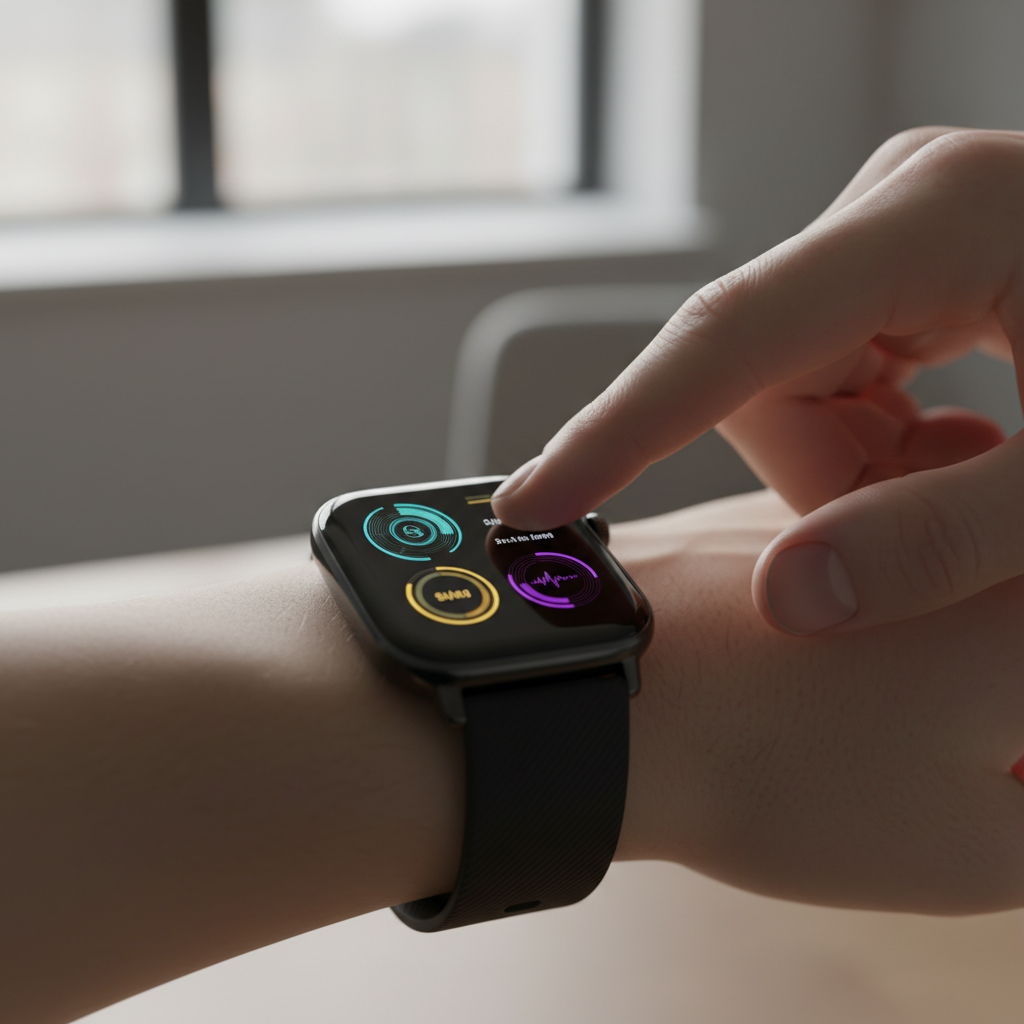
The Apple Watch has revolutionized how we monitor our health and fitness, bringing sophisticated iPhone-like capabilities right to our wrists. From tracking daily activity to meticulously recording workouts, this wearable tech provides invaluable insights into your movement patterns, heart rate, and calorie expenditure. It’s a powerful tool for anyone looking to stay on top of their exercise and recovery.
While Apple invests heavily in research and development to ensure its health trackers are as precise as possible, there’s a simple, hidden setting that can significantly boost your **Apple Watch’s workout accuracy**. This often-overlooked feature, known as calibration, can make your fitness data even more personalized and reliable. Let’s dive into how to unlock this improved precision and why it’s a game-changer for your fitness journey.
Unlocking Peak Performance: The Power of Apple Watch Calibration
Calibrating your Apple Watch essentially tailors its tracking capabilities to your unique body and movement style. Think of it like getting your clothes custom-fitted; once calibrated, your Apple Watch will ‘fit’ your exercise data much better. This personalization means metrics like **distance, pace, and calories burned** become significantly more accurate, providing a truer reflection of your efforts.
This “tailored fit” is especially critical when you’re exercising in areas with limited GPS signal, such as a densely wooded park or an urban canyon. A calibrated Apple Watch can more accurately estimate your stride and progress, even when direct satellite contact is spotty. This enhances the reliability of your data, ensuring you get consistent feedback regardless of your workout environment.
According to Apple, regular calibration also refines your overall distance, pace, and calorie measurements. This improved data quality is incredibly helpful if you’re meticulously tracking your fitness progress, training for a race, or monitoring your calorie intake and expenditure. It empowers you with highly accurate information to make smarter decisions about your health and fitness goals.
Our Commitment to Trusted Tech Advice
At ZDNET, our recommendations are built on a foundation of rigorous, independent testing and extensive research. We dedicate countless hours to evaluating products, gathering data from top vendors, retailers, and trusted review sites. Crucially, we also pore over real customer reviews to understand what truly matters to people who use these products every day.
Transparency is paramount to us, which is why we disclose that when you purchase through our links, we may earn **affiliate commissions**. However, this never influences what we cover, how we cover it, or the price you pay. Our editorial team operates under strict guidelines, ensuring our content is always objective and never swayed by advertisers.
Our primary goal is to serve you, our reader, by providing the most accurate information and knowledgeable advice possible. Every article undergoes thorough review and fact-checking to meet the highest standards of journalistic integrity. Should we ever make an error, we are committed to correcting or clarifying the content promptly, because your trust is our most valuable asset.
Step-by-Step: Optimizing Your Apple Watch for Precision Workouts
Calibrating your Apple Watch is a straightforward process that starts with a few adjustments on your iPhone. These initial steps ensure seamless communication between your devices, laying the groundwork for improved accuracy. By enabling the correct privacy settings, you allow your Apple Watch to collect the necessary data to learn your unique movements.
- Open your iPhone’s Settings app.
- Tap on Privacy & Security, then select Location Services.
- Ensure Location Services is toggled on.
- Scroll down on the same page and tap on System Services.
- Enable both Motion Calibration & Distance.
Once your iPhone settings are configured, it’s time for the actual calibration workout. Find a flat, outdoor area with a strong GPS signal – you can typically verify this by checking if a blue dot appears for your location in Google Maps. This clear signal is crucial for your Apple Watch to accurately map your movement patterns.
Open the Workout app on your Apple Watch and select either Outdoor Walk or Outdoor Run. Now, walk or run at your average pace for approximately **20 minutes**. If you regularly engage in both walking and running, it’s recommended to perform this 20-minute calibration for each activity separately to ensure comprehensive data collection.
As Apple explains, “Whenever you walk or run outside using the above steps, your Apple Watch continues to calibrate the accelerometer by learning your stride length at different speeds.” This means your device isn’t just taking a one-time snapshot; it’s continually refining its understanding of your movements, making your tracking more precise over time.
Maintaining Your Apple Watch’s Fitness Accuracy
Your Apple Watch is designed to continuously learn and adapt, consistently refining its understanding of your stride length and movement patterns during outdoor activities. This ongoing calibration ensures your fitness data remains personalized and accurate, reflecting any changes in your fitness level or workout routine. The more you use it with proper calibration, the smarter it becomes.
However, if you ever feel your fitness data has become inaccurate or you want to start fresh, you can easily reset your Apple Watch’s fitness calibration data. This simple action allows the device to begin the learning process anew, which can be beneficial after significant changes in your training or if you’ve been experiencing inconsistent readings. To do this, open the Watch app on your iPhone, tap Privacy, and then select Reset Fitness Calibration Data.
Source: ZDNet – AI
