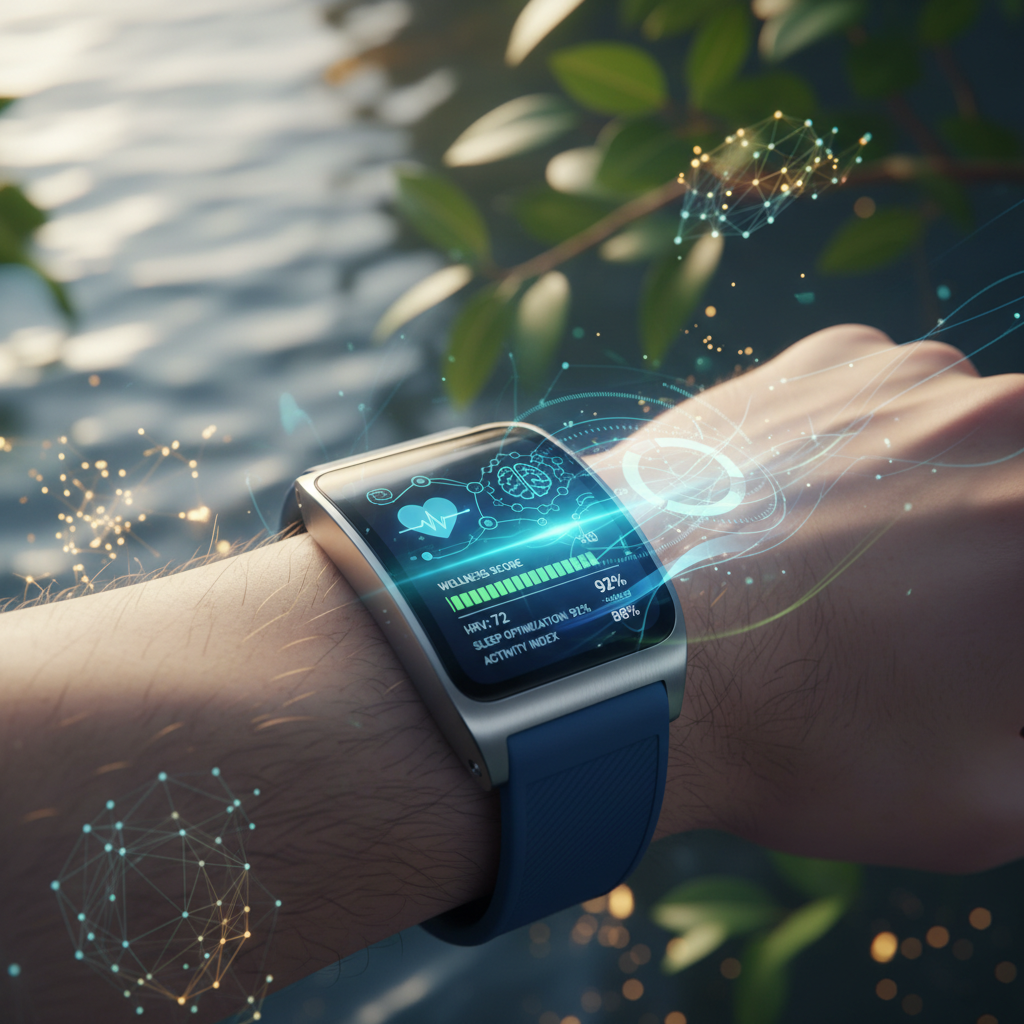
A significant shift is underway in the world of digital health and wearable technology. Google has announced a major rebranding, transitioning the popular Fitbit app into “Google Health.” This move is far more than just a name change; it signals a strategic pivot by Google to integrate its artificial intelligence capabilities deeply into personalized wellness, aiming to revolutionize how we manage our health data.
For millions of users who rely on Fitbit devices and its accompanying app to track everything from steps to sleep, this rebranding marks a new era. It underscores Google’s commitment to becoming a central player in the booming health tech sector, leveraging its vast resources and AI expertise to offer more comprehensive and intelligent health solutions.
Your Digital Health Gets a New Home: Google Health
The transition from “Fitbit” to “Google Health” is designed to create a unified and more powerful ecosystem for personal wellness. While the beloved Fitbit hardware will continue to operate, the software experience will now be housed under the broader Google Health umbrella, aligning it with Google’s overarching vision for health and technology.
Existing Fitbit users will likely see a phased update to their app, with the new branding appearing as part of a standard software update. Crucially, the core functionalities that users love—such as activity tracking, sleep monitoring, heart rate measurement, and workout logging—are expected to remain, albeit potentially enhanced by Google’s integrated services and AI capabilities.
This rebranding also hints at a deeper integration with other Google services. Imagine seamless data sharing (with your explicit consent, of course) between your health metrics and Google Assistant, Google Maps for exercise routes, or even Google Calendar for scheduling workouts and doctor appointments. The goal is to make health management an intuitive part of your daily digital life.
The AI-Powered Wellness Revolution
At the heart of Google’s decision to rename Fitbit to Google Health is a powerful commitment to artificial intelligence. Google envisions a future where AI doesn’t just collect data but actively helps you understand it, offering personalized insights, predictive analytics, and proactive recommendations tailored to your unique health profile.
Imagine an app that doesn’t just tell you how many steps you took, but analyzes your activity patterns over weeks and suggests optimal times for your next run based on your sleep quality and energy levels. Or an AI that can detect subtle changes in your sleep metrics and warn you about potential stress before you even consciously feel it. This is the promise of AI-driven personalized wellness.
Google’s extensive AI research and development will likely fuel new features within the Google Health app. These could include:
- Advanced Trend Analysis: Identifying long-term patterns in your health data to offer more meaningful insights.
- Personalized Coaching: AI-powered recommendations for exercise, nutrition, and mindfulness based on your goals and current health status.
- Predictive Health Alerts: Using machine learning to flag potential health issues or risks before they become serious.
- Contextual Health Insights: Connecting your health data with environmental factors or lifestyle choices for a holistic view.
This integration of AI aims to move beyond simple data aggregation, transforming the Google Health app into a truly intelligent health companion that understands and anticipates your wellness needs.
Google’s Broader Ambitions in Health Tech
The rebranding of Fitbit into Google Health is a significant piece of Google’s much larger puzzle in the health technology landscape. Google has been steadily building its presence in health for years through various initiatives, including Google Fit, its research arm Verily, and its biotech company Calico. This latest move brings a major consumer-facing platform directly under its unified health strategy.
By bringing Fitbit’s vast user base and wearable expertise into the Google Health brand, Google is positioning itself as a formidable competitor against other tech giants like Apple Health and Samsung Health. The company’s vision appears to be the creation of a seamless, comprehensive digital health hub that can not only track your fitness but also potentially integrate with clinical data and broader healthcare services in the future.
Ultimately, Google Health aims to empower individuals with more control and understanding of their personal well-being. By combining robust hardware, intelligent software, and cutting-edge AI, Google is striving to make healthy living more accessible, understandable, and deeply integrated into our daily lives. This is an exciting time for digital health, with Google at the forefront of a truly transformative wave.
Source: Google News – AI Search
