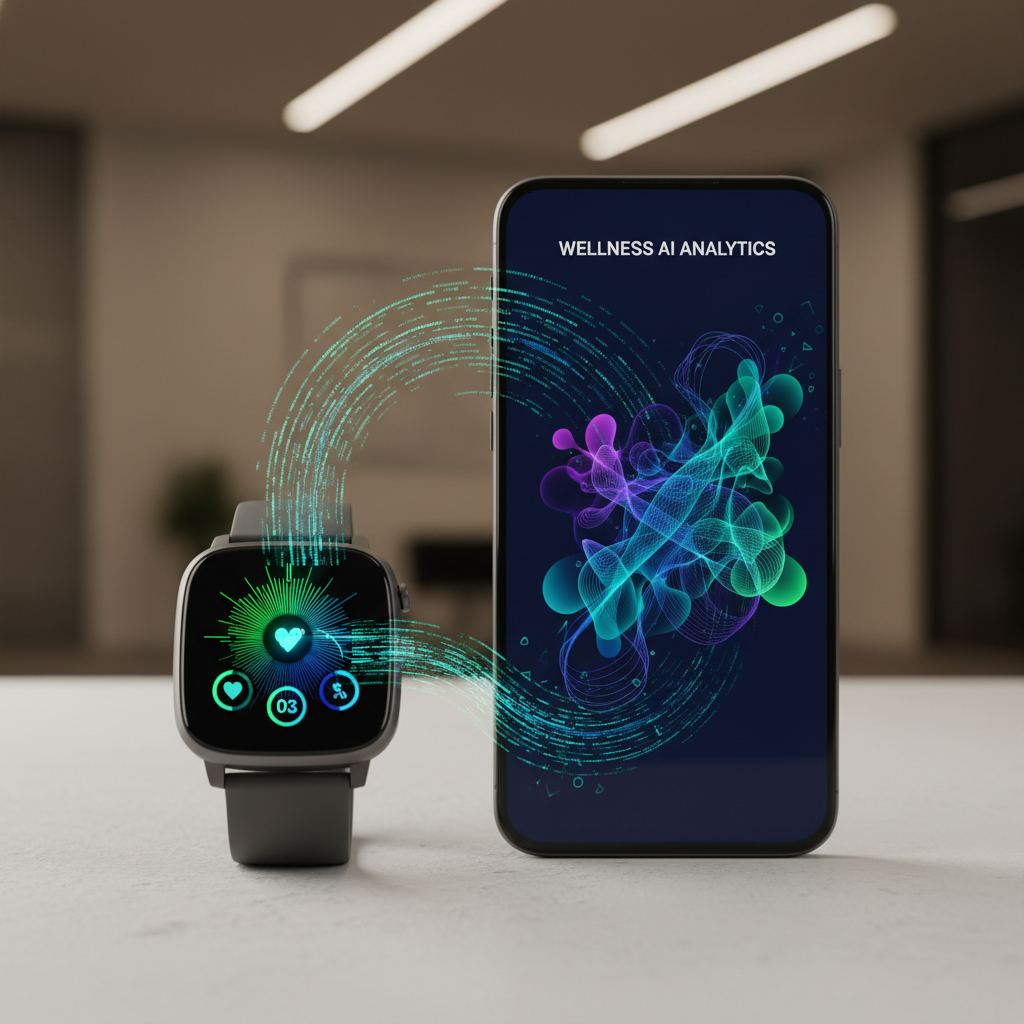
A significant shift is on the horizon for users of wearable technology, as Google prepares to sunset the familiar Fitbit app. From May 19th, the popular fitness tracking application will be replaced by an innovative, AI-powered platform known as Google Health. This strategic move signals Google’s deeper commitment to the digital health ecosystem, promising a more integrated and intelligent approach to personal well-being.
This transition isn’t just a rebrand; it represents Google’s ambition to unify its diverse health and wellness offerings under a single, cohesive umbrella. By leveraging its powerful artificial intelligence capabilities, Google Health aims to move beyond simple data logging, providing users with more personalized insights and proactive health management tools. This marks a pivotal moment in the evolution of consumer health technology.
Embracing the Future: What is Google Health?
Google Health is poised to become a central hub for all your health data, integrating information from various sources to provide a holistic view of your well-being. Unlike its predecessor, which primarily focused on fitness and sleep tracking, Google Health will harness cutting-edge AI to deliver deeper analytics and actionable recommendations. Imagine insights not just on your daily steps, but on long-term trends, potential health risks, and personalized plans tailored to your unique biological and lifestyle data.
The platform is designed to be a more intelligent companion in your health journey, utilizing machine learning algorithms to detect patterns and predict outcomes that might otherwise go unnoticed. This advanced analytical capability will transform raw data into meaningful advice, helping users make informed decisions about their diet, exercise, and overall health habits. It’s a leap towards preventative care, empowered by the smart technology Google is known for.
Core features expected within Google Health include enhanced data visualization, smart goal setting, and predictive analytics that learn from your routines and health markers. The goal is to offer a personalized health dashboard that adapts and evolves with you, providing relevant information exactly when you need it. This personalization is key to fostering long-term engagement and better health outcomes for a diverse user base.
Why the Shift from Fitbit to Google Health?
Google’s acquisition of Fitbit in 2021 was a clear indicator of its intentions to bolster its presence in the health and fitness wearables market. The move to replace the standalone Fitbit app with Google Health signifies the culmination of this integration strategy. It allows Google to consolidate its efforts, streamline user experience, and leverage its vast resources – particularly in AI and cloud computing – more effectively.
This consolidation offers several advantages. Firstly, it creates a unified health platform that can seamlessly integrate with Google’s broader suite of services, from Google Assistant to Google Search. Secondly, it positions Google to compete more aggressively in the rapidly expanding digital health sector, offering a comprehensive solution that goes beyond what traditional fitness trackers alone can provide. Finally, it aims to deliver a superior, more intelligent user experience by centralizing health data analysis.
For users, this transition means a more interconnected experience where their health data is not siloed within a single app. Instead, it becomes part of a larger, smarter ecosystem designed to understand and support their health goals holistically. This strategic pivot underscores Google’s vision of empowering individuals with intelligent tools to take control of their health in a truly personal way.
Impact on Existing Fitbit Users and Devices
Understandably, current Fitbit users may have questions about what this change means for their data and devices. Google has indicated a commitment to ensuring a smooth transition, with provisions for migrating existing Fitbit data to the new Google Health platform. This means your historical fitness, sleep, and health metrics are expected to be preserved and made accessible within the new interface.
Devices like the Google Pixel Watch, which already offer a blend of Fitbit and Google services, are perfectly positioned to benefit from this integration. The new Google Health platform will likely serve as the primary companion app for all Google-owned wearables, offering a more consistent and robust experience. Users can anticipate improved synchronization, richer data analysis, and a more intuitive interface across their devices.
Here are some key expectations for users:
- Data Migration: Your existing Fitbit data is expected to transfer seamlessly to the Google Health platform.
- Unified Experience: All Google-owned wearables, including the Pixel Watch, will integrate more deeply with Google Health.
- Enhanced Insights: Benefit from AI-powered analytics offering more personalized and proactive health advice.
- New Interface: Familiarize yourself with a refreshed user interface designed for a more comprehensive health overview.
The Road Ahead for Digital Health
The launch of Google Health is more than just an app replacement; it’s a statement of intent from one of the world’s leading technology companies. By embedding advanced AI into the core of its health platform, Google is setting a new standard for what consumers can expect from their digital health tools. This move will undoubtedly accelerate innovation across the entire digital health landscape, encouraging competitors to enhance their offerings with similar intelligent capabilities.
As health tracking moves beyond simple step counts, Google Health aims to offer a truly personalized and predictive approach to wellness. This vision aligns with the growing demand for solutions that help individuals not only track their health but also understand and actively improve it. The future of personal health management is undoubtedly intelligent, integrated, and increasingly driven by the powerful capabilities of artificial intelligence.
Source: Google News – AI Search
