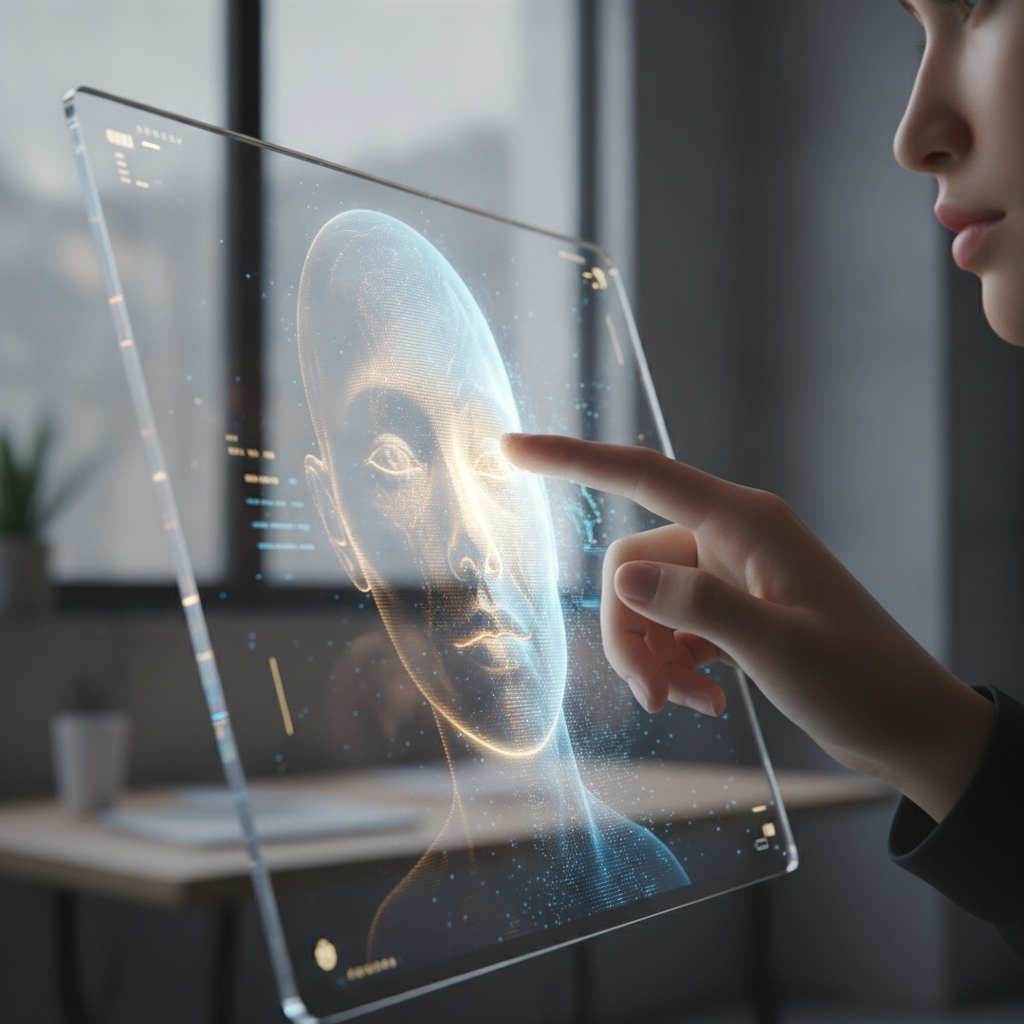
The world of AI image generation has been a mixed bag, hasn’t it? While undeniably powerful and capable of producing incredible visuals, these tools often feel like they have a mind of their own, frequently misunderstanding even the simplest requests. Many users have grown accustomed to endless prompt tweaking, hoping to coax their AI assistant into creating something remotely close to their initial vision.
However, a new wave of innovation from Google is poised to change this narrative dramatically. What if an AI image tool truly listened to you, understanding nuance and context rather than just isolated keywords? Recent buzz from outlets like Android Police suggests that Google’s latest advancements in AI image generation are finally delivering on this elusive promise.
Understanding Your Vision: The Google Difference
The core frustration with many current AI image generators stems from their overly literal interpretation of prompts. You might ask for a “cat wearing a hat,” and frustratingly receive a cat with a hat floating next to it, or worse, a hat strangely fused into the cat’s head. Google’s new approach seems to bridge this communication gap, allowing for a much more intuitive and human-like interaction with the creative process.
It’s all about context and nuanced understanding. Instead of simply parsing individual words, Google’s AI appears to comprehend the *relationships* between elements within your prompt, grasping the overall scene you envision. This means significantly less time spent on frustrating trial and error, and much more time enjoying the creative process itself, getting closer to your desired outcome on the very first attempt.
This advanced capability is likely rooted in the sophisticated large language models (LLMs) that power Google Gemini and other AI initiatives. By integrating a deeper understanding of language with powerful image synthesis algorithms, Google is effectively bridging the gap between complex human thought and seamless digital creation. It’s a testament to years of dedicated research in AI and machine learning finally coming to fruition in a remarkably user-friendly format.
Beyond Simple Prompts: Creative Freedom Unleashed
Imagine the boundless possibilities when your creative partner truly understands your vision, responding with precision and flair. For designers, marketers, content creators, and even casual users, this shift in AI understanding is nothing short of revolutionary. No longer will you need to be an expert prompt engineer to achieve stunning results; instead, you can focus on the core creative idea, articulating it in natural language, and letting the AI handle the complex rendering with remarkable accuracy.
Need a “whimsical illustration of a fox reading a book in an enchanted forest at dusk, with fireflies glowing around it?” Instead of receiving a jumbled mess of misplaced objects or an incoherent scene, Google’s AI is reported to deliver images that genuinely capture the mood, subject, and intricate details described, often with impressive artistic flair. This level of fidelity empowers users to bring complex imaginative concepts to life effortlessly, transforming abstract ideas into concrete visuals.
This enhanced understanding truly makes AI image generation more accessible to everyone, not just those proficient in prompt engineering. It effectively democratizes the creation of professional-quality visual content, removing significant technical barriers and allowing a much broader range of individuals to express themselves visually. From crafting unique social media graphics and personalized greetings to generating visual aids for presentations or even designing prototypes, the potential applications for both personal and professional use are vast and incredibly exciting.
What This Means for the Future of AI and Photography
This development signifies a crucial step in the evolution of artificial intelligence, particularly in creative applications. It moves us significantly closer to a future where AI acts as a truly seamless extension of our thoughts and intentions, rather than a tool requiring constant instruction and tedious correction. This breakthrough powerfully highlights Google’s ongoing commitment to pushing the absolute boundaries of generative AI and making it genuinely useful for everyday users.
While specifics on product names (like “Google Pics” mentioned in the initial buzz) are still evolving, it’s clear these powerful capabilities are likely to integrate deeply within Google’s existing ecosystem. Imagine these sophisticated AI tools enhancing your experience within Google Photos, Google Search, or even creative suites powered by Gemini AI, making visual creation and exploration more intuitive and powerful than ever before.
The ability of AI to accurately “listen” to and interpret human input opens doors to incredibly personalized and responsive creative experiences. We can anticipate even more advanced features, where AI adapts to your personal style, learns your aesthetic preferences, and generates images that resonate deeply with your unique vision. The future of visual creation, powered by such intelligent AI, is looking remarkably bright and exceptionally intuitive.
Source: Google News – AI Search
