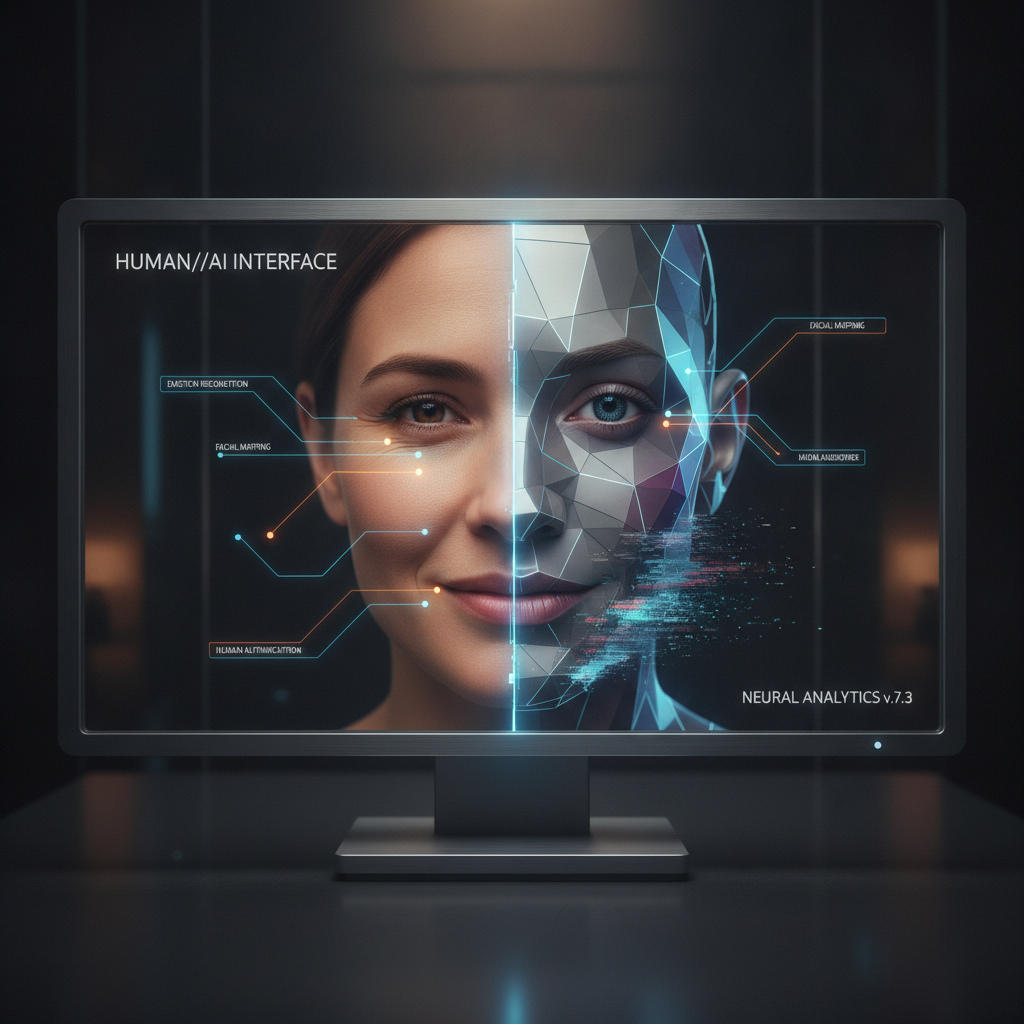
In an era where digital manipulation increasingly blurs the lines between reality and fiction, the need for robust verification tools has never been more critical. A significant breakthrough in this ongoing battle against disinformation came to light when Google’s advanced deepfake detection system played a pivotal role in debunking a viral hoax image involving Senator Mitch McConnell. This incident highlighted the urgent necessity of sophisticated AI-powered solutions to maintain trust in digital content.
The incident, which occurred in 2019, involved a manipulated photograph that circulated widely online, falsely depicting a bloodied Senator McConnell. Such images, often designed to mislead and provoke, underscore the growing threat deepfakes pose to public discourse and political integrity. Google’s swift and accurate identification of the image as a deepfake demonstrated the practical application of cutting-edge technology in real-world scenarios.
The Rising Tide of Deepfakes and Disinformation
Deepfakes, generated using sophisticated artificial intelligence and machine learning algorithms, are synthetic media that can convincingly portray individuals saying or doing things they never did. These highly realistic fakes range from manipulated images and audio clips to full-blown video fabrications, making them incredibly difficult for the average person to distinguish from authentic content. Their potential to spread misinformation, erode trust, and even destabilize elections is a significant concern for governments, tech companies, and citizens alike.
The proliferation of user-friendly deepfake creation tools has exacerbated the problem, lowering the barrier to entry for malicious actors. This makes the development of equally powerful, if not superior, detection mechanisms absolutely essential. Without reliable ways to identify altered content, the digital landscape risks becoming a minefield of fabricated realities, where truth becomes increasingly subjective.
Google’s Innovative Deepfake Detection System
Google has been at the forefront of developing advanced technologies to combat synthetic media, recognizing the severe implications for information integrity. Their deepfake detector leverages complex AI models trained on vast datasets of both authentic and manipulated media. This enables the system to identify the subtle, often imperceptible, inconsistencies and artifacts that betray a deepfake’s artificial origins.
The system meticulously analyzes various parameters, including facial inconsistencies, lighting discrepancies, unnatural movements, and even microscopic pixel anomalies. It’s a sophisticated digital forensic tool, capable of unmasking even the most expertly crafted fakes. By providing a reliable method for content verification, Google is empowering users and platforms to distinguish genuine media from malicious fabrications.
- Advanced AI Algorithms: Employs state-of-the-art machine learning to analyze visual and audio data.
- Subtle Anomaly Detection: Identifies minute inconsistencies beyond human perception.
- Rapid Analysis: Capable of quickly processing and verifying digital content.
- High Accuracy: Designed to minimize false positives and accurately flag manipulated media.
Debunking the McConnell Hoax: A Crucial Case Study
The incident involving the manipulated image of Senator Mitch McConnell served as a vivid demonstration of Google’s detector in action. The hoax picture, a crude but impactful manipulation, aimed to create a false narrative about the senator’s physical well-being. This created a rapid need for authoritative verification to prevent the spread of harmful misinformation.
When the image began circulating, Google’s detection system was able to quickly analyze its digital fingerprint and expose the manipulation. It identified key signs of alteration that confirmed the image was not authentic, allowing news organizations and social media platforms to confidently label it as false. This swift debunking helped to mitigate the potential damage and restore factual accuracy to the public discussion.
Why Advanced Detection Matters More Than Ever
In today’s interconnected world, where information travels at lightning speed, the ability to quickly and accurately identify deepfakes is paramount. Hoaxes and disinformation campaigns can have far-reaching consequences, affecting everything from political elections and financial markets to individual reputations and public safety. Trust in media and institutions hinges on our collective ability to discern truth from falsehood.
The ongoing “arms race” between deepfake creators and detectors is a testament to the critical importance of continuous innovation in this field. As deepfake technology becomes more sophisticated, so too must our defense mechanisms. Investments in research and development, like those made by Google, are vital for safeguarding the integrity of our digital information ecosystem and ensuring a well-informed society.
The successful debunking of the McConnell deepfake image by Google’s system was more than just an isolated incident; it was a powerful affirmation of the role technology can play in upholding truth. As we navigate an increasingly complex digital landscape, such advancements offer a beacon of hope against the rising tide of misinformation. They remind us that while technology can be used to deceive, it also holds the key to greater transparency and authenticity.
Source: Google News – AI Search
