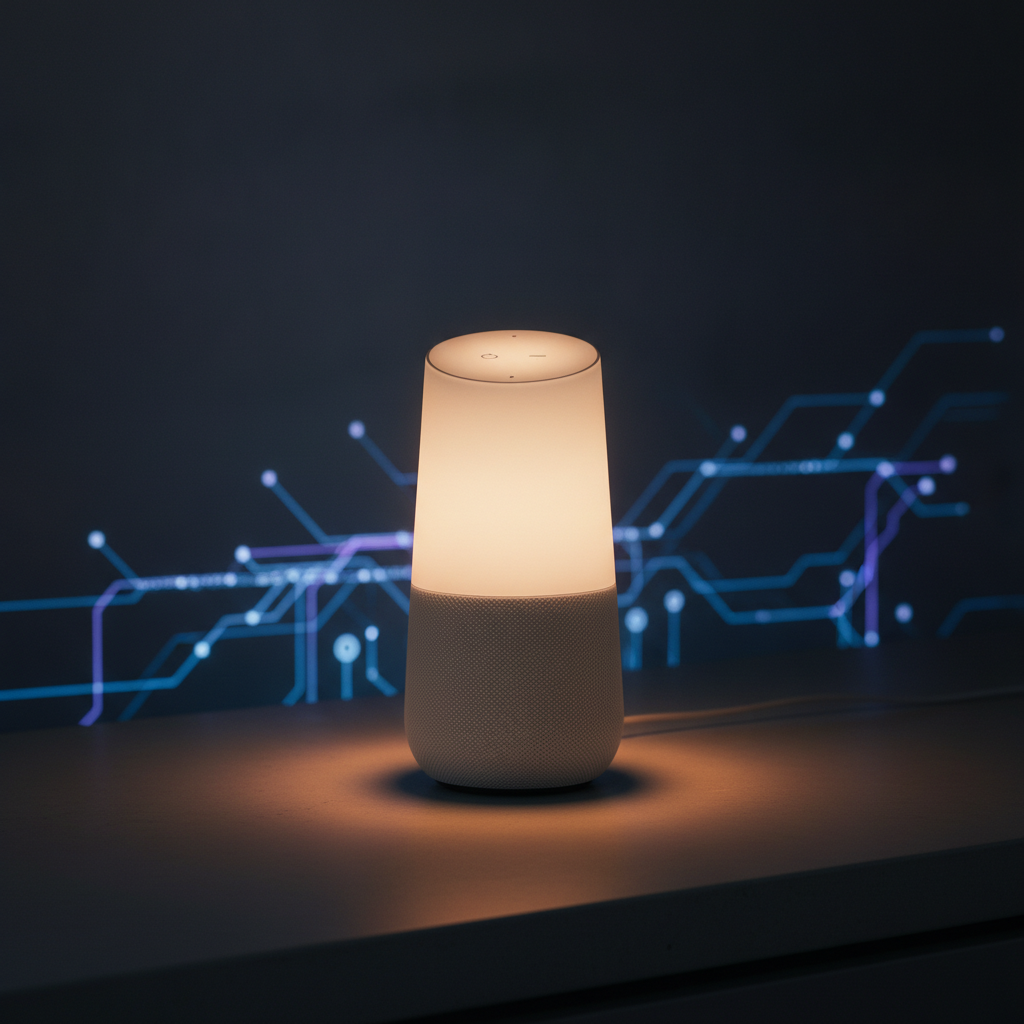
The advent of smart speakers revolutionized the way we interact with technology in our homes, and Google Home quickly emerged as a prominent player in this exciting new arena. Promising unparalleled convenience and seamless integration into daily life, these devices captivated consumers worldwide. Yet, beneath the polished facade of artificial intelligence and voice commands, a simmering debate has persisted regarding the true implications of having an always-on listener in our living spaces.
From playing music to managing schedules and controlling smart home devices, Google Home offered a vision of effortless living. Its ability to answer queries, provide real-time information, and even tell jokes endeared it to many. However, as the initial buzz settled, a closer examination by tech critics and privacy advocates began to surface significant concerns, leading some to suggest that while these devices “speak volumes,” they might also be “full of bull” when it comes to certain assurances.
The Promise and Peril of Perpetual Listening
Google Home, powered by the sophisticated Google Assistant, brought a new level of interactivity into our homes. Users could simply utter a command, and the device would spring to action, automating tasks that once required manual input. This convenience quickly became a cornerstone of modern smart living, integrating seamlessly with thermostats, lighting, and entertainment systems.
The allure of a digital assistant that anticipates needs and responds instantly is undeniably powerful. Imagine waking up and simply asking your Google Home for the weather, your commute time, or to start your morning playlist. This effortless interaction streamlines daily routines, making complex technology feel intuitive and approachable for everyone in the household.
However, this very convenience is inextricably linked to one of its biggest controversies: the need for an always-on microphone. For Google Home to respond to “Hey Google,” it must constantly be listening for its wake word. This fundamental operational requirement has ignited a widespread debate about privacy, prompting legitimate questions about what else the device might be hearing and how that data is handled.
Unpacking the “Bull”: Privacy, Data, and Trust
The primary area where critics often find Google Home to be “full of bull” revolves around **user privacy and data collection**. While Google assures users that recordings are only sent to the cloud after the wake word is detected, the very presence of an always-listening device raises inherent trust issues. Concerns about accidental recordings, unauthorized data usage, and the potential for misuse have plagued the smart speaker industry since its inception.
Users rightfully wonder about the extent of the data Google collects through these devices. Is it just the voice commands, or does it also capture background conversations or ambient sounds? The opaque nature of data handling policies, despite efforts to be transparent, often leaves consumers feeling uneasy. This unease is further compounded by instances where recordings were reportedly reviewed by human contractors, underscoring the gap between consumer expectations and actual data practices.
Key privacy concerns include:
- Always-on Microphones: The constant vigilance required for voice activation naturally leads to questions about what is truly being heard and recorded.
- Data Retention and Use: How long is voice data stored, and for what purposes? Is it used to personalize ads or shared with third parties?
- Security Vulnerabilities: The risk of devices being hacked or exploited, potentially exposing private conversations.
- Lack of Transparency: Despite company policies, the full scope of data collection and usage often remains unclear to the average user.
Beyond Privacy: Expectations Versus Reality
Beyond privacy concerns, some of the “bull” might also refer to the gap between marketing hype and real-world utility. While incredibly capable, Google Home isn’t a flawless omniscient entity. It relies heavily on a stable internet connection and can sometimes misinterpret commands or provide irrelevant information. The promise of a truly seamless AI experience occasionally bumps up against the reality of technological limitations.
Furthermore, setting up and integrating various smart home devices can often be more complex than advertised, requiring a degree of technical savvy from the user. Not every device “just works” out of the box with Google Home, leading to frustration for some early adopters. The ecosystem, while extensive, isn’t always perfectly harmonious, demanding patience and troubleshooting from its users.
Moreover, the continuous stream of updates and changes to features can sometimes alter the user experience, leading to a feeling of constant adaptation rather than stable integration. While these updates often bring improvements, they can also introduce new quirks or alter familiar functionalities, adding another layer to the user experience that isn’t always perfectly smooth.
The Verdict: A Mixed Bag of Innovation and Caution
Google Home undeniably stands as a significant technological achievement, bringing artificial intelligence into the fabric of our daily lives with unprecedented ease. Its capacity to control smart homes, provide information, and entertain has transformed many households, offering a glimpse into a future of effortless interaction with technology. The convenience it offers is a compelling reason for its widespread adoption.
However, the device also serves as a potent symbol of the ongoing societal debate surrounding privacy, data ownership, and the ethical implications of pervasive technology. The “bull” often stems from the inherent tension between the desire for convenience and the fundamental right to privacy. As smart speakers continue to evolve, it’s crucial for both manufacturers and consumers to engage in an open dialogue, ensuring that technological advancements do not come at an unacceptable cost to personal freedom and security.
Source: Google News – AI Search
