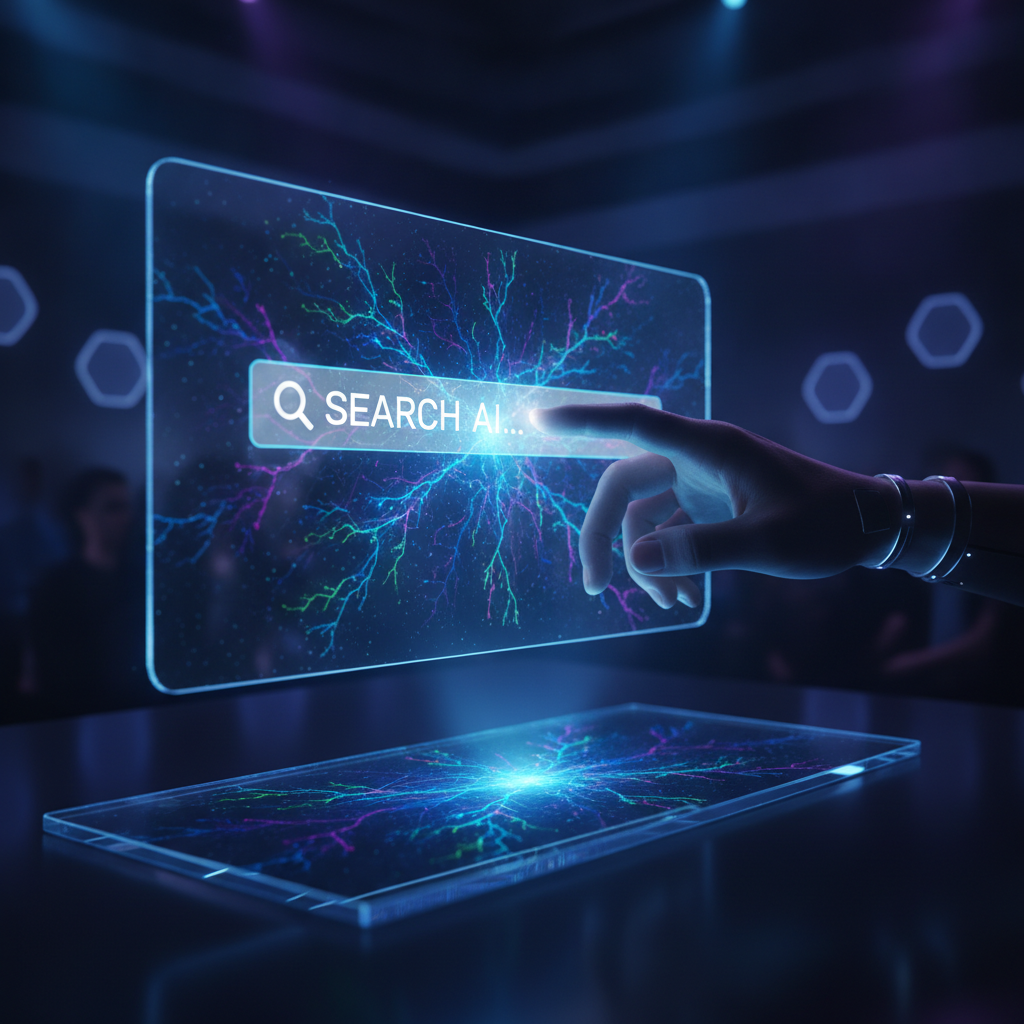
Google I/O 2026 has concluded, and it’s clear the future of information discovery has been irrevocably transformed. The highly anticipated keynote delivered a groundbreaking vision for search, firmly establishing a new era powered by sophisticated artificial intelligence. This year’s conference wasn’t merely about incremental updates; it was about redefining the very essence of how we interact with the digital world.
The tech giant unveiled a suite of advancements that promise to make search more intuitive, personalized, and proactive than ever before. From understanding complex, conversational queries to delivering curated insights, Google I/O 2026 emphasized a future where search anticipates user needs rather than just reacting to keywords. This fundamental shift is set to impact everything from daily information gathering to long-term digital strategies.
The AI Revolution in Search
For decades, search engines have been the gateway to the internet, evolving from simple keyword matching to understanding natural language. However, the announcements at Google I/O 2026 signify a quantum leap, moving beyond mere comprehension to genuine intelligence. Google’s latest advancements leverage its most powerful AI models, including the next generation of Gemini, to power a profoundly enhanced search experience.
This new paradigm focuses on three core pillars: profound contextual understanding, seamless multimodal interaction, and intelligent proactivity. The goal is to move beyond providing a list of links, instead delivering comprehensive answers, personalized insights, and even performing tasks directly within the search interface. It’s an evolution designed to bring unparalleled efficiency and depth to every user query.
Unveiling Next-Gen Search Experiences
During the keynote, several groundbreaking features and enhancements to Google Search were demonstrated, showcasing the practical applications of this new AI-driven approach. Users can now expect a significantly more dynamic and responsive search environment, tailored precisely to their unique information needs and preferences. These innovations highlight Google’s commitment to making information more accessible and actionable for everyone.
Key innovations demonstrated at Google I/O 2026 include:
- Advanced Contextual Understanding: AI models now grasp complex, multi-layered queries with unprecedented depth, moving beyond simple keywords to truly understand user intent and nuance. This means fewer reformulations and more precise results.
- Seamless Multimodal Interaction: The ability to effortlessly integrate voice, images, video, and text into a single search query was a highlight. Imagine searching for a specific repair by describing the sound it makes, showing a picture of the part, and asking for a video tutorial.
- Proactive Information Delivery: Search is becoming less about asking questions and more about anticipating needs, delivering relevant insights and updates before users even type a query. This could manifest as personalized news feeds or automated reminders based on user behavior and preferences.
- Personalized Generative Answers: Instead of just providing links, the new search interface can synthesize information from multiple sources to create tailored, coherent answers, similar to a personalized expert assistant. These summaries are designed to be comprehensive and easy to digest.
- Interactive Search Workflows: Beyond just answers, search can now assist with tasks. For instance, asking to plan a trip could result in a pre-filled itinerary, flight options, and accommodation suggestions, all generated and organized within the search interface.
These features underscore a fundamental shift from a transactional search experience to a more conversational and assistive one. Developers, too, received exciting news with new APIs and tools designed to integrate these powerful AI capabilities into their own applications, fostering an even broader ecosystem of innovation.
Impact on Users and Content Creators
This new era of AI-powered search carries profound implications for both everyday users and the vast ecosystem of content creators, publishers, and businesses. For users, the promise is clear: faster, more accurate, and remarkably personalized access to information and assistance. The friction of information seeking is significantly reduced, making knowledge and task completion more fluid.
For content creators and SEO professionals, the landscape is set to undergo a dramatic transformation. Traditional SEO strategies, heavily reliant on keywords and link building, will need to evolve to embrace deeper content quality, contextual relevance, and demonstrating expertise. Focusing on creating truly valuable, authoritative, and engaging content that AI can effectively understand and synthesize will be paramount.
Businesses will need to think critically about how their information is presented and how it contributes to a comprehensive answer rather than just a standalone article. The emphasis will shift from optimizing for discrete keywords to optimizing for overall topic authority and user intent. This calls for a strategic re-evaluation of digital marketing and content strategies to remain visible and impactful in the AI-driven search environment.
Paving the Way Forward
Google I/O 2026 has definitively marked the beginning of a new chapter for search, one where artificial intelligence is not just a feature, but the very foundation. The announcements herald a future where information is more intelligent, personalized, and accessible than ever before, fundamentally altering how we interact with technology and the world around us. This evolution will empower users and challenge creators to innovate, ultimately leading to a richer, more dynamic digital experience.
Source: Google News – AI Search
