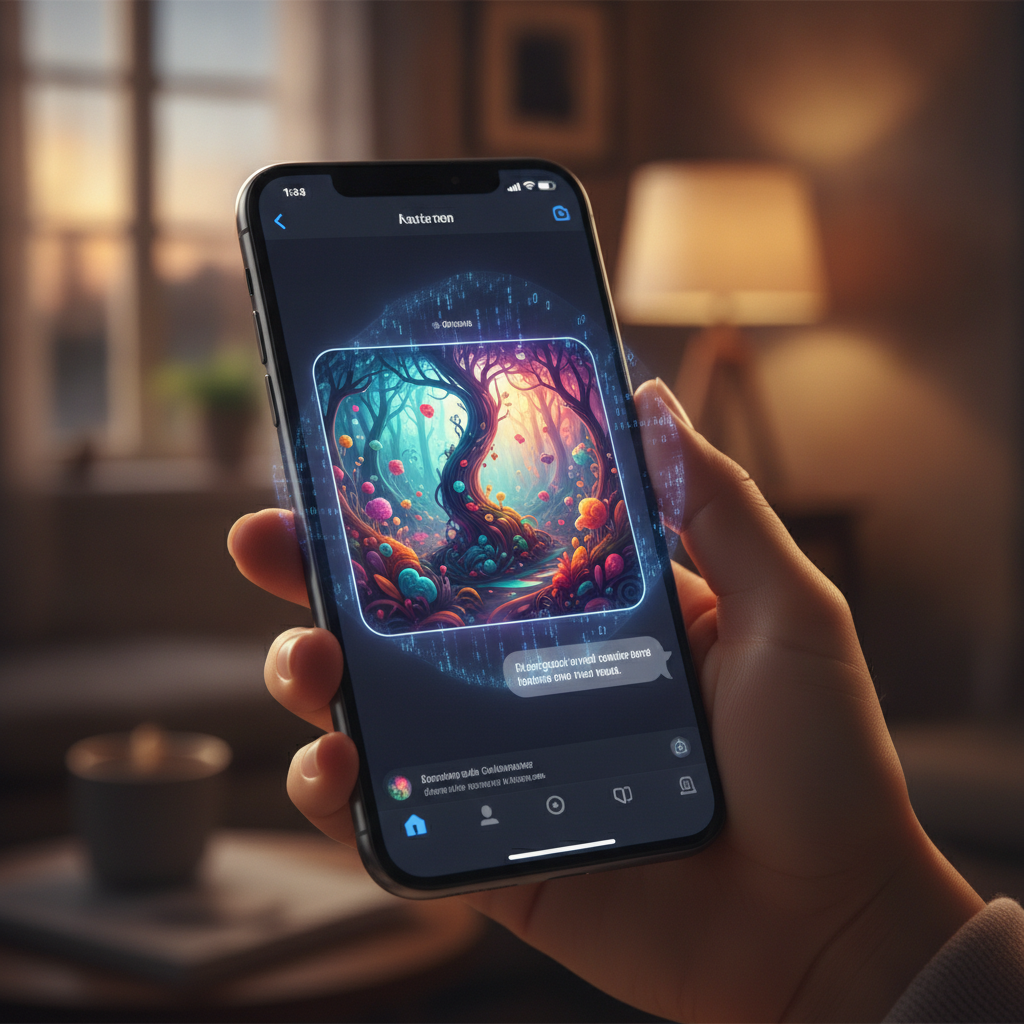
The digital landscape is rapidly evolving, and with it comes the widespread proliferation of AI-generated content. These incredibly realistic images, while often impressive, can sometimes blur the lines between reality and simulation, creating confusion or even distrust. Google Messages is stepping up to address this challenge, poised to introduce a crucial new feature that will make it significantly easier for users to identify when images shared with them are the product of artificial intelligence. This move reflects a growing industry-wide commitment to digital transparency and combating misinformation, ensuring users can navigate their conversations with greater clarity.
Detecting AI Imagery: How it Works
At the heart of this upcoming Google Messages feature is the integration of advanced metadata standards, particularly leveraging the C2PA (Coalition for Content Provenance and Authenticity) standard. This global, open technical standard is designed to provide verifiable information about the origin and history of digital content, including images. When an AI-generated image is created using tools that adhere to C2PA, it will carry embedded metadata that clearly flags its synthetic nature. Google Messages will then interpret this information, presenting a clear visual indicator to the recipient.
While the exact user interface details are still under wraps, initial reports and industry trends suggest a subtle yet effective notification will be implemented. Users might see a small, unobtrusive icon, perhaps a badge or a distinct label, accompanying the image within their chat thread. Tapping on this indicator could potentially reveal more details, such as the AI model used or the specific generative tools involved in its creation. This level of transparency is designed to be informative without being intrusive, allowing conversations to flow naturally while providing crucial context.
Why Transparency in Messaging Matters More Than Ever
The ability to quickly discern AI-generated content, especially within personal messaging apps like Google Messages, holds immense significance in our modern digital lives. In an era where deepfakes and manipulated media are becoming increasingly sophisticated and accessible, this transparency is vital for maintaining trust and preventing misunderstandings among friends and family. Users can communicate with greater confidence, knowing they have a reliable tool to verify the authenticity of visual content shared directly with them. This empowers individuals to make more informed judgments about the content they consume and potentially reshare.
This feature goes beyond just identifying a fun AI avatar; it’s a critical step in safeguarding against the spread of misinformation and disinformation. Malicious actors can easily generate convincing fake images to spread false narratives, and personal messaging channels are often a primary vector for such content. By providing a clear warning, Google Messages helps to mitigate these risks, allowing users to pause and consider the source and nature of an image before accepting it as factual. It builds a stronger foundation of trust in digital communication.
Google’s Broader Commitment to Responsible AI
This initiative within Google Messages isn’t an isolated effort; it aligns perfectly with Google’s broader, long-standing commitment to responsible AI development and deployment. The company has been at the forefront of advocating for transparency tools, ethical guidelines, and robust safeguards for artificial intelligence across its various products and services. From watermarking AI-generated images in Google Search to investing in research for AI safety, Google consistently emphasizes the importance of building AI responsibly. This integration into Google Messages is a natural extension of that philosophy.
The company understands that as generative AI tools become more powerful and ubiquitous, so too must the mechanisms for accountability and clarity. By integrating AI content detection into one of its core communication platforms, Google underscores its dedication to ensuring a safer and more trustworthy digital environment for billions of users. This proactive stance against the potential misuse of generative AI technologies demonstrates a serious commitment to fostering an internet where authenticity can be easily verified, even in the most casual of conversations.
What This Means for Users and the Future
For everyday users of Google Messages, this upcoming feature translates directly into a more secure and transparent messaging experience. It means less guesswork when encountering striking or unusual images, and more confidence in the authenticity of shared media. As AI tools become even more accessible and seamlessly integrated into our daily lives, the need for robust detection mechanisms like this will only grow exponentially. Google Messages is taking a significant and necessary step towards equipping its users with the tools required to navigate this new digital frontier responsibly.
Ultimately, this move by Google Messages aims to foster a more transparent and credible communication ecosystem for its massive user base worldwide. It sets a precedent for other messaging platforms to follow, pushing the industry towards a future where the provenance of digital content is as important as the content itself. Users can look forward to a more informed and trustworthy chat experience, knowing that their conversations are supported by the latest advancements in content authentication technology.
Source: Google News – AI Search
