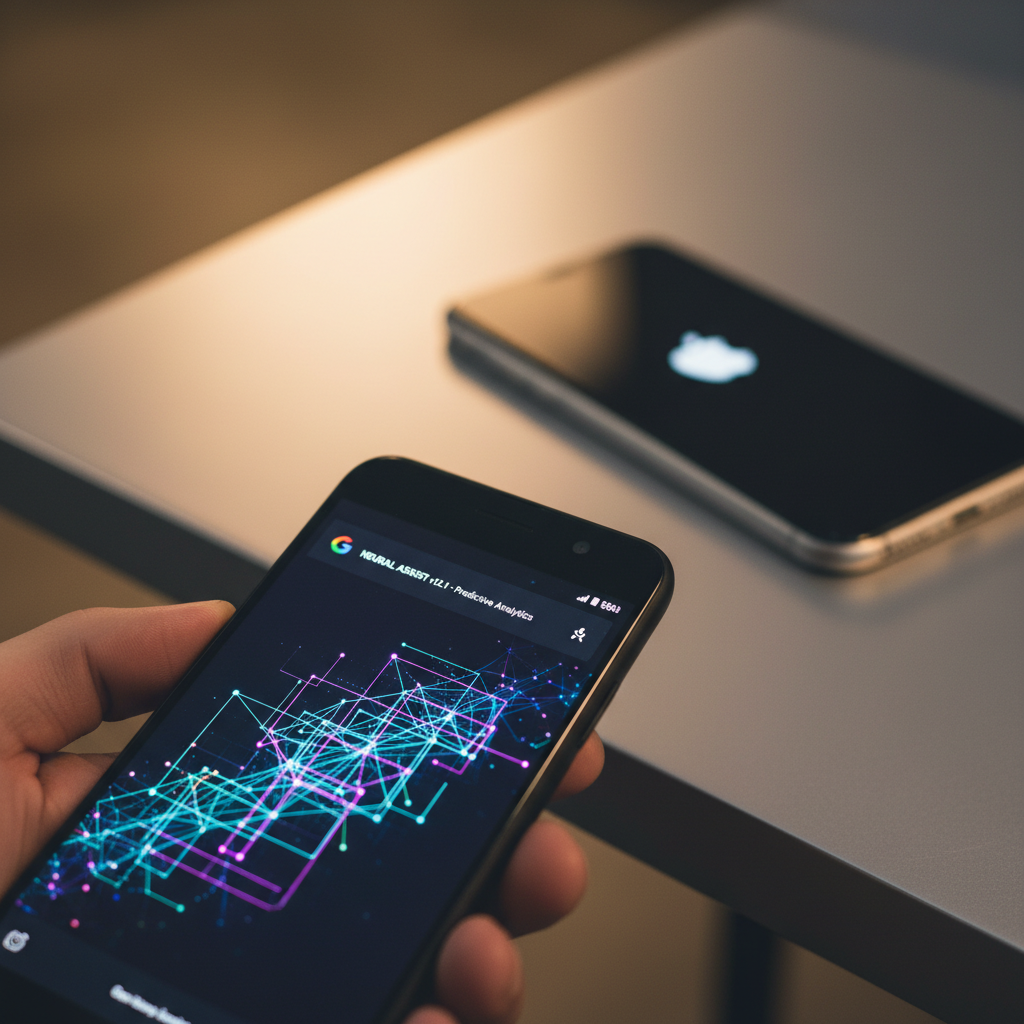
In the rapidly evolving world of smartphones, artificial intelligence (AI) is no longer a futuristic concept but a vital, everyday tool. While Apple’s iOS ecosystem is known for its polished experience and powerful silicon, Google’s Pixel phones have quietly been leading the charge in delivering truly innovative and practical AI features. These aren’t just parlor tricks; they’re functionalities that genuinely enhance daily life, making a compelling case for Apple to consider integrating similar capabilities into future iOS releases, perhaps as early as iOS 27.
The distinction between raw processing power and intelligent software features is becoming increasingly clear. Pixel’s approach to AI demonstrates how smart algorithms can solve common user pain points, from unwanted phone calls to complex photo edits. Let’s delve into some of these groundbreaking Google Pixel AI features that set a new benchmark for smartphone intelligence and efficiency.
Smarter Communication and Productivity Tools
One of the most immediate and impactful AI features on Pixel phones directly addresses the modern problem of unwanted communication: Call Screen. This ingenious tool leverages AI to answer calls from unknown numbers, transcribe the caller’s message in real-time, and allow you to decide whether to pick up, send a quick reply, or mark it as spam. It’s an incredibly effective barrier against robocalls and telemarketers, saving users countless moments of frustration.
Beyond call management, Pixel’s AI extends to supercharging productivity, especially with its advanced Recorder app. This feature provides highly accurate real-time transcription of conversations, lectures, and meetings, even distinguishing between different speakers. What truly elevates it is the ability to instantly summarize lengthy audio recordings into key bullet points, making it an indispensable tool for students, journalists, and anyone needing to quickly grasp the essence of spoken information.
Effortless Photo Editing and Visual Magic
Google has truly democratized advanced photo editing with features like Magic Editor. This isn’t just about simple filters; Magic Editor allows users to intuitively move, resize, and even completely remove objects from photos with remarkable ease. It can also generate entirely new elements to fill in gaps, transforming amateur snapshots into professional-looking compositions without requiring extensive graphic design skills.
Another incredible visual AI tool is Best Take, a feature that feels genuinely magical. When you take a burst of group photos, Best Take intelligently identifies the best facial expressions from across multiple shots. It then seamlessly composites them into a single, perfect group photo where everyone is smiling and looking at the camera, effectively eliminating the common struggle of getting one good shot of multiple people simultaneously.
Bridging Language Gaps with Live Translate
In an increasingly interconnected world, language barriers can be a significant hurdle, but Pixel’s Live Translate offers a powerful solution. This AI-powered feature provides real-time translation for conversations, both spoken and via text, directly on your device. It works seamlessly in various applications, allowing for natural communication across different languages without needing to constantly type or switch apps.
Live Translate even extends to translating signs and text captured through the camera, making international travel significantly less daunting. Whether you’re navigating a foreign city or engaging in a video call with someone who speaks a different language, this feature ensures that communication flows smoothly and effortlessly. It truly embodies the potential of AI to connect people and cultures.
The Future is Now: What Apple Can Learn
The Google Pixel’s suite of AI features represents a significant leap forward in how we interact with our smartphones. From shielding us from unwanted calls and simplifying complex tasks to enabling advanced photo manipulation and breaking down language barriers, these tools are more than just novelties; they are powerful, practical applications of artificial intelligence. They demonstrate that AI is most valuable when it seamlessly integrates into our lives, solving real-world problems without requiring users to be tech experts.
As Apple continues to refine its iOS experience, integrating similar deeply embedded, user-centric AI features could redefine the iPhone’s utility and appeal. The hardware foundation is certainly there; now it’s about leveraging that power with intelligent software to create an even more intuitive and capable user experience. Adopting some of these Pixel-inspired AI innovations would not only benefit iPhone users but also push the entire smartphone industry forward.
Source: Google News – AI Search
