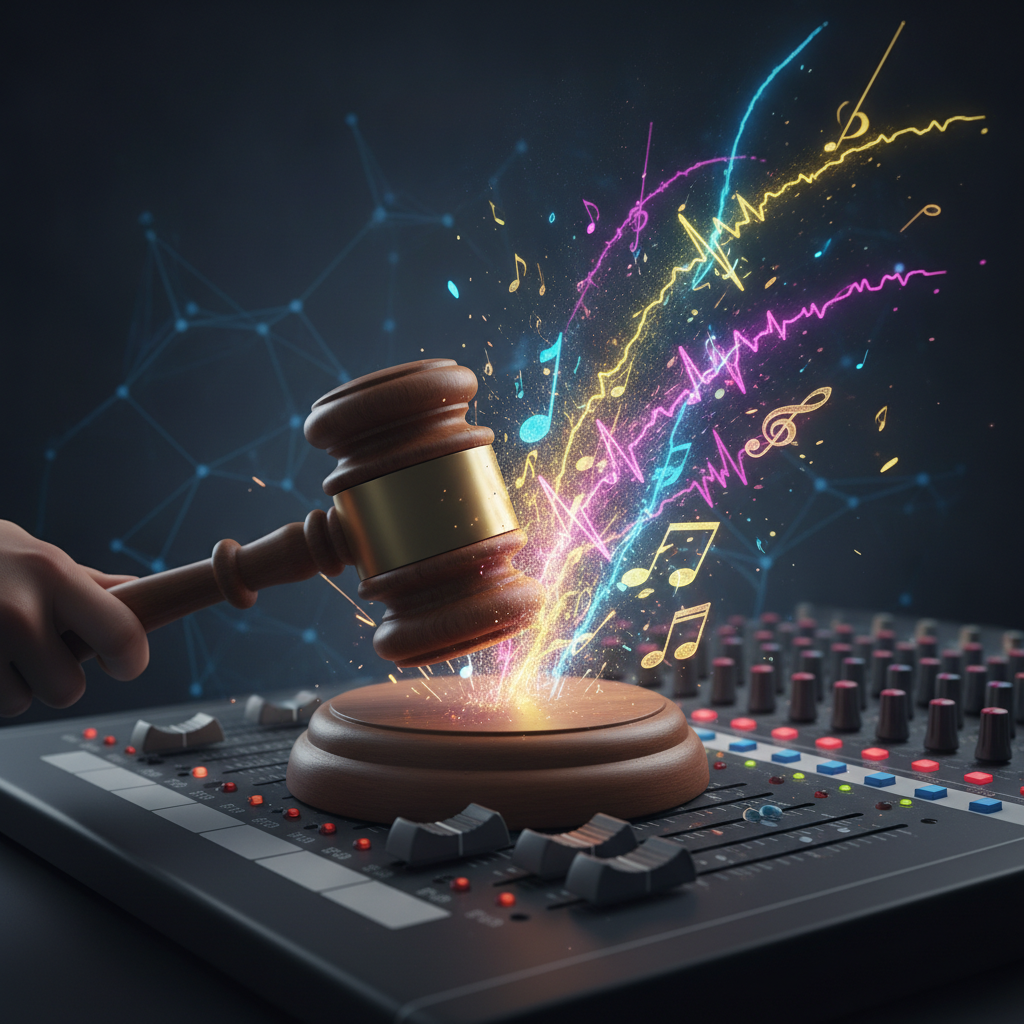
A significant legal battle is brewing that could reshape the future of artificial intelligence and creative rights. Independent musicians are taking Google to court, alleging that the tech giant’s advanced Lyria AI was trained using a staggering 44 million YouTube clips without explicit consent from the original creators. This lawsuit, first reported by Crypto Briefing, highlights a growing tension between AI developers and the artists whose work often forms the bedrock of these sophisticated systems.
The core of the complaint revolves around intellectual property and the right of creators to control how their art is used. Musicians claim that Google leveraged their extensive music library on YouTube, a platform Google owns, to develop Lyria. This raises critical questions about fair use, compensation, and the ethical responsibilities of AI companies.
The Heart of the Lawsuit: Unconsented Training
The lawsuit details a stark accusation: that Google’s Lyria AI ingested a massive dataset of copyrighted material without permission. Specifically, the plaintiffs claim that approximately 44 million music clips from YouTube were utilized in Lyria’s development. These clips represent countless hours of independent artists’ creative output, uploaded to the platform with the expectation of reach, not AI training data.
This legal challenge underscores a fundamental dispute: whether data scraping for AI training constitutes copyright infringement. For many artists, their work is their livelihood, and its unauthorized use in commercial AI products feels like a direct threat to their economic survival. The independent musicians argue that they deserve a say, and potentially compensation, when their intellectual property is used to build powerful new technologies.
What is Lyria AI and Why Does it Matter?
Lyria is Google’s advanced AI model specifically designed for music generation and manipulation. It’s capable of producing new musical compositions, vocal tracks, and even entire instrumentals based on learned patterns and styles. Such AI tools promise to revolutionize music production, offering unprecedented creative possibilities and efficiency.
However, the ethical foundation upon which these capabilities are built is now under intense scrutiny. If Lyria’s impressive abilities were cultivated by leveraging copyrighted material without consent, it raises profound concerns about the origins of AI creativity. The implications extend beyond just music, touching every creative field where AI models are being developed using existing content.
The Broader Implications for AI and Copyright
This isn’t an isolated incident; the lawsuit against Google joins a growing chorus of legal challenges against AI developers concerning intellectual property. Authors have sued OpenAI, artists have sued Stability AI, and news organizations are eyeing similar actions. The central theme across all these cases is the legal and ethical quandary of training AI models on vast datasets of copyrighted work without direct licensing or creator permission.
The outcomes of these lawsuits could significantly impact the trajectory of AI development, forcing companies to adopt more transparent and consent-based approaches to data acquisition. It could also establish new precedents for how creators are compensated, or not compensated, when their work contributes to the advancement of artificial intelligence. The legal landscape around AI and copyright is still nascent, but these cases are rapidly shaping its future.
For the music industry, this specific lawsuit holds immense weight. Independent musicians, often operating with limited resources, rely heavily on platforms like YouTube for visibility and revenue. The alleged use of their work without consent not only feels exploitative but also threatens to devalue their creative output in an increasingly AI-driven landscape. It highlights the urgent need for robust frameworks that protect digital rights in the age of generative AI.
A Growing Trend: Creators vs. AI Giants
This lawsuit against Google is more than just a dispute over a few million clips; it’s a front-line battle in the broader war for creator rights in the AI era. As AI models become more sophisticated, the debate over how they are trained and who benefits from their development will only intensify. Creators are rightly demanding a seat at the table, asserting their ownership and fundamental right to decide how their artistic endeavors are used.
The resolution of this case could set a crucial precedent for fair compensation and ethical data practices across the entire AI industry. It underscores the critical need for a balance between technological innovation and the protection of intellectual property rights. Ultimately, the future of AI in creative fields will depend on fostering trust and ensuring that artists are recognized and fairly treated for their invaluable contributions.
Source: Google News – AI Search
