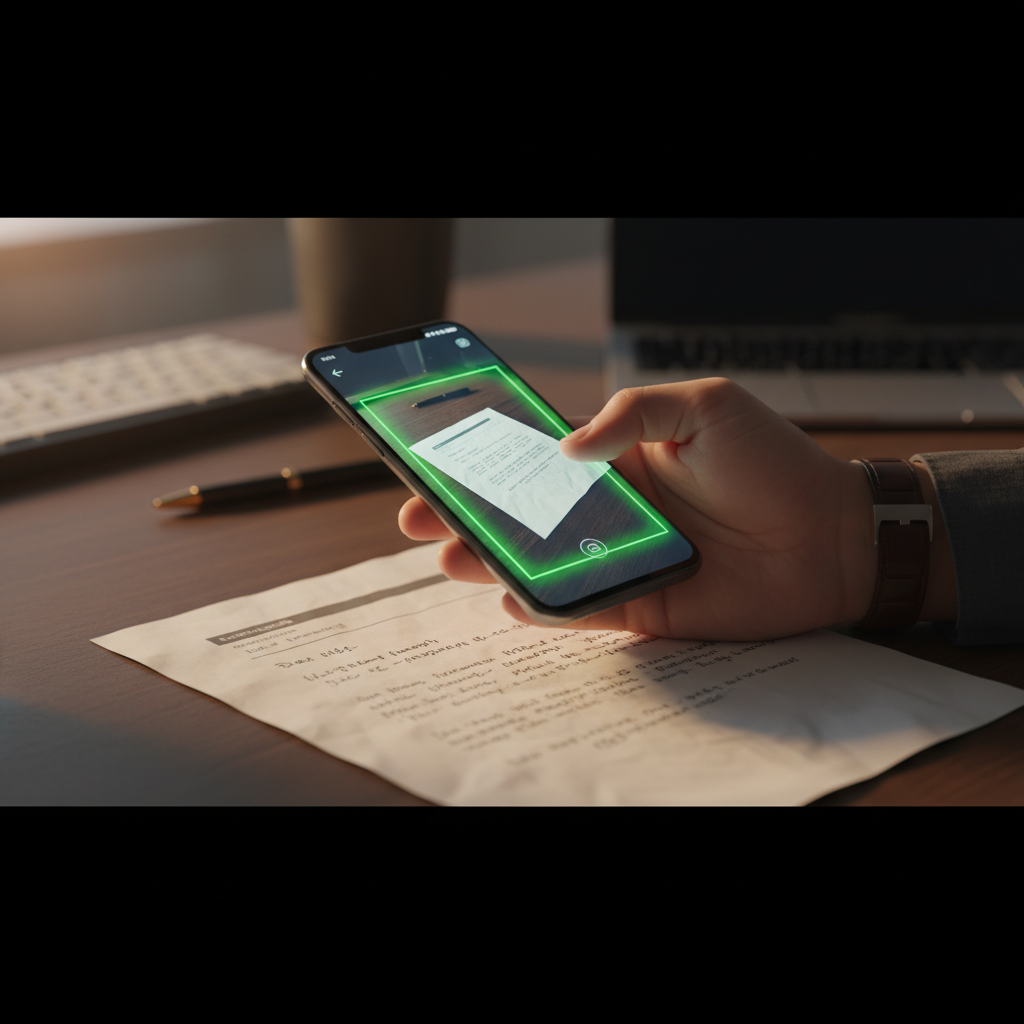
In our increasingly digital world, the need to effortlessly create and share PDF documents from your Android phone is more common than ever. Many users instinctively head to the Google Play Store, hoping to find the perfect app for the job. However, with concerns about malicious apps on the rise, choosing a safe and effective solution is paramount.
At ZDNET, we’re dedicated to bringing you the most accurate information and knowledgeable advice, helping you make smarter tech decisions. Our recommendations are based on extensive independent testing, thorough research, and careful comparison shopping, ensuring you get reliable insights. When you click through our links and make a purchase, we may earn an affiliate commission, which supports our work without affecting our unbiased content or the price you pay.
Why Your Android Already Has the Best PDF Scanner
It’s tempting to download a new app for every task, but when it comes to creating PDFs on Android, the safest and most efficient tool is likely already on your device. Many third-party PDF scanner apps, unfortunately, come with security risks, making it crucial to prioritize preinstalled solutions.
The good news is that you don’t have to install any additional software to convert paper documents into professional-looking PDFs. The capability is seamlessly integrated into your Google Drive app, offering a free and secure alternative. This built-in feature allows you to scan to PDF directly from your Android phone without compromising your device’s security or performance.
Scanning Documents to PDF: A Step-by-Step Guide
To get started, you’ll need the Google Drive app installed on your Android device. Fortunately, it comes preinstalled on virtually all Android phones, making this process incredibly accessible. Here’s how you can transform physical documents into digital PDFs in just a few taps.
First, locate and open the Google Drive app from your home screen or App Drawer. Once inside, tap the `+` icon located at the bottom right corner of the screen. From the menu that appears, simply select the “Scan” option to initiate the camera function.
Point your phone’s camera at the first page of the document you wish to scan. Capture the image, then repeat this process for any additional pages, ensuring you hold your phone horizontally for the best results. After you’ve scanned every required page, tap the right-pointing arrow button at the bottom right to proceed.
Naming, Uploading, and Sharing Your New Android PDF
On the next screen, you’ll have the opportunity to enhance your scans. Google Drive offers several tools, including filters to clean up shadows, cropping/rotating options, and a cleaning tool to refine the document’s appearance. Once satisfied with the enhancements, tap “Next.”
Now, it’s time to name your newly created PDF document. Make sure “PDF” is selected as the file type, and then choose where you’d like to save it. You can tap the drop-down menu to select a specific Google Drive folder that will house your scan, keeping your files organized. Finally, tap “Upload” to complete the process.
Once uploaded, your high-quality PDF scan will be readily available in your chosen Google Drive folder. From there, sharing the document is straightforward, allowing you to easily send it to colleagues, friends, or family. You’ll be genuinely surprised by the clarity and professional appearance of the final results.
Essential Security Tips for Sensitive PDF Documents
While the Google Drive scanner offers a convenient and high-quality solution, it’s crucial to be aware of certain limitations, especially when handling sensitive information. The Google Drive app currently does not provide built-in capabilities to encrypt or password-protect your scanned PDFs directly from the app.
Furthermore, any PDF created using this method will reside in your Google Drive account, meaning it’s stored in the cloud. For documents containing highly sensitive data, it’s a best practice to delete them from your Google Drive after they have been securely shared. This simple step helps protect your privacy and minimizes potential risks.
Despite this, the convenience of not saving large PDF files directly onto your phone’s internal storage is a significant advantage. This ensures your device’s memory remains free, while still giving you quick access to your documents when needed. By following these simple steps and security precautions, you can confidently convert documents to PDF on your Android phone, efficiently and securely.
Source: ZDNet – AI
