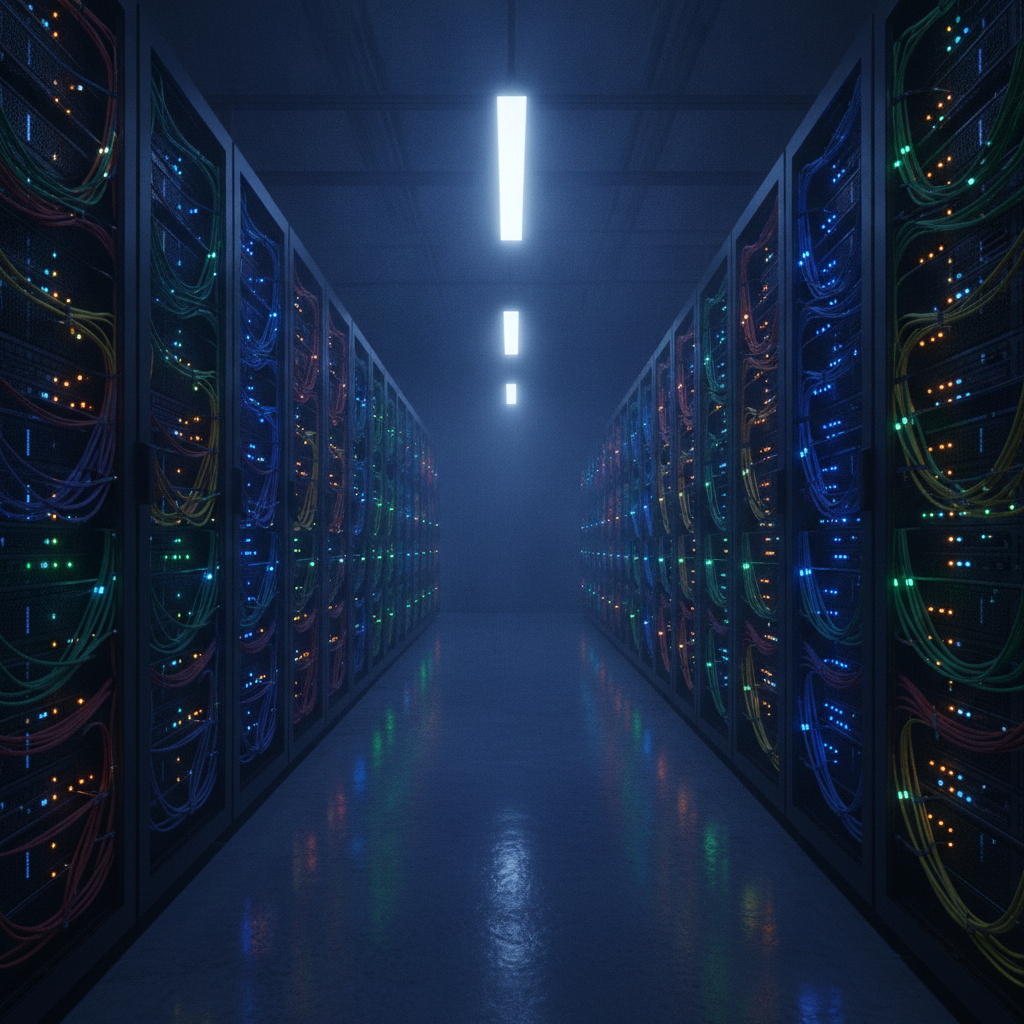
For most of us, artificial intelligence feels like magic, a seamless service that answers our questions, translates languages, or powers our smart devices. Yet, behind every lightning-fast query and intelligent suggestion lies a colossal, unseen infrastructure: Google’s AI data centers. These aren’t just any server farms; they are the highly specialized, high-performance engines driving the AI revolution, and a recent report offered a rare glimpse into their closely guarded secrets.
Google has historically maintained a veil of secrecy around its physical operations, especially the intricate networks that power its global services. However, a recent ABC News report provided unprecedented access, pulling back the curtain on these vital facilities. This exclusive peek revealed the sheer scale and complexity required to run the AI models that have become indispensable to our daily lives, from Google Search to sophisticated machine learning applications.
A Rare Glimpse Inside Google’s AI Powerhouses
Imagine vast warehouses stretching across millions of square feet, humming with the quiet roar of countless machines. These are not just places to store data; they are the physical brains where AI models are trained and run, processing unimaginable volumes of information. The ABC News segment underscored the immense investment Google has made in these facilities, which are paramount to maintaining its leadership in the artificial intelligence landscape.
What struck many viewers was the blend of mind-boggling technology and human ingenuity required to keep these systems operational. Highly skilled technicians and engineers work around the clock, ensuring optimal performance, managing complex cooling systems, and continuously upgrading the hardware. It’s a delicate dance between cutting-edge technology and meticulous human oversight, all aimed at delivering seamless AI experiences.
What Makes an AI Data Center Different?
While traditional data centers focus on general-purpose computing and storage, AI data centers are a different beast entirely. Their primary distinction lies in their heavy reliance on Graphics Processing Units (GPUs), rather than just CPUs. GPUs are uniquely suited for the parallel processing tasks inherent in machine learning, allowing AI models to be trained and deployed with incredible efficiency.
These specialized facilities house tens of thousands, if not hundreds of thousands, of these powerful GPUs, working in concert. This hardware setup enables the rapid iteration and refinement of complex algorithms, from natural language processing to computer vision. Without this dedicated infrastructure, the advancement of AI as we know it would be significantly hampered, making these centers the true engine rooms of innovation.
The Immense Scale and Unseen Infrastructure
The sheer physical scale of Google’s AI data centers is difficult to comprehend. They consume vast amounts of electricity, rivaling that of small cities, to power their massive computational workloads. To prevent overheating, these facilities employ sophisticated cooling systems, often involving intricate networks of water pipes that carry heat away from the servers, sometimes utilizing innovative methods like recycled water or even ocean cooling in certain locations.
- Unprecedented Power Consumption: These centers require enormous electrical grids, often built specifically for their needs, to handle the constant, high-energy demands of GPU clusters.
- Advanced Cooling Solutions: To manage the intense heat generated, Google employs massive liquid cooling systems, airflow management, and sometimes even AI-driven optimization for climate control.
- Robust Network Infrastructure: An incredibly fast and resilient internal network connects thousands of servers and storage units, ensuring data can flow instantaneously across the entire facility.
- Dedicated Fiber Optics: Each center is connected to Google’s global network via miles of proprietary fiber optic cables, ensuring low latency and high bandwidth for worldwide operations.
Every element, from the electrical substations supplying power to the miles of fiber optic cables connecting them to the rest of the world, is designed for redundancy and maximum efficiency. This meticulous engineering ensures that Google’s AI services remain consistently available and performant, even under immense global demand.
Guarding the Future: Security and Sustainability
Given the sensitive nature of the data processed and the immense value of the intellectual property housed within, security at these AI data centers is paramount. They are fortresses, employing multiple layers of physical security, including biometric scanners, armed guards, and extensive surveillance systems. Digital security is equally robust, with sophisticated protocols protecting against cyber threats and unauthorized access.
Beyond security, Google is also grappling with the environmental impact of these energy-intensive operations. The company is heavily invested in making its data centers more sustainable, aiming for 24/7 carbon-free energy by 2030. This includes purchasing renewable energy, optimizing cooling systems for efficiency, and exploring cutting-edge designs to minimize their ecological footprint, demonstrating a commitment to responsible innovation.
Ultimately, the ABC News report offered a fascinating, albeit brief, look into the highly secretive world of Google’s AI data centers. These colossal, meticulously engineered facilities are not just buildings; they are the beating hearts of modern artificial intelligence, tirelessly working to power the technologies that are reshaping our world. They stand as a testament to human ingenuity and the incredible lengths required to push the boundaries of what machines can achieve.
Source: Google News – AI Search
