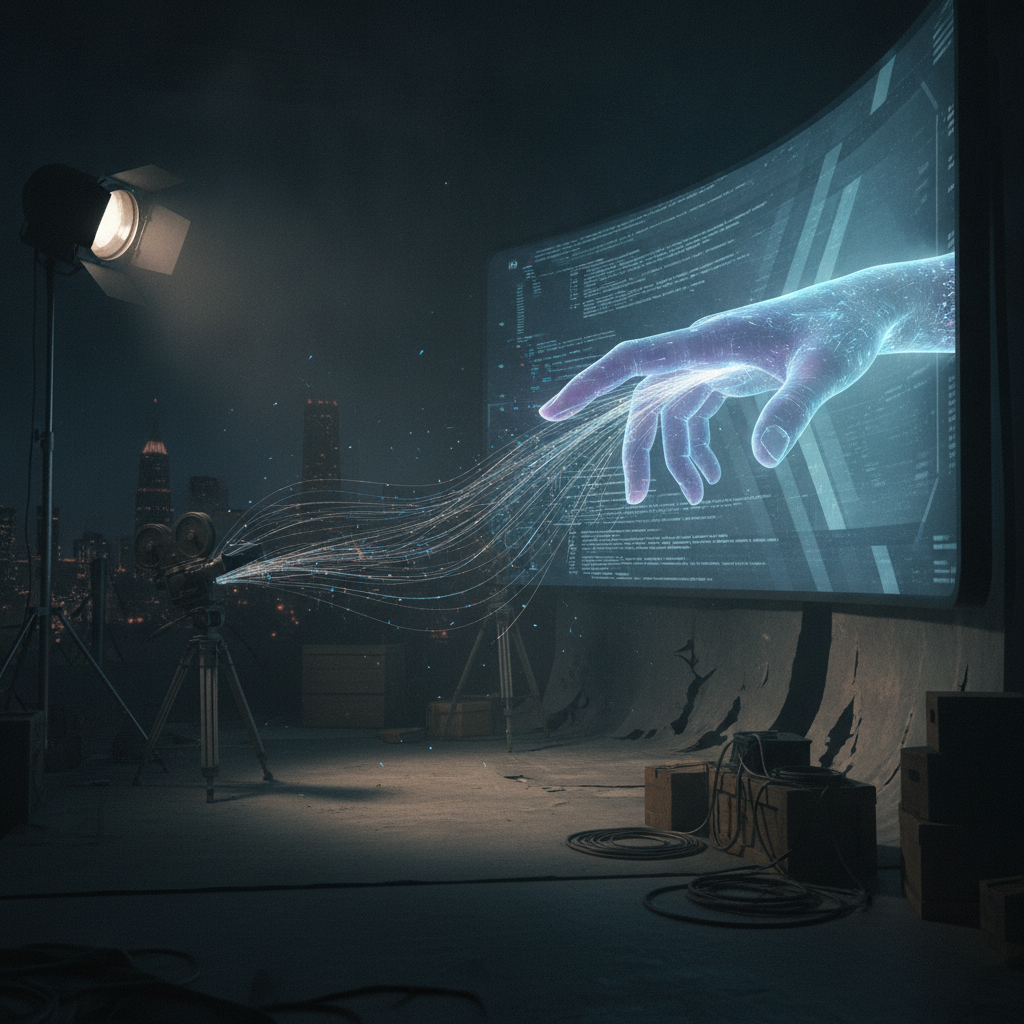
A fascinating legal battle is unfolding in Hollywood, pitting AI powerhouse Midjourney against some of the industry’s biggest names: Disney, Universal, and Warner Bros. The core of this dispute revolves around generative artificial intelligence and copyright, with Midjourney now demanding that these studios reveal how they themselves utilize AI.
This escalating conflict could set a significant precedent for the future of AI in creative industries. As Midjourney faces accusations of copyright infringement, it’s turning the spotlight back onto the very entities that are suing it, questioning their own practices in the rapidly evolving world of AI-driven content creation.
The Initial Skirmish: Copyright Claims Take Center Stage
The legal saga began last year when Disney and Universal filed lawsuits against Midjourney, alleging significant copyright infringement. They pointed to the startup’s powerful image-generation models, which could conjure up strikingly accurate likenesses of iconic, copyrighted characters, such as Bart Simpson and Darth Vader.
Warner Bros. soon followed suit, adding to the growing legal pressure on the AI company. In response, Midjourney has consistently maintained that training its advanced AI models on images of copyrighted characters falls squarely under the established legal doctrine of fair use.
Peeking Behind the Curtain: Midjourney Demands Studio AI Data
The current phase of this high-stakes dispute centers on the information studios are required to disclose during the discovery process. Initially, a judge ruled that the studios would indeed need to provide details about their generative AI usage, but with a crucial limitation: only when it led to “consumer-facing” videos and images.
Midjourney, however, is now vigorously seeking to overturn that specific restriction, arguing it’s fundamentally “unfair.” The AI startup contends that this limitation allows the studios to “cherry-pick only those documents they believe support their market harm claims,” thereby denying Midjourney crucial evidence for its defense.
In its latest filing, Midjourney pulls no punches, alleging that the studios are “withholding” documents that would expose a revealing truth. These documents, the startup claims, would precisely demonstrate whether the studios are, “behind closed doors, doing exactly what they are suing Midjourney for doing.”
For instance, Midjourney highlights a compelling example: if the studios are developing their own image-generating AI models for internal use—perhaps for storyboarding or ideating content for films and television—that evidence would be highly significant. It would, Midjourney argues, “equally demonstrate that it is an industry custom, even among the studios themselves, to download and train AI on unlicensed copyrighted content.”
A Wider Net: Prompt Data and the Studios’ Defense
Beyond demanding internal AI usage documentation, Midjourney is also pushing for another key revelation. The startup argues that the studios should disclose all the prompts they have ever used in Midjourney, along with their corresponding outputs, not just the ones that allegedly produced infringing images.
Unsurprisingly, the studios’ lead attorney, David Singer, has vehemently pushed back against these expanded discovery requests. He previously characterized Midjourney’s efforts as nothing more than a “fishing expedition,” designed to delay and distract from the core copyright claims.
Singer emphasized that the studios “do not seek to stop AI technology or even shut down Midjourney’s business.” Instead, he clarified their objective: they “simply want Midjourney to stop copying their movies and TV shows and to stop distributing, publicly displaying, publicly performing, and creating derivative works that include copies of [their] famous characters without authorization.”
What This Means for Generative AI’s Future
This ongoing legal battle is more than just a clash between a tech startup and entertainment giants; it’s a pivotal moment for the entire generative AI landscape. The outcome could significantly redefine what constitutes fair use in the age of AI, impacting how future models are trained and how creative content is produced.
Regardless of the final ruling, Midjourney’s bold move to scrutinize Hollywood’s own AI practices has undoubtedly injected a new, complex layer into the debate. It forces a critical examination of consistency and transparency in intellectual property rights as artificial intelligence continues to reshape the creative industries.
Source: TechCrunch – AI
