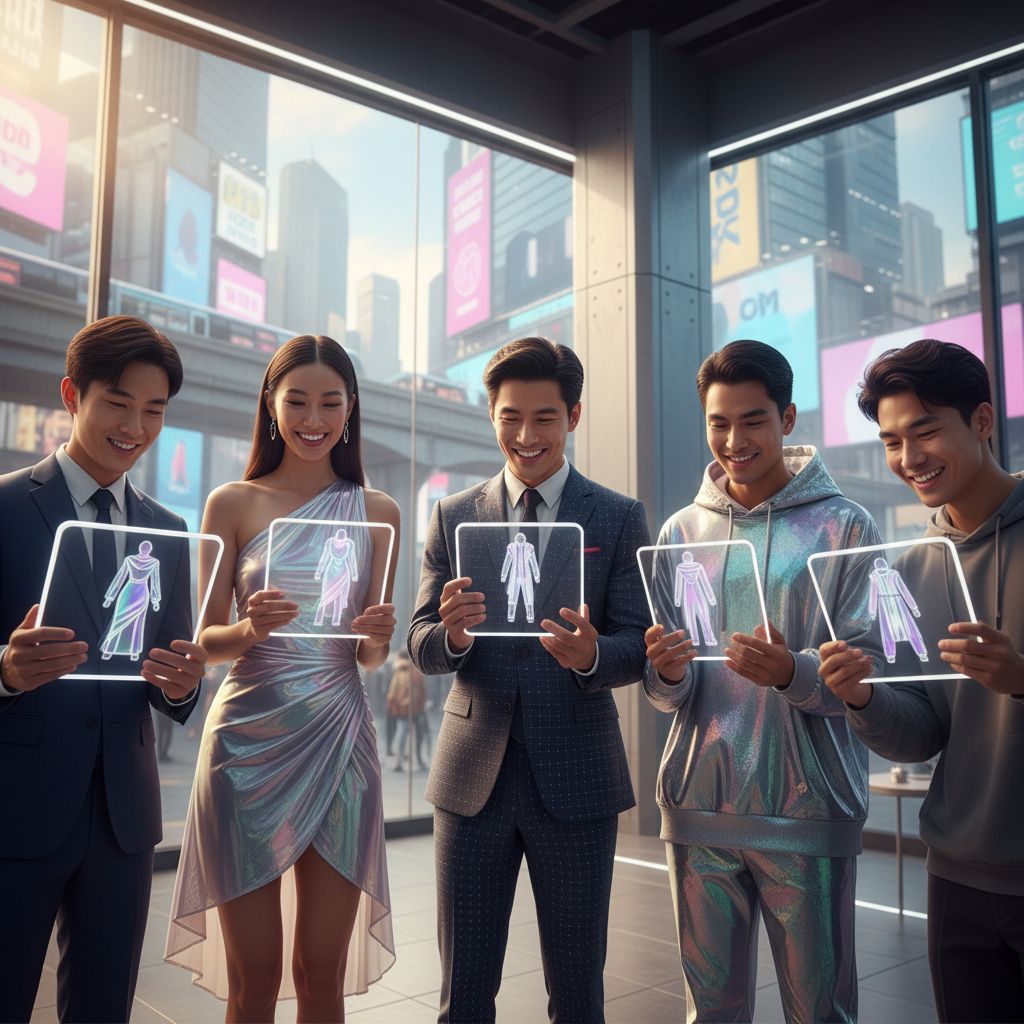
Online shopping is about to get a whole lot more immersive and confidence-inspiring for consumers across the Asia-Pacific region. Google has announced a significant expansion of its virtual try-on technology, bringing this innovative feature to key markets throughout APAC. This move is set to revolutionize how shoppers interact with products online, especially in the competitive fashion and beauty sectors.
The virtual try-on experience allows users to see how clothing, accessories, or makeup would look on them, all from the comfort of their homes. Leveraging advanced augmented reality (AR) and artificial intelligence (AI), this technology aims to bridge the gap between physical and digital retail. It’s a powerful step towards making online purchases feel more personal and less of a gamble, reducing the perennial challenge of returns due to fit or appearance.
A Game-Changer for Online Shopping in APAC
The Asia-Pacific region presents a unique and dynamic landscape for e-commerce, characterized by a rapidly growing digital-first consumer base and diverse market needs. By extending its virtual try-on capabilities here, Google is tapping into a market ripe for innovation and enhanced digital experiences. This expansion underscores the company’s commitment to empowering both shoppers and retailers in one of the world’s most vibrant economic zones.
Many consumers in APAC are accustomed to shopping primarily via mobile devices, making seamless and intuitive mobile experiences crucial. Virtual try-on directly addresses this by offering an engaging feature that works well on smartphones, without requiring specialized hardware. This accessibility ensures a broad reach, transforming browsing into a more interactive and informative journey for millions of users.
For retailers, this presents an unparalleled opportunity to stand out in a crowded digital marketplace. Offering a sophisticated virtual try-on experience can significantly differentiate a brand, attracting new customers and fostering stronger loyalty. It’s not just about showcasing products; it’s about creating a memorable and confidence-boosting shopping experience that encourages conversion.
How Virtual Try-On Works and Benefits Consumers
Google’s virtual try-on uses sophisticated algorithms to map clothing items onto a user’s chosen model or even a user’s own uploaded image, providing a realistic representation of how the garment would drape, fit, and move. For makeup, it precisely applies shades and textures to a user’s face, simulating the effect in real-time. This level of realism helps users make more informed decisions, reducing guesswork associated with online purchases.
The core benefit for shoppers is the immense boost in confidence when making a purchase. Instead of wondering if an item will suit them, they can virtually “try it on” and see for themselves. This dramatically reduces the apprehension often associated with buying fashion or beauty products sight unseen, leading to a more satisfying shopping experience.
Key benefits for consumers include:
- Increased Purchase Confidence: See how items fit and look before buying.
- Reduced Returns: Better informed decisions lead to fewer unwanted items.
- Personalized Shopping: Visualize products on models that resonate with their body type or complexion.
- Time Savings: No need to order multiple sizes or colors just to try on at home.
Empowering Retailers and Driving Engagement
For retailers, integrating Google’s virtual try-on functionality offers a competitive edge and tangible business benefits. Enhanced product visualization directly translates to increased engagement and higher conversion rates on their e-commerce platforms. When customers feel more confident about a purchase, they are more likely to complete the transaction.
Beyond sales, virtual try-on plays a crucial role in mitigating one of e-commerce’s biggest challenges: product returns. By allowing customers to virtually assess fit and style upfront, retailers can significantly reduce return rates, saving on logistics, processing costs, and environmental impact. This efficiency improvement contributes directly to a healthier bottom line and improved customer satisfaction.
Moreover, the data generated from virtual try-on interactions can provide valuable insights into consumer preferences and product performance. Retailers can learn which styles are most popular, how different body types interact with their garments, and optimize their inventory and marketing strategies accordingly. This feedback loop is invaluable for continuous improvement and staying ahead in a dynamic market.
The Future of Retail: Seamless and Immersive
Google’s expansion of virtual try-on in APAC is a clear indicator of the direction retail is heading: towards more personalized, immersive, and technology-driven experiences. This isn’t just a fleeting trend; it’s a fundamental shift in how consumers expect to interact with brands and products online. The integration of AR and AI will continue to blur the lines between physical and digital shopping.
As this technology matures, we can anticipate its application spreading beyond apparel and beauty to other categories like home furnishings, eyewear, and even automotive accessories. Imagine virtually placing a new sofa in your living room or seeing how new car rims would look on your vehicle before committing to a purchase. The possibilities are vast and exciting.
By investing in such advanced capabilities, Google is reinforcing its position as a key enabler of e-commerce innovation globally. This commitment ensures that both consumers and businesses in the APAC region will benefit from cutting-edge tools designed to make online shopping more efficient, enjoyable, and reliable. The future of retail is here, and it’s virtually irresistible.
Source: Google News – AI Search
