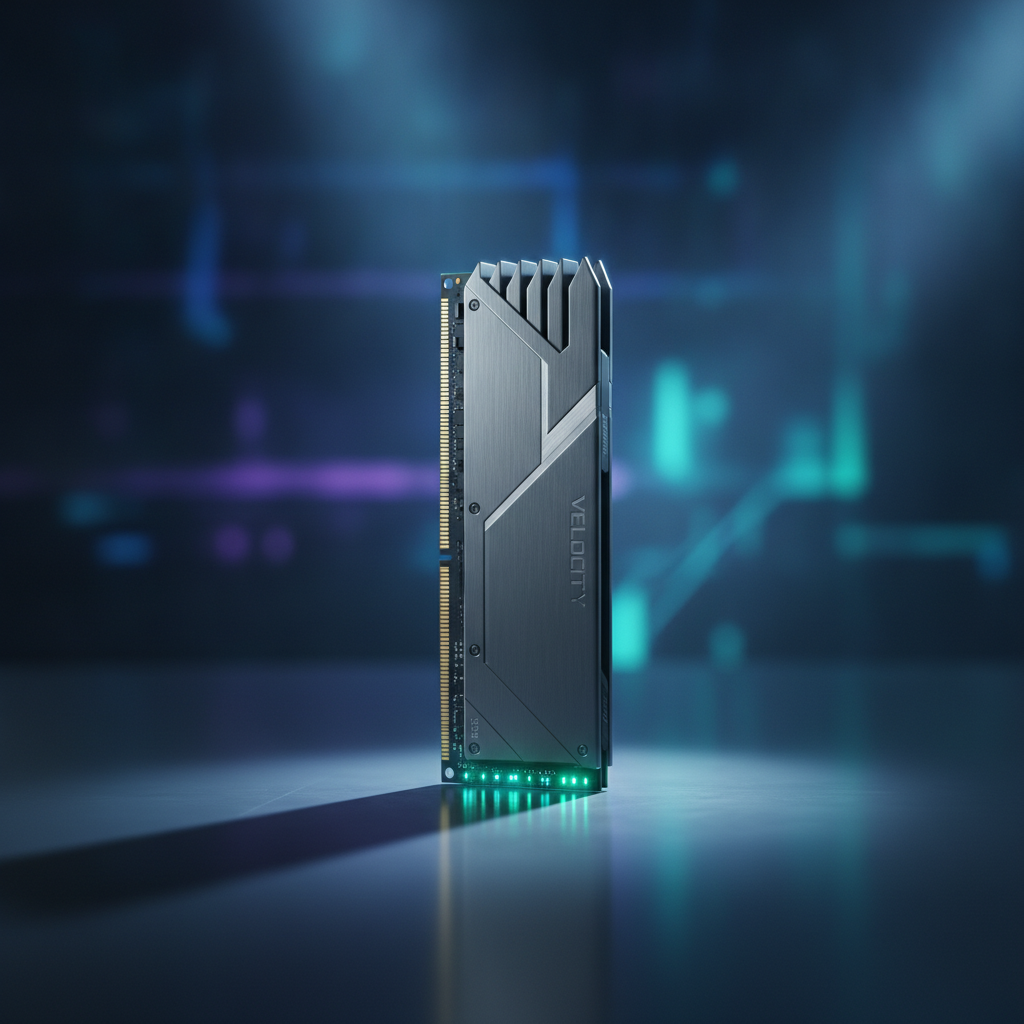
Choosing a new computer can feel like navigating a maze of confusing specifications and conflicting advice. Among the many components that make up your device, Random Access Memory – or RAM – is often discussed but frequently misunderstood. It’s a crucial part of what makes your computer feel fast and responsive, directly impacting your daily user experience.
At ZDNET, our goal is to cut through the noise, providing you with clear, knowledgeable advice based on rigorous testing and research. We pore over data from vendors, retailers, and countless user reviews to give you recommendations you can trust. Our editorial content remains independent, ensuring our guidance is always for you, our reader, and never influenced by advertisers.
Understanding RAM: Your Computer’s Short-Term Memory
Think of your computer’s RAM as its short-term memory. Instead of constantly fetching data from your slower, permanent storage drive (like an SSD), your system temporarily stores active files and applications in RAM for instant access. This significantly speeds up processes, allowing you to multitask smoothly and efficiently.
In essence, the more gigabytes (GB) of RAM your computer has, the more “short-term memory” it possesses. This translates to greater capacity for running multiple programs simultaneously, keeping dozens of browser tabs open, or handling intensive applications without a hitch. But how much do you actually need, and where does all the conflicting advice come from?
How Much RAM Do You Really Need? It Depends on Your OS
The “right” amount of RAM isn’t a one-size-fits-all answer; it largely depends on your operating system and how you use your machine. For most new consumer laptops running Windows, 16GB of RAM has become the operational minimum. While Microsoft technically states 4GB as the requirement for Windows 11, modern workloads demand far more to ensure a smooth, frustration-free experience.
If you’re using a Windows laptop for work – juggling multiple browser tabs, background apps, and perhaps even generative AI tools – 16GB provides a solid, value-driven foundation. It’s a smart choice for future-proofing your device, allowing you to comfortably tackle everyday tasks and more demanding applications without slowdowns.
When it comes to MacBooks, the landscape is a little different. Apple’s optimized ecosystem means that 8GB of RAM can often perform similarly to 16GB on a Windows machine for daily workflows. However, Apple itself has begun making 16GB the starting point for newer models like the MacBook Air M4 and M5, reflecting the increasing demands of modern software.
For those needing substantial power, MacBook Pro and Pro Max models offer configurations up to 24GB, 36GB, or even more, making them some of the most powerful (and priciest) laptops available. Then there are Chromebooks, which truly shine with less RAM. Their lightweight ChromeOS is so streamlined that 8GB, or even less, is often perfectly sufficient for browser-based work, Google Suite applications, and snappy basic performance.
Beyond the Basics: When More RAM Makes a Difference
Beyond the simple GB count, you might encounter terms like “DDR” followed by a number. This stands for “Double Data Rate,” a technology that significantly improves data transfer speeds between your RAM and other components. DDR5 is currently the latest and fastest standard, and like 16GB of memory, it has become a new baseline as users demand ever-increasing speeds.
For most general users, 16GB of RAM is perfectly adequate for everyday computing, web browsing, streaming, and light productivity. However, if you’re a serious gamer or a creative professional working with demanding software, upgrading to 32GB of RAM is highly recommended. This amount ensures smoother gameplay, faster video editing, and more efficient multitasking with virtual machines or complex design applications.
Even Microsoft suggests 32GB of RAM for gamers tackling resource-intensive or mod-heavy titles. From my own experience, running heavy workloads like gaming, photo and video editing, and virtual machines often pushes my system past 70% RAM usage, making 32GB a comfortable sweet spot for diverse demands. This allows me to confidently tackle my work and hobbies without constant concern over performance.
Anything above 32GB, such as 48GB or 64GB of RAM, is typically excessive for the average user and only justifiable for highly specialized tasks. If you’re consistently editing 8K videos, running multiple heavy applications simultaneously, or engaging in professional 3D rendering, then a top-tier machine with abundant RAM, like the Dell Premium 16 or a high-end MacBook Pro, would be a worthwhile investment.
Making the Right Choice for Your Needs
Having written about technology for nearly a decade, and having tried countless laptops in various work environments, I’ve learned that the best computer – and the right amount of RAM – is always a personal choice. While more memory generally translates to better performance, overspending on RAM you’ll never fully utilize is simply a poor return on investment.
The key is to have a clear understanding of your primary use cases. By setting realistic expectations about how you’ll use your laptop, you can confidently choose a RAM configuration that perfectly balances performance, budget, and your unique needs. Consider this advice a solid foundation to help you navigate the ever-evolving world of tech.
Source: ZDNet – AI
