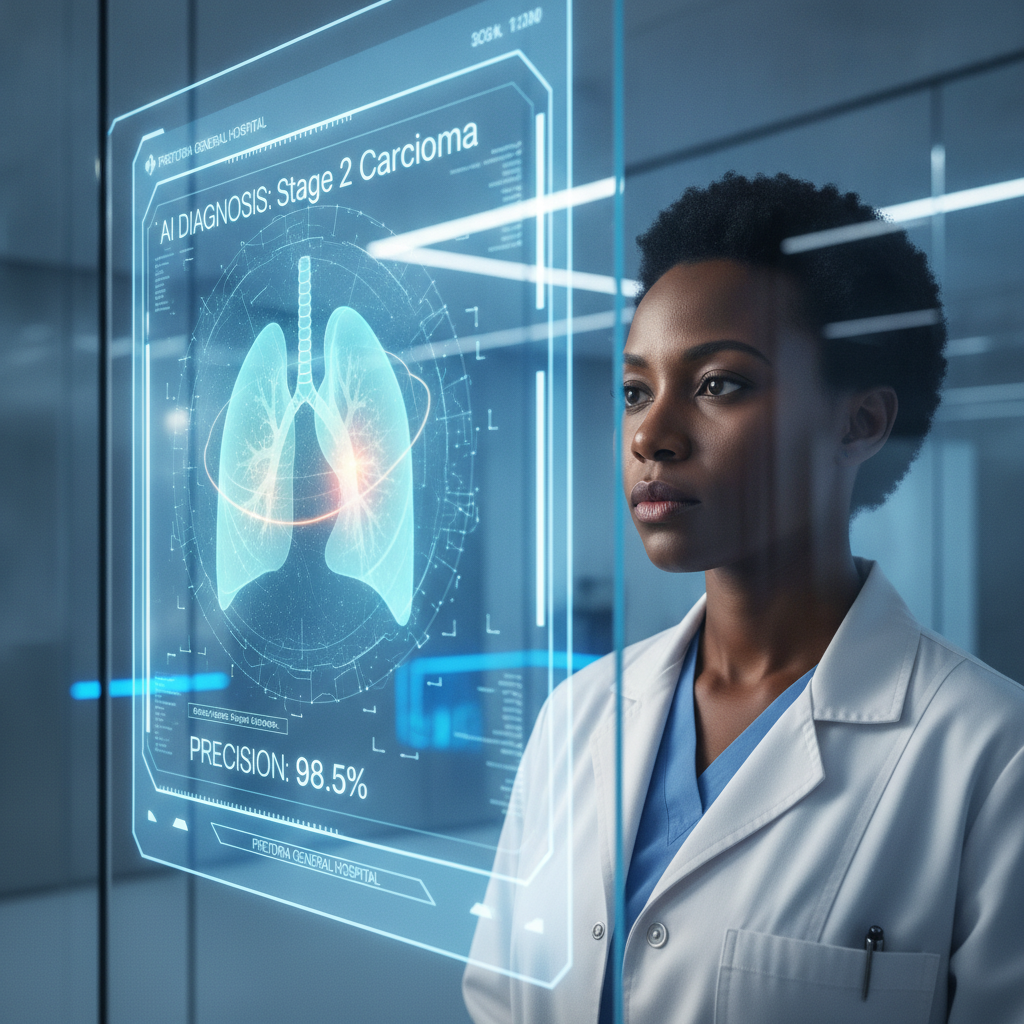
In a groundbreaking move that promises to revolutionize healthcare, a dedicated team in Pretoria, South Africa, is harnessing the formidable power of Artificial Intelligence (AI) to combat lung disease. This innovative approach is dramatically cutting down diagnostic times, identifying critical conditions in as little as 45 seconds.
This rapid diagnostic capability is not just about speed; it’s about saving lives and transforming access to healthcare in areas where medical resources are often stretched thin. By leveraging cutting-edge technology, these pioneers are bringing world-class diagnostics directly to communities that need them most.
The Urgent Need for Rapid Diagnosis
Globally, respiratory illnesses like tuberculosis (TB), pneumonia, and other lung conditions pose a significant public health challenge. The traditional diagnostic process, often relying on expert radiologists to interpret chest X-rays, can be time-consuming and prone to delays, especially in regions facing a shortage of specialists.
For patients in remote or underserved areas, waiting weeks for a diagnosis is not uncommon, significantly hindering timely treatment. This delay can lead to more severe disease progression, increased suffering, and a higher risk of transmission, particularly for infectious diseases like TB.
The consequences of late diagnosis are profound, impacting individual health, community well-being, and public health systems. Bridging this gap in diagnostic capability is crucial for achieving better health outcomes and building more resilient healthcare infrastructures.
How AI is Revolutionizing Lung Disease Detection
The Pretoria team’s solution centers on an advanced AI model trained to meticulously analyze chest X-ray images. This AI system can quickly identify subtle patterns and indicators of various lung diseases that might be missed by the human eye or require extensive review time.
Once an X-ray image is fed into the system, the AI goes to work, processing the data and highlighting potential abnormalities within seconds. This incredible speed of analysis allows medical professionals to receive actionable insights almost instantly, drastically reducing the waiting period for patients.
This technology acts as a powerful assistive tool for doctors, enabling them to make faster, more informed decisions. It not only expedites the diagnostic process but also helps in triaging cases, ensuring that patients with critical conditions receive immediate attention.
Key benefits of this AI-powered diagnostic system include:
- Unprecedented Speed: Diagnoses delivered in as little as 45 seconds.
- Increased Accuracy: AI models can detect subtle signs of disease often missed by human interpretation alone.
- Enhanced Accessibility: Bringing advanced diagnostic capabilities to clinics without resident radiologists.
- Reduced Workload: Freeing up human experts to focus on complex cases and patient care.
- Cost-Effectiveness: Potentially lowering the overall cost of diagnostic services over time.
Real-World Impact and Future Horizons
The impact of this AI initiative extends far beyond just quick diagnoses. For communities in South Africa, where diseases like TB remain prevalent, early detection means a dramatically improved chance of successful treatment and preventing further outbreaks.
Patients who once faced long, anxious waits for results can now receive a diagnosis on the same day, allowing for immediate commencement of medication. This rapid intervention is critical in slowing disease progression and improving patient prognosis significantly.
The team is not stopping there; their vision includes scaling this technology to reach even more remote clinics and hospitals across the continent. This ambitious goal aims to democratize access to high-quality diagnostics, ensuring that geographical location no longer dictates healthcare outcomes.
This pioneering work in Pretoria serves as a powerful testament to the transformative potential of AI in medicine. It underscores how thoughtful application of technology, combined with dedicated human ingenuity, can overcome long-standing healthcare challenges and build a healthier future for all.
Source: Google News – AI Search
