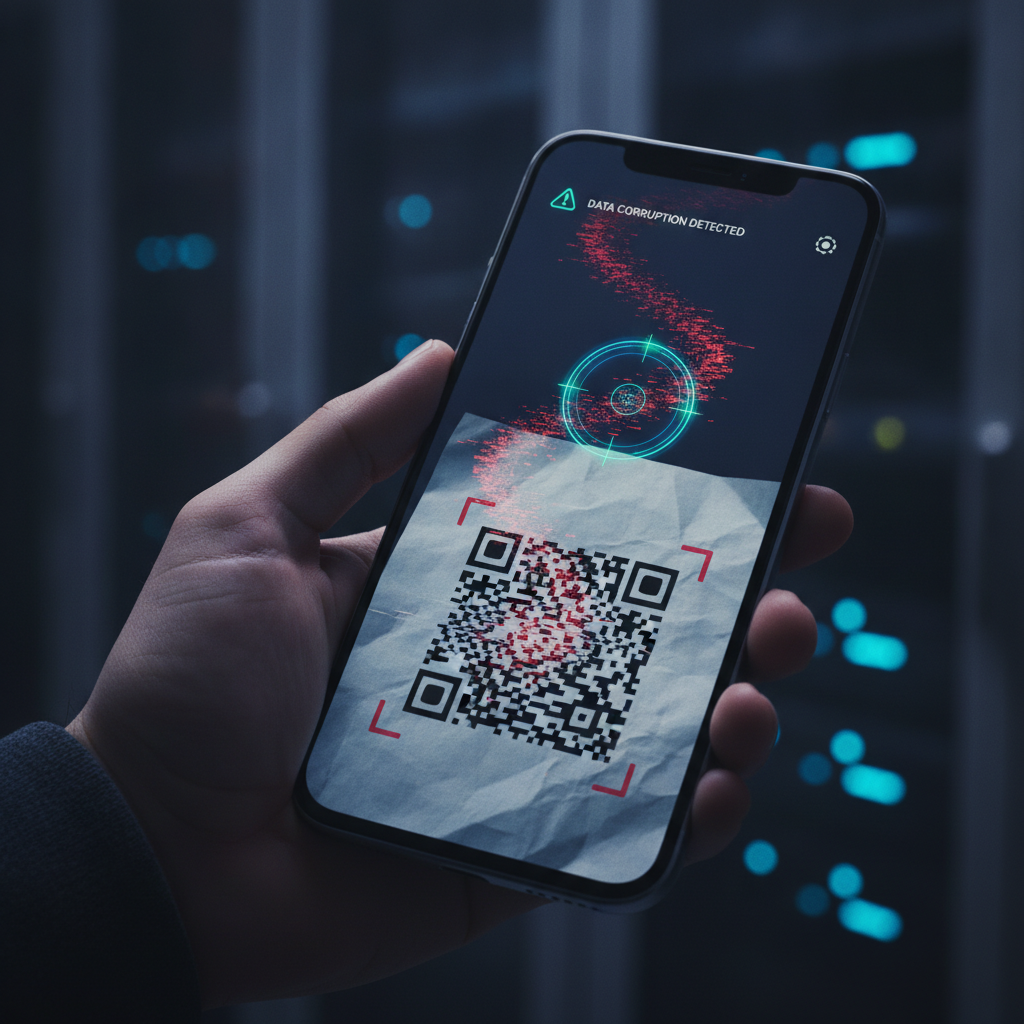
Have you ever encountered a QR code in your inbox, feeling that familiar tug of curiosity? While we’re all too familiar with classic email phishing scams – promises of inheritances, urgent account warnings, or fake lottery wins – cybercriminals are constantly evolving their tactics. Today, a new, insidious threat is emerging that weaponizes QR codes, designed to bypass sophisticated security measures and compromise your digital life.
This modern menace, known as quishing, is essentially phishing delivered via QR codes. By embedding malicious links within these scannable images, attackers can cleverly circumvent traditional email filters and security systems. The goal remains the same: to create a sense of urgency, appeal to your greed, or instill fear, tricking you into scanning the code and clicking a compromised link.
What Exactly is Quishing?
A QR code phishing scheme can manifest in various deceptive ways. You might receive a convincing but fake message from your bank, an email congratulating you on a lottery you never entered, or an urgent alert from a social media provider. Once you scan the code and click the embedded link, you could be redirected to a cloned website specifically designed to steal your sensitive data or hijack your accounts.
What makes quishing particularly dangerous is its ability to bypass crucial security layers, including multi-factor authentication (MFA). This sophisticated technique often pairs with Adversary-in-the-Middle (AITM) attacks, creating a seamless trap for unsuspecting victims. Because QR codes conceal their destination, verifying the link before scanning becomes incredibly difficult for the average user.
The Alarming Rise of QR Code Scams
Statistics clearly show that quishing isn’t just a niche threat; it’s a rapidly growing concern. According to Hoxhunt’s 2026 Phishing Trends Report, while basic email-based QR code phishing might be on the decline, these attacks are now increasingly hidden within scam email attachments, particularly in malicious PDFs. This shift indicates a more advanced and stealthy approach by cybercriminals.
Overall, QR code phishing attacks saw a significant 25% increase year-over-year. Furthermore, these threats aren’t confined to digital spaces; reports confirm QR codes have been spotted in physical locations, embedded in posters, or even emblazoned on fake business cards. Google’s Trust & Safety team has also issued warnings, noting that traditional email attack vectors are being supplanted by AITM and quishing attacks.
Microsoft’s Defender team has likewise observed a dramatic surge in QR code-based cybercriminal campaigns. They report a jump from just 10% to a staggering 30% of total phishing campaigns in recent months, underscoring the severity and widespread adoption of this tactic. This trend highlights a critical shift in how malicious actors are targeting individuals and organizations alike.
Here’s how this potent combination of quishing and AITM typically unfolds: you receive a deceptive quishing email, and curiosity leads you to scan the embedded QR code. You are then sent to a meticulously cloned website that perfectly mimics a trusted service, such as your bank, a financial provider, or even your workplace’s login portal. Unaware of the deception, you input your credentials.
At this point, the attacker captures your password and session token, effectively bypassing any existing multi-factor authentication protections you might have in place. They gain unauthorized access, leading directly to data theft, account compromise, and a host of other potential damages. What makes this tactic especially dangerous for businesses is that victims often use their personal handsets, bypassing network-based security and corporate safety nets.
How to Spot and Avoid Quishing Traps
Given that QR codes inherently mask their destination, making it impossible to verify their content or origin visually, blind scanning is a serious gamble. It’s crucial to approach any unexpected QR code with the same level of suspicion you’d apply to suspicious email links or attachments. The delivery method might be different, but the underlying scam remains the same: to trick you into clicking a malicious resource.
Your best defense against quishing is unwavering caution and independent verification. If you receive an email containing a QR code that purports to be from your bank, resist the urge to scan it directly. Instead, open a new browser tab and navigate to your bank’s official website, or simply open their mobile app directly.
Never click links, open attachments, or scan QR codes unless you are absolutely certain of the source’s legitimacy and the message’s safety. Remember, this threat isn’t limited to your inbox; keep an eye out for suspicious QR code stickers on lampposts, public notices, or even fake business cards. These physical codes can also harbor serious threats to your privacy and security.
In an era where cyber threats are constantly evolving, staying informed and vigilant is paramount. By understanding the mechanics of quishing and adopting a healthy dose of skepticism, you can significantly reduce your risk of falling victim. Always pause, verify, and prioritize your digital safety above all else.
Source: ZDNet – AI
